
Just so you know – some links on this page are affiliate links. If you click and buy something, I may earn a small commission (think coffee money, not a luxury vacation) at no extra cost to you. I only share things I genuinely like and believe are worth it. Thanks for supporting this little corner of the internet – it really helps keep everything running.
Something shifts when you first begin to name what happened to you. Not dramatically — more like a quiet settling, the way a room feels different when you finally open a window that’s been painted shut for years. That shift can be disorienting, even painful, but it is also the beginning of something real.
Growing up in a home where love felt conditional, unpredictable, or absent leaves marks that don’t show on the surface. They show up later — in how you respond to conflict, how you talk to yourself, how much space you allow yourself to take up in the world. These patterns make sense when you understand where they came from.
It takes a particular kind of courage to look honestly at your own childhood. Most people find it easier to minimize, to make excuses, or to simply move on without ever looking back. But unexamined pain tends to find its way into every room you walk into, every relationship you build.
Acknowledging that your parents caused harm does not mean you have to hate them. It does not mean you are rewriting history or being ungrateful for whatever they did provide. It means you are being honest — with yourself first, and then slowly with the world around you.
Healing from a difficult upbringing is not a straight line. It doubles back on itself, sometimes returns you to places you thought you’d already left behind. That is not failure — it is just the nature of deep, honest work. The people who stick with it are not the ones who never struggle; they are the ones who keep going anyway.
Wherever you are in that process — just beginning to ask questions, years into rebuilding, or somewhere in the complicated middle — this is a space for reflection. Take what resonates and leave what doesn’t. You are the only one who truly knows your story.
Recognizing the Damage
One of the hardest parts of coming to terms with a toxic upbringing is that the damage is rarely obvious from the inside. When you grow up inside a particular dynamic, it becomes your baseline — the thing you measure everything else against. What felt normal to you as a child may take years to recognize as harmful.
Recognition is not about assigning blame for its own sake. It is about understanding cause and effect — seeing clearly how certain experiences shaped the beliefs you carry about yourself, about love, and about what you deserve. That clarity, uncomfortable as it is, is where real change becomes possible.
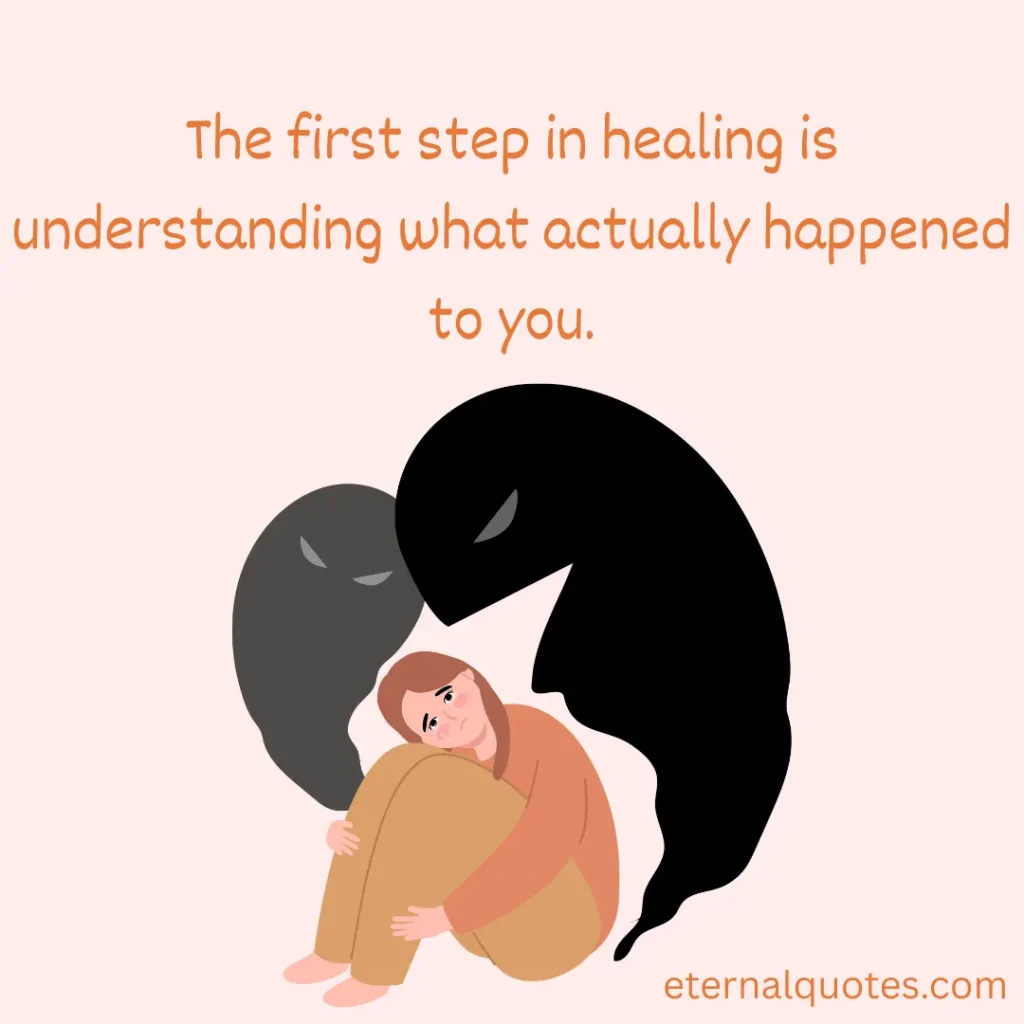
Your childhood trauma doesn’t become invalid just because your parents had good intentions.
A parent’s love should never come with conditions that require you to shrink yourself.
Being told you’re too sensitive was often just code for don’t react to our mistreatment.
The silent treatment isn’t discipline – it’s emotional abandonment disguised as parenting.
Toxic parents will gaslight you into believing their version of your childhood was the only truth.
When a parent makes their child responsible for their emotions, the roles have been reversed.
Your need for validation as a child wasn’t neediness – it was a basic human requirement.
Good parents don’t keep score of everything they’ve done for their children.
The phrase because I said so teaches obedience, not critical thinking or respect.
A parent who can’t apologize is teaching their child that admitting mistakes is weakness.
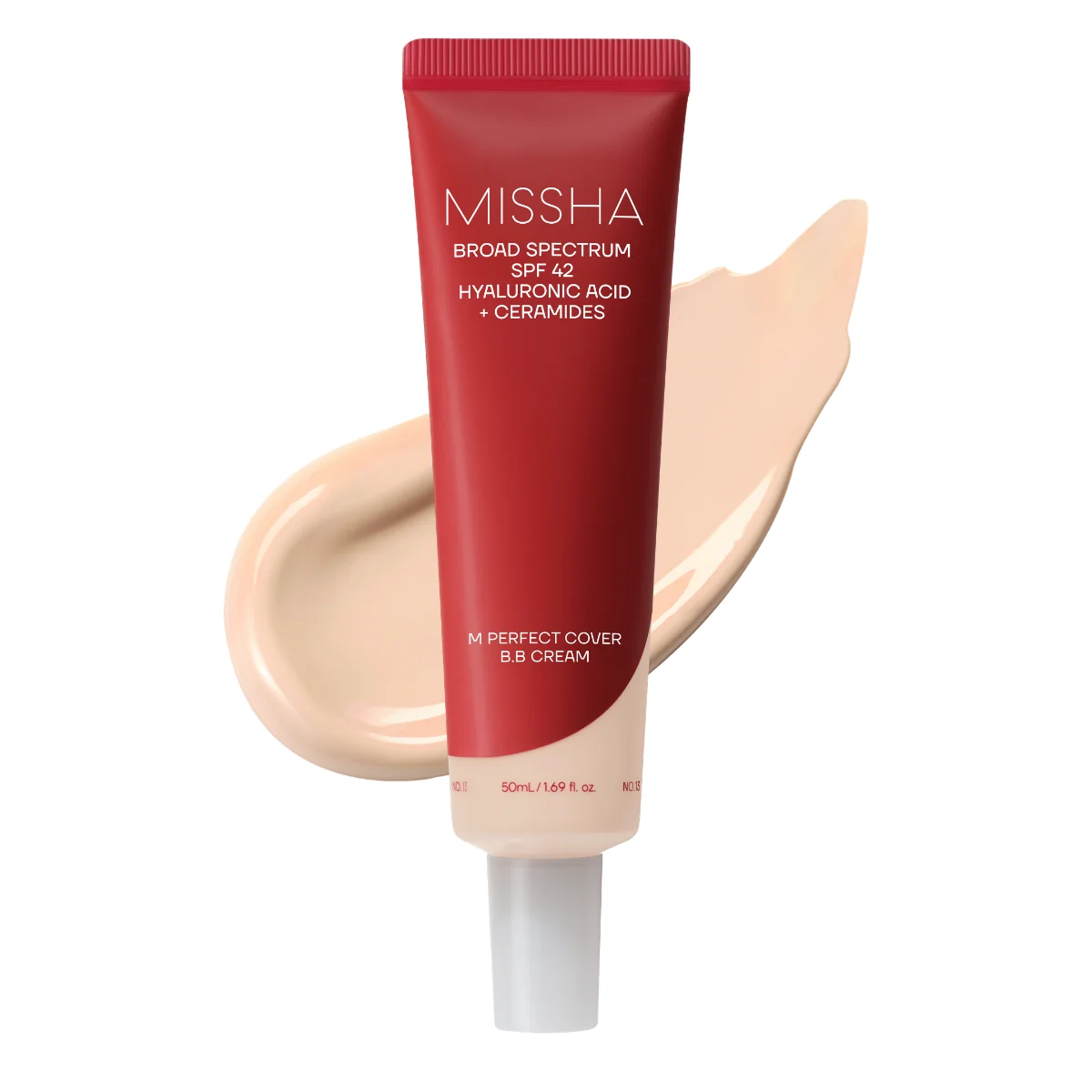
K-Beauty Favorite: MISSHA BB Cream
Lightweight coverage with SPF 42, hyaluronic acid & ceramides — backed by 3,000+ reviews.
View BB CreamBreaking Free from Control
Control in family systems rarely announces itself directly. It tends to wear the language of love, of concern, of sacrifice — making it genuinely difficult to identify, especially when you are still living inside it. Only with distance, whether physical or emotional, does the full shape of it become visible.
Choosing to step back from controlling dynamics is not an act of cruelty. It is an act of self-respect — one that often comes at a real cost, including grief, guilt, and the loss of relationships that were never quite what they appeared to be. That cost is worth acknowledging honestly.
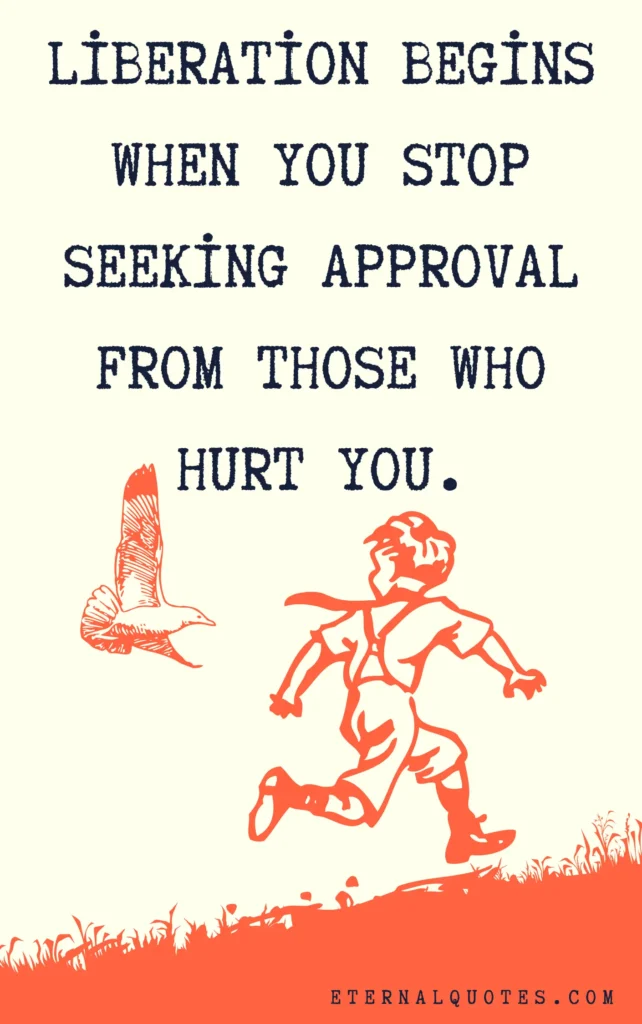
You don’t owe anyone your mental health, not even the people who raised you.
Breaking free from toxic parents means grieving the parents you needed but never had.
Your worth isn’t determined by how well you performed in their impossible standards.
Distance from toxic family isn’t punishment – it’s self-preservation.
You can love someone from afar while protecting yourself from their harmful behavior.
Saying no to family dysfunction doesn’t make you the villain in their story.
The hardest part of healing is accepting that some people will never change.
You’re not responsible for managing other people’s emotions, including your parents.
Setting boundaries with toxic parents often reveals just how controlling they really were.
Your healing journey isn’t about revenge – it’s about reclaiming your life.
The Healing Journey
Healing does not happen all at once, and it rarely follows the timeline you imagine for it. It tends to move in waves — periods of real progress followed by unexpected setbacks that can feel like starting over, though you never actually are. Each time you return to a difficult place, you bring more understanding with you than you had before.
The work of healing from a difficult childhood is deeply personal, and no two paths through it look the same. What matters is not how quickly you move through it or how cleanly, but that you keep choosing yourself — your honesty, your wellbeing, your growth — even on the days when that feels almost impossible.
You’re not broken; you’re someone who survived a difficult beginning.
Therapy isn’t about blaming your parents – it’s about understanding your patterns.
Some days you’ll feel strong, others you’ll feel like that scared child again.
Learning to parent yourself is one of the most important skills you’ll ever develop.
Your inner child deserves the love and protection you never received.
Healing means learning to trust your own perceptions after years of being told they were wrong.
The goal isn’t to forget your past but to stop letting it control your future.
You’re allowed to be angry about what happened to you – anger can be a catalyst for change.
Recovery means learning that love doesn’t have to hurt to be real.
Your trauma responses kept you safe; now you get to choose healthier coping mechanisms.
Emotional Manipulation Tactics
Emotional manipulation within families is often subtle enough that the person experiencing it spends years doubting their own read of things. It tends to be woven into ordinary moments — a comment here, a look there, a silence that communicates something no one will say out loud. That subtlety is part of what makes it so difficult to name.
Understanding the specific tactics that were used against you is not about cataloguing grievances. It is about clarity — about being able to recognize the same patterns if they appear again, in other relationships, in other forms. That recognition is one of the most practical tools healing gives you.
Triangulation – using siblings or others to communicate – is a tool of control.
Guilt trips are emotional weapons disguised as concern.
When parents play victim about their own parenting, they’re avoiding accountability.
Conditional love teaches children that their worth depends on their performance.
Comparison to other children is a form of psychological abuse.
Using your vulnerabilities against you isn’t tough love – it’s betrayal.
Parents who share too much about their problems are using their children as therapists.
The phrase you’re just like your father/mother is often meant to wound, not inform.
Withholding affection as punishment teaches children that love must be earned.
Making everything about them is a sign of narcissistic parenting.
The Cost of Toxic Parenting
The effects of toxic parenting do not stay neatly inside childhood. They travel with you — into your friendships, your romantic relationships, your career, your sense of what you are allowed to want. They show up in the way you apologize, in the way you flinch, in the quiet voice that tells you not to ask for too much.
Naming these effects honestly is not self-pity — it is accuracy. Understanding how you were shaped by your environment is what allows you to begin making deliberate choices about who you want to become, rather than simply repeating what was modeled for you without ever knowing why.
Growing up walking on eggshells creates adults who are hyper-vigilant to others’ moods.
When parents don’t regulate their emotions, children learn to regulate them instead.
Toxic parenting creates people pleasers who have lost touch with their own needs.
Children who raise themselves often struggle with self-worth as adults.
Being parentified as a child steals your childhood and burdens your adulthood.
Growing up with inconsistent parents creates adults who struggle with trust.
When parents are emotionally unavailable, children learn to be invisible.
Toxic parents raise children who apologize for existing.
The fear of abandonment often stems from parents who threatened to leave.
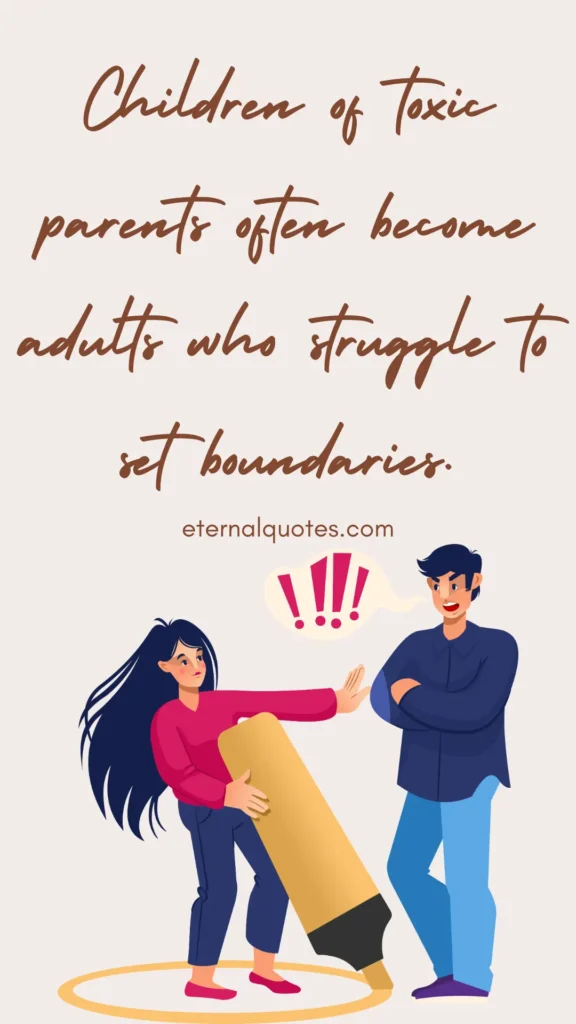
Children of toxic parents often become adults who accept less than they deserve.
Strength in Survival
Surviving a difficult childhood requires a kind of resourcefulness that people raised in stable homes rarely have to develop. You learned to read rooms quickly, to manage other people’s moods, to adapt to unpredictability — skills that came at a cost but that also reflect a genuine resilience most people never have to find in themselves.
Recognizing that strength is not about minimizing what you went through. It is about seeing yourself clearly — as someone who endured something genuinely hard and kept going, not because it was easy, but because some part of you refused to stop. That refusal matters and deserves to be acknowledged.
You developed survival skills that most people never needed to learn.
Your ability to read people and situations is a superpower born from necessity.
The fact that you’re questioning your upbringing shows incredible self-awareness.
You’re not a victim – you’re a survivor who’s choosing to thrive.
Your compassion for others often comes from your own experience of pain.
Breaking generational patterns takes immense courage and strength.
You survived 100% of your worst days – that’s an incredible track record.
Your sensitivity isn’t a weakness; it’s what helped you survive an insensitive environment.
The inner strength you developed is something toxic parents could never take away.
You’re living proof that toxic parents don’t have to define your future.
Reparenting Yourself
Reparenting is one of those concepts that can sound abstract until you actually begin practicing it. At its core, it means learning to give yourself what you needed as a child and did not receive — steadiness, compassion, patience, the sense that your needs are legitimate and worth attending to. It is unglamorous work, done mostly in private, mostly in small moments.
The voice you carry inside your head was largely formed by the voices around you when you were young. That means it can be changed — not overnight, and not without effort, but genuinely changed. Learning to speak to yourself with the same kindness you would offer a friend is not a small thing. For many people, it is the most transformative practice of their adult lives.
You get to choose what kind of parent you are to your inner child.
Reparenting means giving yourself the comfort you never received.
Self-compassion isn’t selfish – it’s essential for healing.
You can’t heal what you don’t acknowledge, and you can’t change what you don’t face.
The voice in your head doesn’t have to sound like your critical parent.
Learning to celebrate your wins is part of becoming your own cheerleader.
You deserve the same patience you would give to a friend going through hard times.
Reparenting means teaching yourself that mistakes are human, not catastrophic.
Your needs matter, and meeting them isn’t selfish or demanding.
You’re allowed to put yourself first – it’s not selfish, it’s necessary.
Building Healthy Relationships
When your earliest experiences of love were chaotic or conditional, healthy relationships can feel disorienting — even suspicious. Calm, consistent affection may feel boring compared to the intensity you grew up with. This is not a personal failing; it is a predictable result of learning love in an unpredictable environment.
Learning what healthy connection actually looks and feels like takes time and often requires deliberate attention. It means sitting with discomfort when someone is simply kind to you, resisting the urge to test or push away, and gradually allowing yourself to trust what is actually trustworthy. That process is slow, but it is real.
You might mistake intensity for intimacy because that’s what felt familiar.
Learning to receive love without strings attached is a skill toxic parents never taught.
Healthy people don’t punish you for having boundaries.
You deserve relationships where you don’t have to perform to be loved.
Trust is built slowly with consistent actions, not grand gestures.
In healthy relationships, conflict leads to resolution, not punishment.
You don’t have to earn love by being perfect or useful.
Healthy people celebrate your success instead of competing with you.
You’re allowed to expect respect and kindness in your relationships.
Real love doesn’t require you to sacrifice your mental health.
Breaking the Cycle
Generational patterns do not break themselves. They require someone to stop, look clearly at what has been passed down, and make a conscious choice not to keep passing it on. That person is rarely celebrated in the moment — the work is largely invisible and the results take years to see — but it is among the most meaningful things a person can do.
Breaking a cycle does not require perfection. It requires honesty — with yourself about where you came from, and with your children about who you are trying to become. The willingness to repair when you get it wrong is itself part of what makes the difference between the parent you had and the parent you are choosing to be.
Awareness is the first step in choosing differently for your own children.
Breaking cycles means feeling the pain so your children don’t have to.
You can be the ancestor your descendants will thank.
Choosing healing over repeating patterns is an act of love for future generations.
Your children deserve better than what you received, and you deserve to give it.
The cycle breaks with you when you refuse to pass on what was passed to you.
Healing your own childhood wounds prevents them from becoming your children’s inheritance.
You don’t have to be perfect to be better than what you experienced.
Teaching your children emotional intelligence is revolutionary when you weren’t taught it.
Every time you choose love over fear, you’re breaking the cycle.
Finding Peace and Moving Forward
Peace after a difficult upbringing is not the absence of pain — it is the ability to hold that pain without being controlled by it. It comes in quietly, usually not all at once, in moments when you notice that you reacted differently than you once would have, or that you let yourself be loved without immediately bracing for it to be taken away.
Moving forward is not about reaching a place where the past no longer exists. It is about developing a different relationship with it — one where your history informs you without defining you, where you can look back with understanding rather than only with grief or anger. That kind of peace is genuinely available, even if the road to it is long.
You can forgive for your own peace while still maintaining necessary boundaries.
Moving forward doesn’t mean forgetting – it means not letting the past control your present.
Your story includes pain, but it doesn’t end there.
Healing is possible, hope is real, and you are worthy of both.
The family you choose can be more loving than the one you were born into.
Your past doesn’t define you, but how you heal from it does.
You’re not responsible for fixing anyone else’s brokenness.
The best revenge against toxic parents is living a healthy, happy life.
Your journey of healing is a gift to yourself and everyone who loves you.
You are not doomed to repeat what you experienced – you have the power to choose differently.
You Are More Than What Was Done to You
Healing from toxic parenting is not something you accomplish and then put away. It is something you practice, return to, and deepen over time. There will be seasons when it feels far away, and seasons when it quietly arrives in moments you were not expecting — a conversation where you held your ground, a relationship where you finally felt safe, a morning when you woke up and the old voice was just a little quieter than before.
The pain of your upbringing was real. It shaped you in ways both visible and invisible, some of which you are still discovering. But it did not determine your ending — only your beginning. And beginnings, however hard, are not the whole story.
One of the quieter gifts that comes from doing this work is a kind of compassion that people who have never had to examine themselves this deeply rarely develop. When you understand your own wounds with honesty, you tend to hold other people’s wounds with more patience. That is not a small thing to carry into the world.
You do not have to have it all resolved to deserve good things. You do not have to be fully healed to be worthy of love, of rest, of relationships that feel safe. Worthiness is not something you earn at the end of the process — it was always yours, even when no one reflected that back to you.
Whatever brought you to this kind of reflection — a conversation, a difficult season, years of quiet wondering — it matters that you are here. The willingness to look honestly at your own story, without either excusing what happened or being consumed by it, is itself a form of courage most people never find.
Take care of yourself with the same seriousness that you would offer someone you love. Move at your own pace. Ask for help when you need it, and allow yourself to receive it when it comes. The life you are building now, on the other side of what you survived, is yours — genuinely, fully yours.