Just so you know – some links on this page are affiliate links. If you click and buy something, I may earn a small commission (think coffee money, not a luxury vacation) at no extra cost to you. I only share things I genuinely like and believe are worth it. Thanks for supporting this little corner of the internet – it really helps keep everything running.
Growing up is one of those processes that happens whether you invite it or not. It moves at its own pace, indifferent to your readiness, reshaping the way you see yourself and the world around you in ways you rarely notice until much later. You look back at a version of yourself from five years ago and barely recognize the fears that once felt enormous, the certainties that crumbled quietly, the things you thought you needed that you’ve since released.
Part of what makes growing up so disorienting is that it rarely announces itself. Most of the real shifts happen in ordinary moments — a conversation with a parent that suddenly lands differently, a disappointment that doesn’t break you the way it once would have, a choice you make without needing anyone’s approval. These small interior changes accumulate over time into something that, from the outside, might look like wisdom.
We spend so much of our early lives looking forward, waiting to arrive somewhere. Somewhere stable, somewhere certain, somewhere adult. But somewhere along the way most people quietly come to realize that the arrival keeps moving. The people who seem most at peace are not the ones who have figured everything out — they’re the ones who stopped expecting to.
Growing up also involves a gradual softening toward yourself. The inner voice that once catalogued every failure and embarrassment starts to lose some of its authority. You begin to understand that being human means carrying contradiction — being both capable and lost, confident and afraid, loving and selfish — without those contradictions cancelling each other out. You learn, slowly, to hold them all.
Relationships change in texture as you grow. You become more selective, not out of coldness, but because you’ve learned what real connection actually costs and what it gives back. You stop performing for people who were never really watching. You start to value the quiet, dependable presences over the loud, exciting ones that tend to disappear when things get hard.
None of this follows a straight line. You’ll have stretches where you feel like you’ve genuinely grown, followed by moments of startling regression — the same old pattern, the same flinch, the same instinct you thought you’d outgrown. That’s not failure. That’s the actual texture of the process. Growing up isn’t something you complete. It’s something you keep doing, imperfectly and without a map, for as long as you’re alive.
Childhood’s End
Childhood doesn’t end on a particular birthday. It fades in stages — first the belief in certain kinds of magic, then the assumption that adults have things under control, then finally the comfortable illusion that the world was built with you in mind. What replaces it isn’t cynicism, at least not for the lucky ones. It’s something quieter and more durable: a clearer-eyed appreciation for what’s actually in front of you.
Looking back at childhood from the vantage point of even a few more years, most people feel a mixture of tenderness and distance. The world felt so large and so legible then — full of rules that seemed permanent, feelings that seemed final, people who seemed infallible. Learning that none of those things were quite true is what growing up mostly consists of.
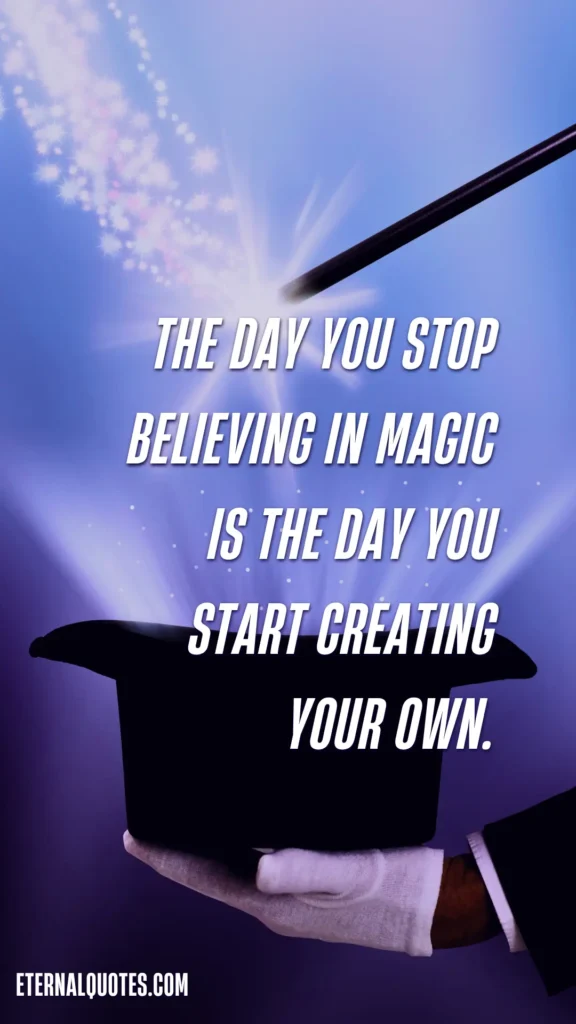
Growing up means trading wonder for understanding, but the best adults never stop asking why.
Childhood ends not when you blow out more candles, but when you realize the cake was store-bought.
The hardest part of growing up is learning that your heroes have flaws too.
You know you’re growing up when bedtime becomes a privilege instead of a punishment.
Maturity is realizing that not every door needs to be slammed to make a point.
The toys may change, but the need to play never truly disappears.
Growing up is the slow realization that nobody has all the answers, not even the adults.
You stop being a child the moment you understand that fairness is a luxury, not a guarantee.
The most painful part of growing up is watching your parents become human.
Adulthood is childhood with bills and the sudden urge to go to bed early.
Looking for Good K-Beauty?
MISSHA has a huge range of Korean skincare and makeup, including some seriously popular bestsellers.
Learning from Mistakes
Mistakes have a way of teaching things that success simply can’t. When something goes right, you tend to move on quickly, carrying only the good feeling with you. When something goes wrong, you’re forced to stay with it — to turn it over, to understand what happened, to sit with the discomfort of having been wrong or careless or afraid. That sitting is where most of the real learning happens.
One of the more useful shifts that comes with growing up is developing a less catastrophic relationship with your own failures. Early on, a mistake can feel like a verdict on who you are. Over time, with enough of them behind you, they start to look more like data — useful information about what to do differently next time, and evidence that you’re actually engaging with your life rather than playing it safe.

The best lessons come wrapped in our worst mistakes.
Growing up means learning that sorry isn’t always enough, but it’s always necessary.
Maturity is owning your mistakes before anyone else points them out.
Every wrong turn teaches you something about the right direction.
You’re truly growing when you can laugh at the person you used to be without cringing.
The biggest mistake is thinking you’re too old to make them.
Failure isn’t the opposite of success; it’s the rough draft of it.
Growing up is realizing that your mistakes don’t define you, but how you handle them does.
The most important apology you’ll ever make is the one you give to yourself.
Wisdom comes from surviving your own bad decisions and helping others avoid theirs.
Finding Your Identity
For much of early life, identity feels like something you’re supposed to locate — as if the real you is hidden somewhere, waiting to be uncovered. But most people eventually realize it doesn’t quite work that way. Who you are emerges from the accumulation of choices, relationships, and experiences over time, shaped as much by what you walk away from as what you choose to pursue.
The pressure to have yourself figured out is one of the more exhausting aspects of growing up. People ask what you want to be, what you believe, where you’re headed — often before you have any honest answers. Learning to sit comfortably with the uncertainty of who you’re becoming, without pretending to a certainty you don’t yet have, is itself a significant part of the work.

Growing up is the journey from asking who am I to declaring this is who I am.
The person you’re meant to be is hiding underneath the person you think you should be.
Authenticity isn’t about being perfect; it’s about being honest about your imperfections.
You find yourself not by looking in the mirror, but by looking at what you do when no one’s watching.
Growing up means learning that being different isn’t a flaw to fix but a gift to celebrate.
The bravest thing you can do is be yourself in a world that’s constantly trying to change you.
Your identity isn’t something you discover; it’s something you create, one choice at a time.
Maturity is realizing that you don’t need everyone to understand you, just the right people.
The most important relationship you’ll ever have is the one with yourself.
Growing up is learning to love the person you are while working on the person you want to become.
Embracing Change
Change has a way of arriving uninvited and rearranging everything before you’ve had time to prepare. Some of it you choose — a new city, a different path, the end of something that was no longer working. But much of it simply happens, and the only real question is what you do with it afterward. The instinct to resist is understandable, but it tends to cost more than the change itself.
Over time, most people develop a more workable relationship with uncertainty. Not comfort, exactly — change rarely feels comfortable in the middle of it — but a grudging trust that things can settle into new shapes that are livable, sometimes even better than what came before. That trust doesn’t come cheaply. It’s usually earned through surviving changes you were certain you couldn’t.

Growing up means learning to dance with uncertainty instead of fighting it.
The chapters of your life don’t always end neatly, and that’s okay.
Sometimes the best thing you can do is let go of the life you planned to make room for the life you’re meant to live.
Change isn’t about losing who you are; it’s about discovering who you’re becoming.
The only way to make sense of change is to plunge into it and move with it.
Growing up is realizing that comfort zones are beautiful places, but nothing ever grows there.
Life doesn’t get easier; you just get stronger at handling the difficult parts.
The hardest part about change isn’t the changing; it’s letting go of what was.
Maturity is understanding that growth requires discomfort, and that’s perfectly normal.
Every ending is a beginning in disguise, even when you can’t see it yet.
Taking Responsibility
At some point, the story shifts. The explanations that once placed most of the weight on circumstance or other people start to feel less satisfying, less accurate. Not because those things don’t matter — they do — but because you begin to see how much room you actually have to move within them. That recognition is one of the more significant turning points in a person’s development.
Taking responsibility isn’t about blaming yourself for everything or carrying guilt that doesn’t belong to you. It’s about being honest about your own role in how your life is unfolding, and finding some agency in that honesty. It’s uncomfortable in a way that most other kinds of growth aren’t. But it’s also where most of the real forward movement tends to come from.

Maturity isn’t about age; it’s about owning your actions and their consequences.
The moment you stop blaming others for your problems is the moment you start solving them.
Taking responsibility isn’t about carrying the weight of the world; it’s about carrying your own weight.
You become an adult when you realize that your choices shape your reality.
The hardest person to take responsibility for is yourself, but it’s also the most rewarding.
Growing up means learning that excuses might explain your situation, but they won’t change it.
True strength isn’t about never needing help; it’s about knowing when to ask for it.
Responsibility isn’t a burden; it’s the price of freedom.
You’re truly mature when you can apologize without making excuses and forgive without seeking revenge.
The most powerful words in any language are I was wrong and I will do better.
Letting Go of the Past
The past has a pull that’s easy to underestimate. Old wounds, old versions of yourself, old relationships that ended without resolution — they can occupy space in your present long after the circumstances that created them have dissolved. Carrying them isn’t always a conscious choice. Often it feels more like loyalty, or an inability to imagine yourself without the weight of them.
Letting go is less dramatic than it sounds in most cases. It’s rarely one decisive act. More often it’s a gradual loosening — revisiting the same memory and finding, slowly, that it stings a little less. Choosing, again and again, to invest your attention in what’s in front of you rather than what’s behind you. It doesn’t mean pretending things didn’t happen. It means deciding they won’t determine what happens next.

The art of growing up is knowing when to hold on and when to let go.
You can’t start the next chapter of your life if you keep re-reading the last one.
Maturity is realizing that some people are meant to be lessons, not lifelong companions.
The past is a place of reference, not residence.
Letting go doesn’t mean giving up; it means accepting that some things weren’t meant to be.
Growing up is learning that closure sometimes comes from within, not from others.
You don’t have to forget your past, but you don’t have to live there either.
The hardest goodbyes are the ones you never got to say and the ones you didn’t want to.
Moving forward doesn’t mean forgetting where you came from; it means choosing where you’re going.
Sometimes the most loving thing you can do is let someone go, including past versions of yourself.
Building Relationships
The way you understand relationships tends to change substantially as you grow. Early connections are often built on proximity, shared circumstance, or simple availability — people who were there. Over time, you start to develop a clearer sense of what you actually need from the people in your life, and a greater willingness to say so, which changes the texture of every relationship you’re in.
Maturity in relationships often looks less like grand romantic gestures and more like small, reliable acts of showing up. It’s the friend who calls when things are hard, not just when things are fun. The partner who argues honestly instead of disappearing. The ability to let someone be difficult on a bad day without taking it personally. These things sound ordinary, but they’re not easy, and they’re what most lasting connections are actually made of.

The best relationships are built on friendship, trust, and the ability to laugh at each other’s weird habits.
Maturity is understanding that you can’t change people; you can only love them as they are.
Real friends are the ones who know all your stories and still choose to hang around.
Growing up teaches you that quality matters more than quantity in relationships.
The deepest connections are formed not in moments of joy, but in moments of vulnerability.
Love isn’t about finding someone perfect; it’s about finding someone perfect for you.
Maturity is learning to communicate your needs instead of expecting others to guess them.
The strongest relationships are built on a foundation of individual growth, not mutual dependence.
Growing up means learning that sometimes loving someone means accepting that you’re not right for each other.
True intimacy isn’t about never fighting; it’s about fighting fair and making up with sincerity.
Discovering Strength
Strength tends to reveal itself in circumstances you didn’t choose. It shows up not when life is moving smoothly but in the places where it cracks — the loss you didn’t see coming, the failure that took the ground out from under you, the period of difficulty that lasted longer than you thought you could bear. And then, somehow, you bore it. That’s where most people first encounter what they’re actually made of.
What’s interesting about real strength is how little it resembles the version we’re sold when we’re young. It’s rarely about toughness or invulnerability. More often it looks like honesty — being willing to admit when something is hard, when you need help, when you don’t know the answer. The people who carry difficulty with the most grace tend to be the ones who have stopped pretending they’re above it.
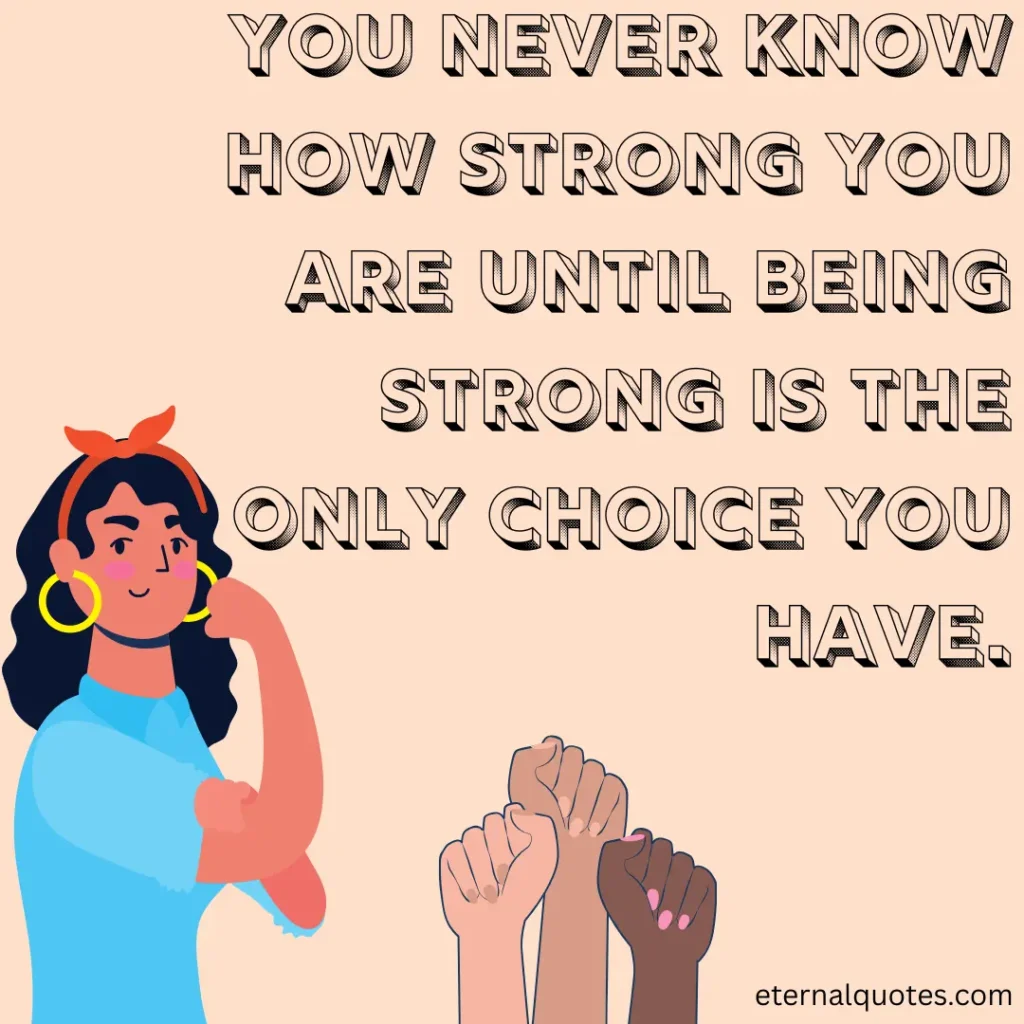
Growing up is realizing that courage isn’t the absence of fear; it’s acting despite the fear.
Strength isn’t about never breaking; it’s about healing and becoming whole again.
The most powerful person in the room is often the quietest one.
Resilience isn’t about bouncing back; it’s about bouncing forward with greater wisdom.
You discover your strength not in the mountains you climb, but in the valleys you survive.
Growing up teaches you that asking for help is a sign of strength, not weakness.
True power comes from lifting others up, not putting them down.
The strongest people are often the gentlest, because they know what it’s like to be broken.
Maturity is understanding that your struggles can become your superpowers.
You don’t find your strength; you build it, choice by choice, day by day.
Accepting Imperfection
Perfectionism is one of the more persistent obstacles to actually living your life. It positions everything as a rehearsal for some future version of yourself that will finally be ready, finally be enough. But that version never quite arrives, because the standard keeps shifting. The energy spent managing the gap between who you are and who you think you should be is energy that could have gone toward almost anything else.
Accepting imperfection isn’t about lowering your standards or giving up on growth. It’s about releasing the idea that your worth is contingent on being without flaw. The people who seem most genuinely comfortable in their own skin are rarely the ones who have it all together. They’re the ones who have made a kind of peace with the fact that they don’t — and decided that was fine.

The most beautiful people are the ones comfortable with their flaws.
Maturity means embracing your quirks instead of hiding them.
You’re not broken; you’re human, and humans come with rough edges.
The goal isn’t to be perfect; it’s to be authentic.
Growing up teaches you that your imperfections are what make you interesting.
The most attractive quality in a person is their ability to laugh at themselves.
Perfectionism is just fear wearing a fancy outfit.
You become truly beautiful when you stop trying to be someone else’s definition of perfect.
The cracks in your foundation aren’t weaknesses; they’re where the light gets in.
Accepting your flaws isn’t giving up; it’s growing up.
Moving Forward
Moving forward is rarely as clean or decisive as it sounds. Most of the time it’s not a single bold step — it’s a slow recalibration, a gradual reorientation of your attention toward what’s ahead rather than what’s behind. Progress made this way can be hard to see in the moment. You often only recognize it in retrospect, when you look back and realize how far the distance has grown between you and where you were.
What tends to make forward movement possible isn’t certainty about the destination — that’s rarely available. It’s a willingness to act before you feel fully ready, to take a next step without being able to see the whole staircase. Most people who have built lives they’re proud of did so not because they had a perfect plan but because they kept moving even when they didn’t. That persistence, unglamorous as it is, tends to be what actually moves things.

The secret to moving forward isn’t forgetting the past; it’s not letting it define your future.
Every step forward counts, even if it’s smaller than you hoped.
Progress isn’t always pretty, but it’s always worth it.
The path forward isn’t always clear, but it’s always there.
Growing up means learning to take life one day at a time without losing sight of your dreams.
Moving forward doesn’t require a plan; it just requires a next step.
The future belongs to those brave enough to leave their comfort zones behind.
You don’t have to see the whole staircase to take the first step.
Growing up is understanding that the journey is more important than the destination.
The best time to plant a tree was twenty years ago; the second best time is now.
The Long Work of Becoming
Growing up is one of those things that sounds like it has a finish line, but the longer you live, the more you realize it doesn’t. The process doesn’t stop when you reach a certain age or accumulate enough experience or finally feel stable. It just changes character — the questions deepen, the stakes shift, the parts of yourself you’re still figuring out become more specific and less obvious to the outside world.
What tends to change most over time isn’t capability but orientation. You become less interested in proving things and more interested in understanding them. Less concerned with how things look and more attentive to how they feel. The noise that once occupied so much space — the comparisons, the performances, the relentless self-monitoring — starts to quiet, not because the world gets easier, but because you get less interested in those particular battles.
Patience is one of the quieter gifts that growth brings. Not the passive kind — not waiting and hoping — but an active willingness to let things unfold at their own pace. To do the work without demanding immediate evidence that it’s paying off. To trust that small, consistent choices compound into something meaningful over time, even when you can’t see it happening.
Part of becoming is also learning to grieve. The roads not taken, the versions of yourself you had to leave behind, the relationships that ran their course, the dreams that had to be renegotiated into something more honest. None of this is failure. It’s the natural cost of being fully present in your own life, of choosing things and living with the weight of those choices.
And underneath all of it — the mistakes, the changes, the letting go, the stumbling forward — there tends to be something surprisingly durable. A self that persists through all the versions. That has been afraid and kept going, been wrong and corrected course, been broken and found its way back to something whole. You don’t always see it clearly from the inside. But it’s there.
So go gently with yourself. Not because the work isn’t hard, but because hard work done with self-compassion tends to last longer than hard work done with self-punishment. The best part of growing up isn’t arriving somewhere. It’s the gradual, imperfect, deeply human process of becoming more honestly yourself — and finding, along the way, that that’s enough.