
Just so you know – some links on this page are affiliate links. If you click and buy something, I may earn a small commission (think coffee money, not a luxury vacation) at no extra cost to you. I only share things I genuinely like and believe are worth it. Thanks for supporting this little corner of the internet – it really helps keep everything running.
Family is often spoken about as if it is automatically safe. People use the word with so much certainty that it can feel almost forbidden to question what happens inside it. Yet some of the deepest confusion in a person’s life begins in the place that was supposed to teach trust. When hurt is mixed with closeness, it leaves behind a kind of grief that is hard to name.
One of the hardest things to accept is that harm does not always come from strangers. It can come from familiar voices, ordinary rooms, and patterns so old they begin to feel permanent. A family can look stable from the outside while quietly wearing down the people inside it. That contrast is part of what makes the experience so disorienting.
There is also a particular loneliness in being wounded by people you are expected to defend. The world tends to make room for obvious loss, but not always for the ache of complicated love. When the relationship remains tied together by guilt, duty, or appearances, healing can feel slow and uneven. A person may spend years trying to understand whether what they felt was real enough to trust.
In families like this, truth often gets blurred by habit. Small injuries are dismissed, larger ones are minimized, and silence starts to pass for peace. Over time, people learn to doubt their own reactions instead of examining what caused them. That kind of atmosphere does not always leave visible damage, but it shapes the inner life in lasting ways.
Still, seeing clearly changes something. It does not erase the history, and it does not make the loss feel simple, but it can loosen the grip of confusion. Naming what was unhealthy creates a little more room to breathe. It allows a person to stop carrying every family story as if it must also be their destiny.
What people need from family is not perfection. They need honesty, care, and a sense that their inner life matters. When those things are absent, the emptiness can follow someone for a long time. But even then, clarity can become the beginning of a different kind of inheritance – one built on truth instead of pretense.
The Mask of Perfection
Some families become deeply committed to appearances. They learn how to present warmth, order, and closeness in ways that leave very little room for anyone to speak honestly about what is missing underneath. The image becomes so important that protecting it starts to matter more than caring for the people inside it.
That kind of perfection has a strange emptiness to it. It asks everyone to stay in character, to smile at the right moments, and to avoid naming what feels cold or false. Over time, the performance can become more real than the relationship itself. What remains is not connection, but maintenance.
They wear their smiles like armor, hiding the battlefield underneath.
The louder they proclaim their love, the deeper they bury their resentment.
Family dinners: where performance art meets mandatory attendance.
Their hugs feel like handshakes with people who share your DNA.
The warmest homes often house the coldest hearts.
They save their cruelest words for those who can’t escape them.
Blood relations practicing emotional strangulation with a smile.
The family that prays together often preys on each other.
Their love comes with more conditions than a legal contract.
Perfect families exist only in their carefully curated social media posts.

K-Beauty Favorite: MISSHA BB Cream
Lightweight coverage with SPF 42, hyaluronic acid & ceramides — backed by 3,000+ reviews.
View BB CreamConditional Love and Hidden Agendas
Love becomes confusing when it is only offered in exchange for obedience. It may still use the language of care, but underneath it carries expectations that are never fully spoken aloud. A person learns that acceptance can be withdrawn the moment they become inconvenient, independent, or too honest.
In that kind of environment, affection stops feeling safe. It becomes something to manage, predict, and earn rather than something that can simply be received. Even kindness begins to feel loaded, as though every warm moment may later be used as leverage. What should feel steady starts to feel conditional in ways that are exhausting to live inside.
They love the version of you that serves their narrative, not who you actually are.
Their affection flows like a faucet – turned on when convenient, shut off when you displease.
Family loyalty becomes emotional blackmail wrapped in tradition.
They collect your mistakes like trophies to display during future arguments.
Their support comes with invisible strings attached to your freedom.
You’re loved for what you can provide, not for who you are inside.
Their care feels like a business transaction with unpredictable terms.
Family love shouldn’t feel like walking through a minefield of expectations.
They remember every favor they’ve done but forget every hurt they’ve caused.
Their acceptance has an expiration date that changes without notice.
Manipulation and Control
Control inside a family does not always look dramatic from the outside. Sometimes it arrives through tone, guilt, repetition, or the steady erasing of another person’s reality. It can become so woven into daily life that everyone adjusts around it without realizing how distorted things have become.
Manipulation works best when it is familiar. It trains people to question their memory, soften their boundaries, and explain away behavior that keeps harming them. The result is a strange kind of captivity where a person is still physically present in their own life, but no longer fully trusts their own instincts. That loss of inner certainty is often one of the deepest injuries.

Gaslighting is the family hobby, and you’re always the target.
They use guilt like a weapon and call it caring.
Your emotions are dismissed unless they serve their agenda.
They create chaos then position themselves as your only salvation.
Family meetings feel more like interrogations than conversations.
They twist your words until you question your own memory.
Emotional manipulation is their native language, spoken fluently since childhood.
They make you feel crazy for having normal human reactions to their abnormal behavior.
Your boundaries are suggestions they feel free to ignore.
They apologize for your feelings, never for their actions.
The Scapegoat and Golden Child Dynamic
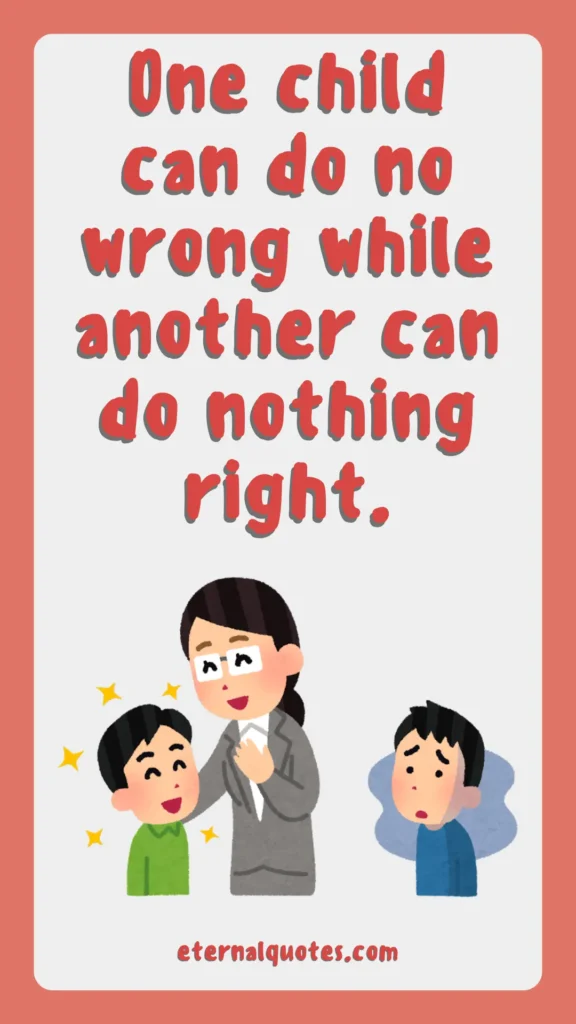
Some families distribute worth unevenly and then call it normal. One person is praised, protected, or idealized, while another quietly absorbs blame that never truly belonged to them. These roles can begin early and become so fixed that everyone forgets they were built by dysfunction rather than truth.
What makes this pattern so painful is that it divides people who might otherwise have understood each other. Siblings are pushed into positions instead of relationships, and love becomes tangled with fear, competition, or resentment. Even the favored child is not really free, because approval depends on continuing the role. Everyone is shaped by the imbalance, even if they are shaped differently.
They need someone to blame for every family dysfunction, and it’s usually the same person.
The golden child lives in fear of losing favor while the scapegoat lives in hope of gaining it.
Family roles are assigned at birth and reinforced through calculated neglect and praise.
The problem child is often the only one brave enough to speak the truth.
They create competition between siblings then wonder why there’s no unity.
Love is rationed based on compliance, not need.
The scapegoat carries the family’s shame while the golden child carries their dreams.
Different children, different rules, same toxic household.
They pit family members against each other to maintain control.
The black sheep often sees most clearly because they’re standing outside the herd.
Emotional Neglect and Invalidation
Neglect is not always loud. It can exist in homes where meals are served, schedules are kept, and life looks functional enough to outsiders. What is missing is harder to point to at first, because it lives in the absence of comfort, curiosity, and emotional presence.
When a person’s inner life is repeatedly dismissed, they often begin to shrink parts of themselves to stay manageable. Feelings start to seem excessive, needs begin to feel embarrassing, and silence becomes easier than reaching out. That kind of invalidation can follow someone into adulthood in very quiet but lasting ways. It teaches survival, but not closeness.
They’re physically present but emotionally vacant when you need them most.
Your pain is minimized while their inconvenience is magnified.
They show up for appearances but disappear when real support is needed.
Your achievements are overshadowed by their need for credit.
They remember to feed your body but forget to nourish your soul.
Emotional needs are treated like character flaws to be corrected.
They provide everything except what you actually need – genuine connection.
Your tears are met with irritation, not comfort.
They’re experts at being unavailable when availability matters most.
Emotional starvation in a house full of people who claim to love you.
Toxic Loyalty and Family Secrets
There are families where loyalty is treated as the highest virtue, even above honesty, safety, or healing. On the surface that may sound noble, but it often means people are expected to protect the system rather than each other. Silence becomes a kind of duty, and speaking plainly is cast as betrayal.
Secrets have a way of shaping the emotional climate long before anyone names them. People learn what must not be said, who must not be questioned, and which truths are too costly to acknowledge. The strain of carrying all that hidden weight settles into the body and changes how people relate to themselves. What remains unspoken still has power.
Secrets are the currency that keeps dysfunctional families in business.
Speaking truth is labeled as betrayal while living lies is called loyalty.
The family’s reputation matters more than individual members’ wellbeing.
They demand your silence about their failures while broadcasting your mistakes.
What happens in the family stays in the family – especially the trauma.
Loyalty is weaponized to prevent accountability.
They confuse enabling with loving and truth-telling with disloyalty.
Family secrets are like cancer – they grow in darkness and destroy from within.
Your voice is silenced to protect their image.
Whistleblowing on family dysfunction makes you the villain, not the hero.
The Fake Support System
Support should make a person feel steadier, not smaller. But in some families, help is offered in ways that keep power exactly where it already was. Concern is mixed with criticism, generosity is mixed with control, and what looks supportive at first begins to feel heavy once it is received.
This kind of support rarely creates relief. It reminds a person of what they supposedly owe, what they should have done differently, or how dependent they are expected to remain. Even good moments start to feel unsafe because they come wrapped in judgment or future leverage. Care that humiliates is not care in any meaningful sense.
Their support comes with judgment disguised as concern.
They offer help that creates more problems than it solves.
Family support feels like quicksand – the more you depend on it, the deeper you sink.
They give advice designed to keep you dependent, not independent.
Their assistance always comes with a lecture about your inadequacy.
They show up for the celebration photos but miss the struggle that came before.
Support is offered publicly and withdrawn privately.
They help just enough to claim credit but not enough to create real change.
Their encouragement feels like backhanded compliments in disguise.
Family support shouldn’t feel like charity with conditions.
Money, Inheritance, and Material Manipulation
Money can become emotionally charged in any relationship, but inside a toxic family it often carries far more than practical meaning. It can be used to reward compliance, punish distance, or keep old hierarchies in place. What looks generous from the outside may actually function as a quiet system of control.
Material support becomes especially painful when it replaces emotional honesty. Gifts are offered where repair should have happened, promises are made where respect should have existed, and financial dependence is confused with closeness. Underneath it all is the same old message: stay manageable, stay grateful, stay within reach. The price is rarely only financial.

They use money as a leash to keep you close and dependent.
Financial support comes with emotional price tags.
Inheritance is dangled like a carrot to control behavior.
They give gifts that serve their needs more than yours.
Money becomes the language of affection because emotional intimacy is foreign.
Their generosity has hidden costs that compound with interest.
Financial manipulation is dressed up as family tradition.
They buy compliance since they can’t earn genuine respect.
Money talks in toxic families, and it usually says ugly things.
Their wallet opens when their heart closes.
The Cycle of Abuse and Denial
Harm that repeats across generations often begins to disguise itself as normal. People inherit reactions, loyalties, and emotional habits long before they have language for what they are carrying. What should have been recognized as pain becomes folded into family identity, and repetition starts to look like tradition.
Denial protects that cycle by keeping everyone focused on endurance instead of change. If the behavior is renamed, minimized, or justified often enough, then nobody has to face what it is doing to people. But what is denied does not disappear. It simply keeps shaping lives until someone chooses to see it clearly and refuse to pass it on.
Abuse is rebranded as discipline and dysfunction as family culture.
They break you down then act surprised when you’re broken.
The cycle continues because no one wants to be the first to step off the merry-go-round.
They normalize abnormal behavior until abnormal feels like home.
Each generation passes trauma like a family heirloom no one wants.
They create the wounds then offer to be the bandage.
Dysfunction is so embedded it feels like family DNA.
They hurt you in the same ways they were hurt, calling it love.
The cycle breaks when someone chooses healing over tradition.
They mistake repetition for normalcy and damage for bonding.
Breaking Free and Finding Truth
Stepping back from a harmful family system is rarely a clean or simple decision. Even when the truth becomes clear, love, grief, memory, and hope can all remain tangled together. A person may know they need distance and still mourn what never really existed in the way they needed it to.
Freedom often begins quietly. It starts when someone stops arguing with their own reality, stops shrinking to fit old roles, and begins to trust the part of themselves that has been trying to speak for years. That process can feel lonely at first, but it is also where a different life begins to take shape. Truth does not always make things easier right away, though it does make them more honest.
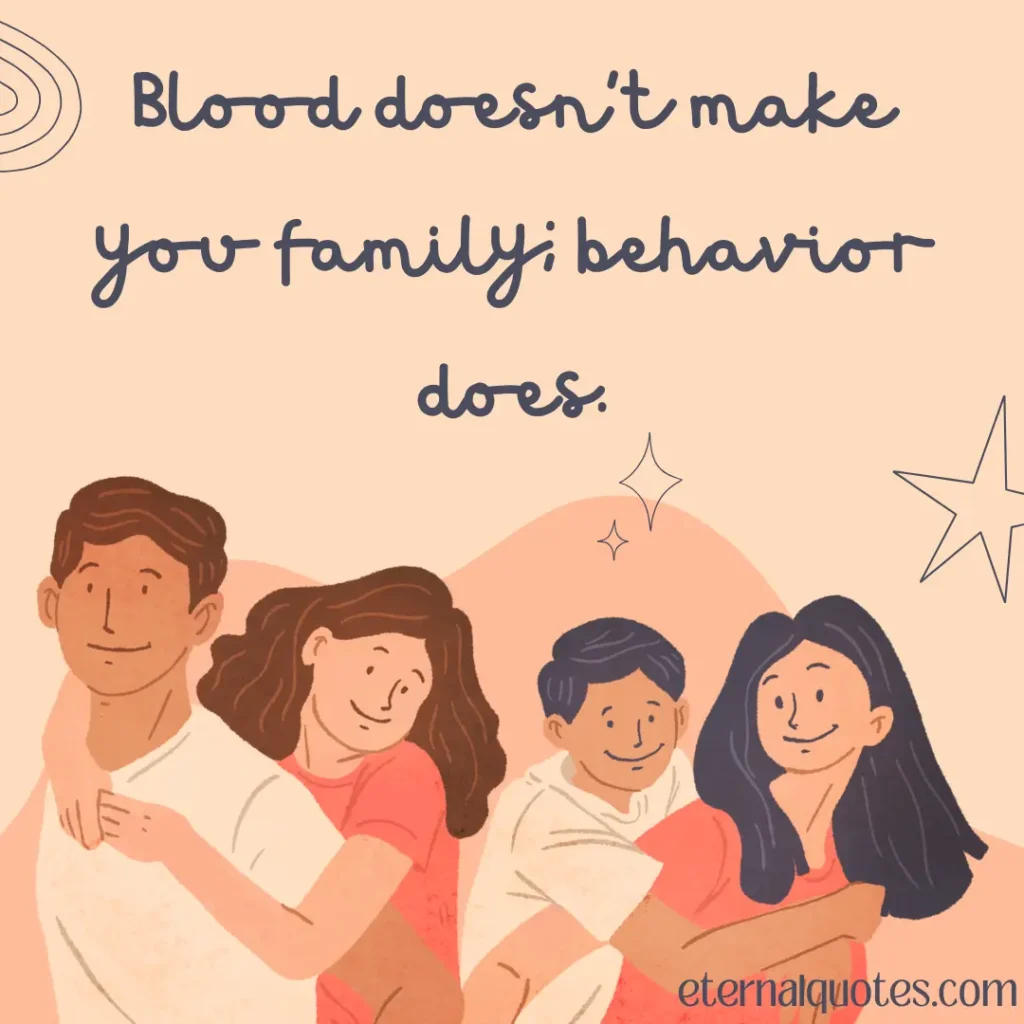
Sometimes the family you choose treats you better than the one you’re born into.
Walking away from toxic family isn’t abandonment; it’s self-preservation.
You don’t owe anyone access to your peace, not even relatives.
Healing begins when you stop making excuses for people who never made efforts.
The hardest person to rescue from a toxic family is yourself.
Sometimes loving your family means loving them from a distance.
Your mental health is more important than maintaining family dysfunction.
You can honor your roots without letting them strangle your growth.
Real family shows up without being begged, summoned, or bribed.
The family you create can heal the wounds the family you were born into caused.
What Healing Refuses to Pretend
Healing in this part of life often begins with a difficult kind of honesty. Not the dramatic kind that tries to explain everything at once, but the quiet kind that finally stops minimizing what happened. A person starts to see that pain does not become less real just because it came from someone familiar. That recognition can feel painful, but it also creates solid ground.
There is grief in accepting that family may never become what it should have been. People often mourn not only what happened, but what kept not happening – the apology that never came, the safety that never settled in, the tenderness that always seemed just out of reach. That grief has its own dignity. It deserves more respect than forced forgiveness or tidy conclusions.
Distance, when it is needed, is not always dramatic either. Sometimes it looks like shorter calls, fewer explanations, and a slower return to old patterns. Sometimes it means no longer handing your nervous system back to the people who taught it to stay on alert. Protecting peace can seem simple from the outside, but inside it often takes years of unlearning and courage.
Truth also changes the way a person sees themselves. The shame that once felt personal begins to loosen when it is placed in the context where it was formed. What used to look like weakness may begin to look more like adaptation, endurance, or a very human attempt to survive. That shift matters because it returns a person to themselves with a little more gentleness.
Over time, healing asks for new forms of belonging. Not perfect people, but honest ones. Not grand gestures, but relationships where care is consistent, respect is mutual, and affection does not have to be bought, guessed at, or earned through self-erasure. A healthier life is often built less through dramatic reinvention than through repeated experiences of safety.
What someone comes from will always be part of their story, but it does not have to remain the shape of their future. Patterns can end. Roles can be laid down. A person can become the first one in the line to choose honesty over image, rest over chaos, and love that does not ask them to disappear in order to receive it.