

Just so you know – some links on this page are affiliate links. If you click and buy something, I may earn a small commission (think coffee money, not a luxury vacation) at no extra cost to you. I only share things I genuinely like and believe are worth it. Thanks for supporting this little corner of the internet – it really helps keep everything running.
Betrayal has a way of changing the air around a person. What once felt safe can suddenly feel uncertain, and even ordinary memories can begin to carry a different weight. The hurt does not come only from what was done. It comes from the fact that trust had been given, often with sincerity, and then mishandled.
Some wounds are visible and easy to explain. Betrayal is rarely one of them. It unsettles the mind as much as the heart, leaving a person to sort through disbelief, anger, grief, and disappointment all at once. That inner confusion can linger long after the moment itself has passed.
What makes betrayal especially painful is its closeness. It usually does not arrive from a distance or from someone already known to be unsafe. It comes through familiarity, through shared history, through the places where trust had been quietly built. That is why its impact can feel so deep and so personal.
Even so, betrayal often leaves behind more than pain. It forces a person to look more carefully at character, at boundaries, and at the difference between words and truth. The experience may harden some parts of the heart for a while, but it can also sharpen understanding. In time, what first felt like pure injury can become a clearer sense of what should never be accepted again.
The First Shock of Broken Trust
The first impact of betrayal is often disbelief. The mind tries to hold together two conflicting realities at once: who a person seemed to be, and what they have now revealed. That gap can feel impossible to cross at first. It leaves people replaying moments, searching for signs they missed.
In those early moments, pain feels sharp because trust had felt real. A betrayal does not only wound affection. It also disturbs a person’s sense of judgment, memory, and emotional safety. That is part of what makes it feel so severe.
“Betrayal breaks the soul in ways no weapon ever could.”
“It is easier to forgive an enemy than to forgive a friend.”
“The silence of betrayal echoes louder than any spoken lie.”
“The most painful moral struggles are not those between truth and lies but between two truths, both painful.”
“The knives of betrayal cut deep and wound badly.”
Looking for Good K-Beauty?
MISSHA has a huge range of Korean skincare and makeup, including some seriously popular bestsellers.
When the Hurt Comes From Someone Close
Betrayal carries more weight when it comes from someone trusted. The closeness is part of the injury. A stranger may disappoint, but a friend, partner, or loved one can reach parts of the heart that were left unguarded. That is why this kind of pain often feels more personal than anger alone can explain.
What was shared in confidence or loyalty can suddenly feel exposed. The person is not only grieving what happened, but also the version of the relationship they believed in. Trust, once broken at that level, rarely returns in the same form. Even if healing comes, innocence usually does not.
“Betrayal leaves you at a fork in the road. You can become bitter or better.”
“Betrayal is universal for humans; forgiveness, much harder to come by.”
“Betrayal is common for men with no conscience.”
“What makes betrayal so bitter is that it never comes from enemies; it always comes from those you believed to be in your corner.”
“Betrayal may come wrapped as a gift.”
The Shape of Emotional Damage
Some pain is easy to name, while some pain changes the whole way a person experiences life. Betrayal often belongs to the second kind. It can distort perception, weaken confidence, and make even simple interactions feel uncertain for a while. The damage is not always dramatic from the outside, but it can be deeply destabilizing within.
That is why recovery can feel uneven. The wound is not limited to one moment. It touches memory, trust, and self-protection all at once. People are often left trying to rebuild a sense of internal steadiness before they can truly move forward.
“The most painful wounds come from those who promised to care.”
“After a betrayal, the world has a different shape. Nothing fits the way it once did.”
“The shadow of betrayal is long and cold.”
“To me, the thing that is worse than death is betrayal.”
“When trust is broken, sorry means nothing.”
Words, Trust, and the Depth of the Wound
Not every betrayal is dramatic in appearance. Some arrive through quiet dishonesty, withheld truth, or words used with carelessness and intent. That does not make them smaller. In some cases, what is said or hidden can alter a person’s inner world just as deeply as any obvious act.
Trust is delicate because it asks for openness. Once that openness is misused, even ordinary language can begin to feel suspect. A person may not only grieve what happened. They may also begin questioning the meaning of what was once said with love, reassurance, or promise.
“A betrayal doesn’t have to involve a knife; words cut just as deep.”
“We are never so vulnerable as when we trust someone – but paradoxically, if we cannot trust, neither can we find love or joy.”
“Betrayal is a knife that cuts both ways—wounding the betrayed and changing the betrayer.”
“The most painful betrayals are the ones we don’t see coming.”
“Betrayal brings a special kind of grief: the death of trust.”
Invisible Scars and Lasting Effects
One of the hardest things about betrayal is how much of its damage remains unseen. A person may continue moving through daily life while carrying confusion, grief, and a quieter kind of fear underneath. The outside world often sees only composure. It does not always notice the inner cost.
Those invisible effects can reach far beyond the original moment. Self-trust may weaken. Openness may become harder. Even relationships that come later can be shaped by what was once broken. That is why healing from betrayal often requires more than time. It also requires honesty about the depth of the wound.
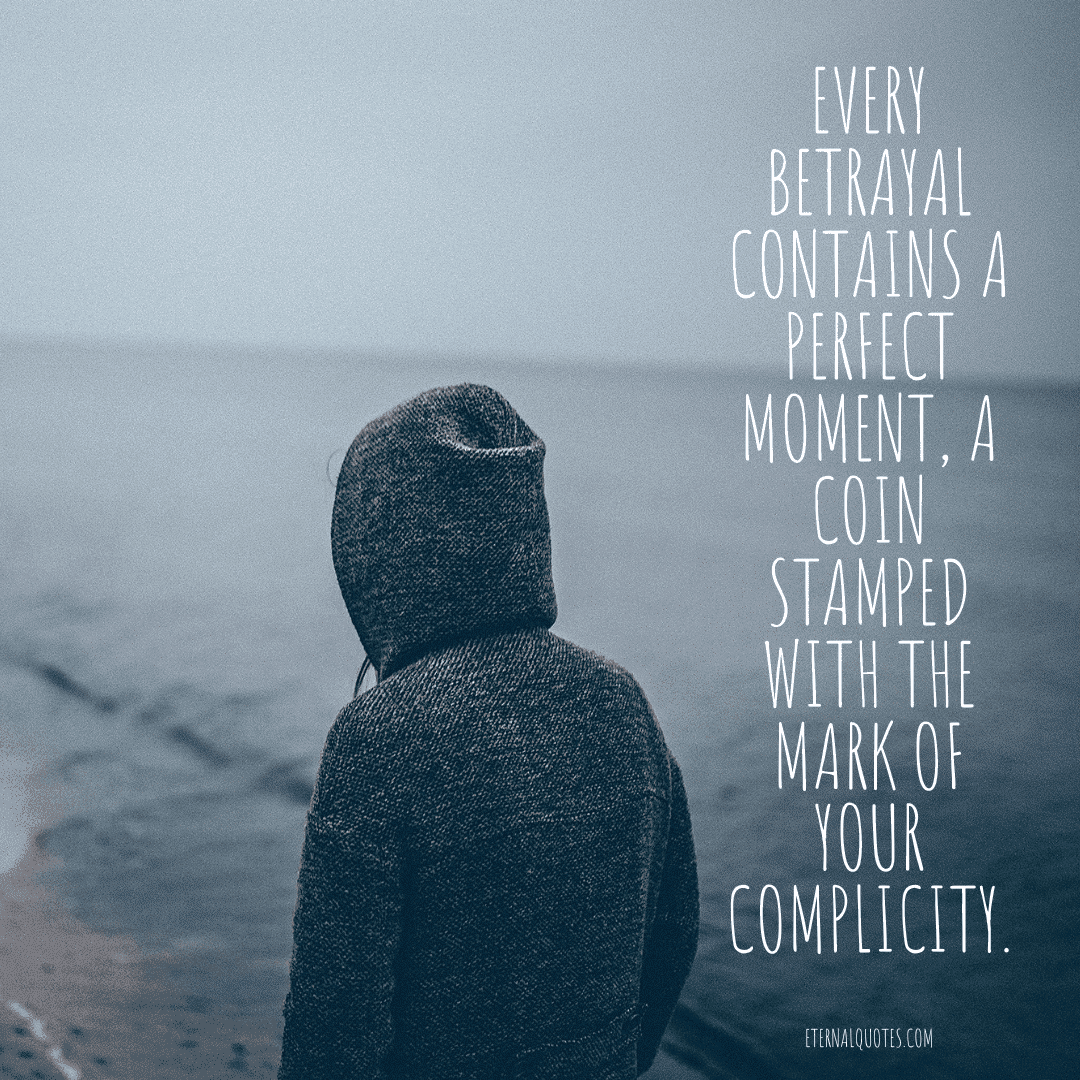
“Not all wounds are visible. Betrayal leaves scars on the soul.”
“Betrayal doesn’t just break your heart; it fractures your identity.”
“The deepest wounds come from hands that once held yours.”
“Betrayal forces you to set higher standards the next time around.”
“When trust is broken, it transforms a simple wound into an abyss.”
What Betrayal Teaches the Mind
Pain changes perception. After betrayal, the mind often becomes sharper, more watchful, and less willing to accept things at face value. While that vigilance can feel heavy, it is also part of how people try to protect themselves. The heart may still hurt, but the mind begins learning.
Some lessons arrive gently, and others arrive through disappointment. Betrayal belongs to the second kind. It forces questions a person may not have wanted to ask before. Over time, those questions can become the beginning of stronger boundaries and deeper discernment.
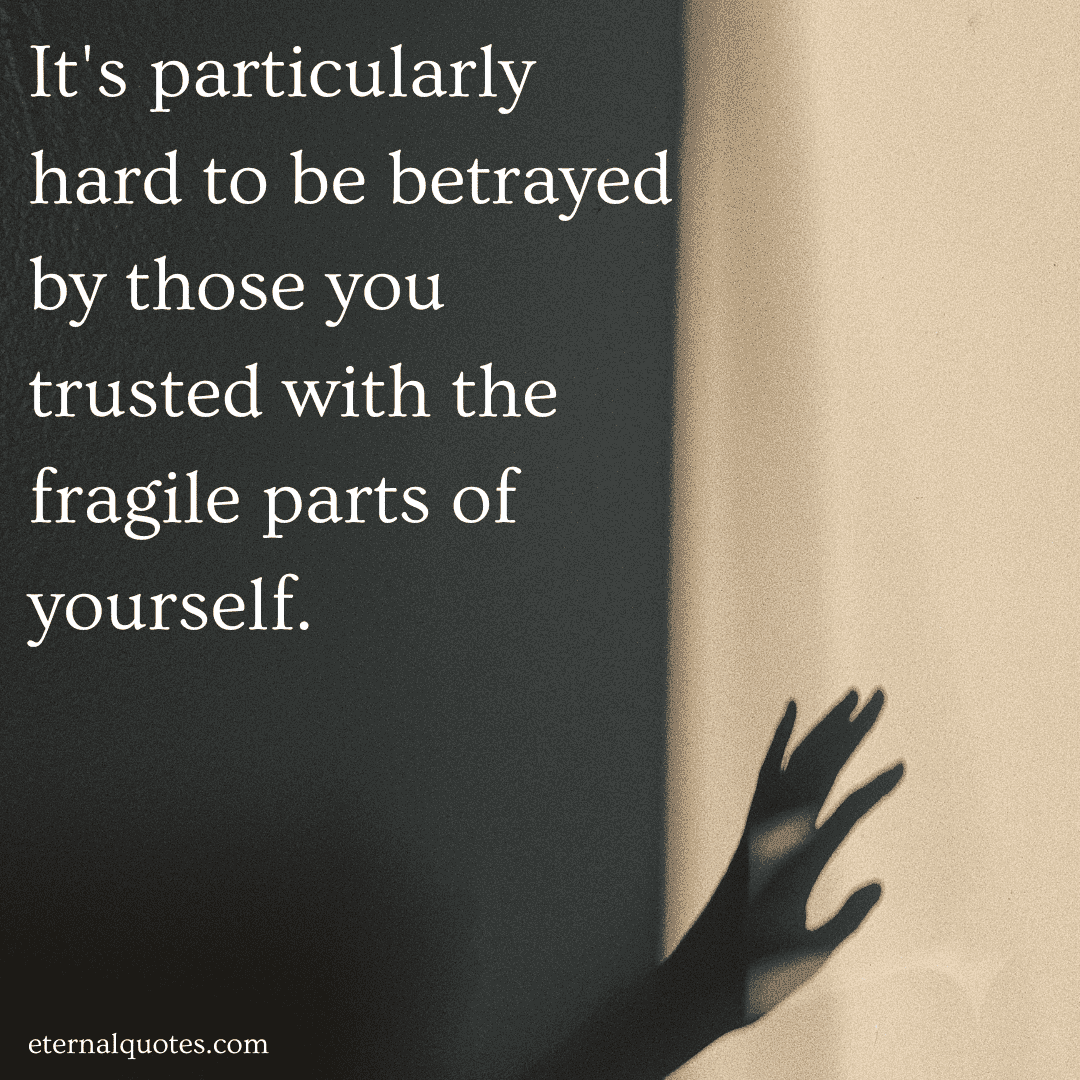
“The betrayal you survive today will be the strength you need tomorrow.”
“Once trust is lost, suspicion replaces it, and suspicion is a crippling force.”
“The first betrayal wraps you in shock; the second drenches you in wisdom.”
“Betrayal teaches us that not everyone who smiles at you loves you.”
“The pain of betrayal is in almost perfect proportion to the importance of the trust violated.”
The Cost of Broken Loyalty
Betrayal rarely leaves anyone untouched. Even when one person causes the harm, the damage moves outward. Relationships fracture, trust becomes harder to restore, and the emotional cost can linger long after the event itself. In that sense, betrayal is never clean or isolated. It leaves a residue behind.
It also reveals something difficult about loyalty. The deeper the attachment, the greater the potential for injury when that loyalty is broken. That truth can feel severe, but it also explains why betrayal hurts in proportion to what had once been valued. The wound reflects the bond that existed before it was damaged.
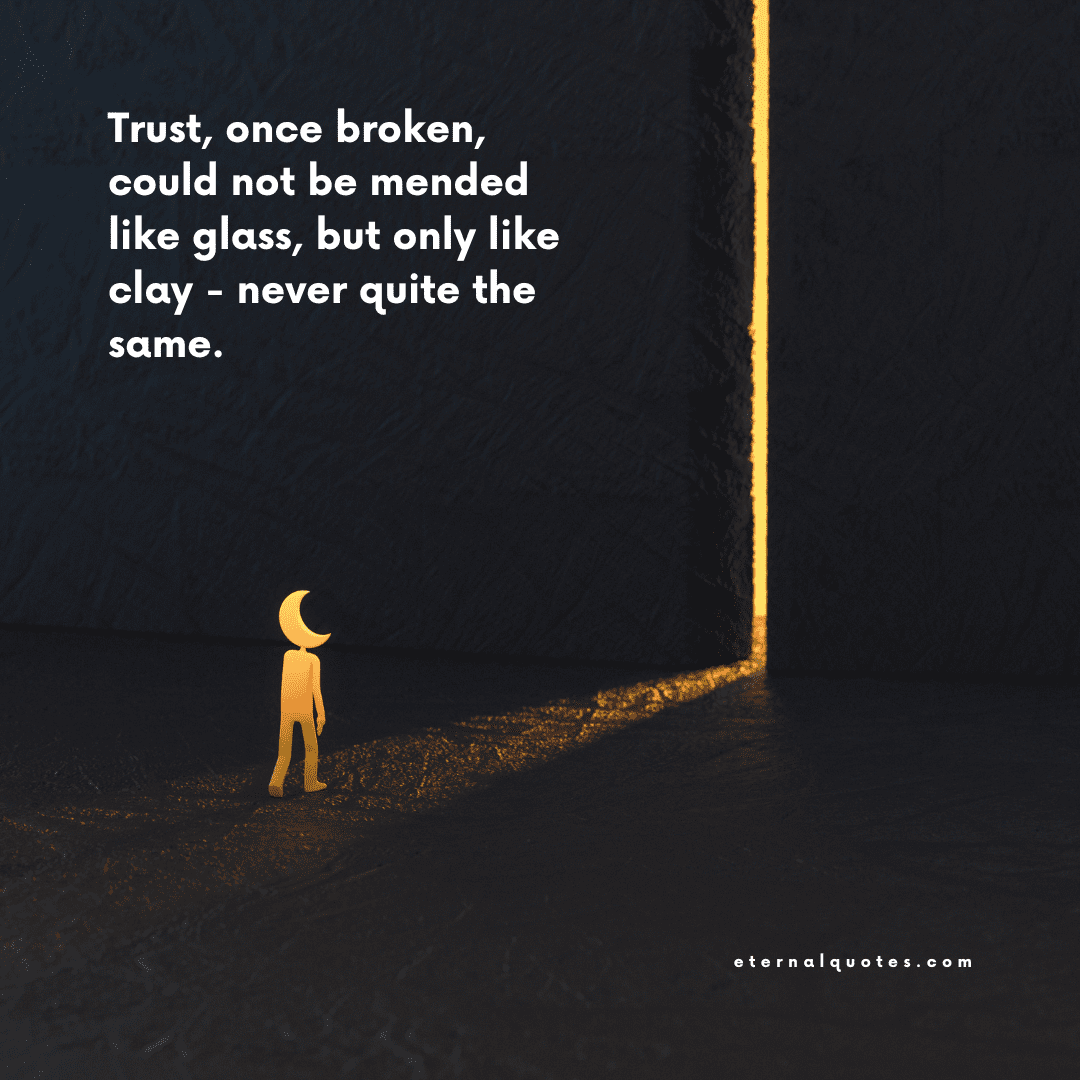
“In betrayal, there are no winners—only different degrees of losing.”
“The worst betrayals are those we commit against ourselves.”
“With each betrayal, we learn to ask sharper questions the next time.”
“Betrayal creates exiles from what they once believed in.”
“The deeper the love, the deeper the potential for betrayal.”
Bitterness, Clarity, and the Choice Ahead
After betrayal, many people stand in a difficult place between pain and meaning. It is natural to feel anger, and sometimes anger protects what grief cannot yet hold. But sooner or later, the deeper question appears: what will this experience turn into? Left unattended, pain can become bitterness. Faced honestly, it can become clarity.
That does not mean the hurt was necessary or deserved. It means that people still have a choice in what they carry forward from it. Betrayal can sharpen the understanding of character, reveal what should never be tolerated, and teach the value of letting go before pain becomes an identity.
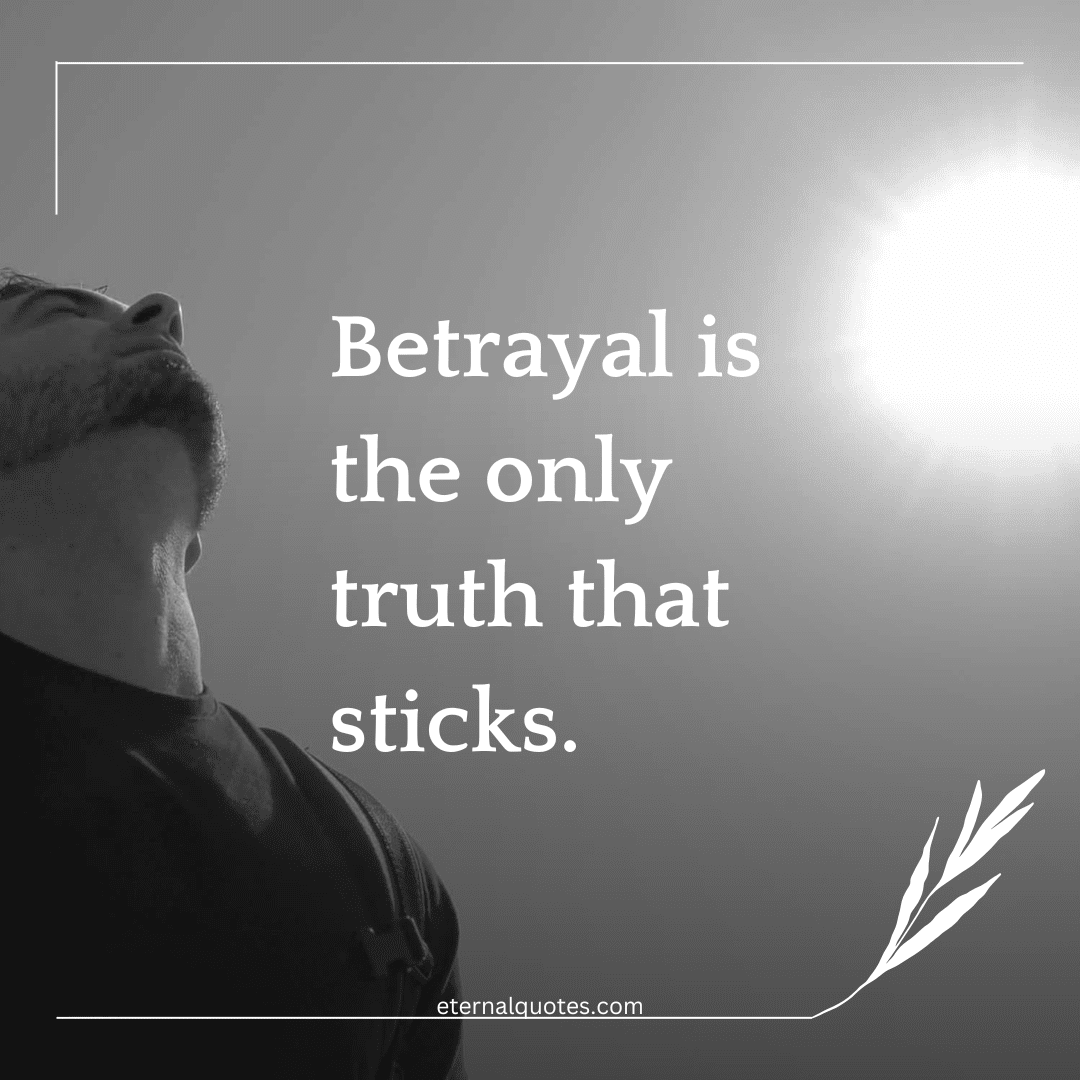
“Some betrayals are like earthquakes; they forever alter your landscape.”
“The most dangerous betrayal is the one you don’t recognize.”
“Betrayal can only happen if you love.”
“It’s not the betrayal that destroys you; it’s the holding on to the pain that does.”
“Betrayal is just a reminder that you trusted too much.”
Lessons Hidden Inside Disappointment
Not every painful experience teaches something meaningful right away. Betrayal often takes time before its lessons can even be named. At first there is only hurt, confusion, and the need to make sense of what happened. Later, patterns become clearer. Certain truths that once seemed small begin to matter more.
Many people come out of betrayal with a stronger sense of self. They become less willing to abandon their own needs for approval, less likely to ignore warning signs, and more careful about where they place trust. The pain may not have been chosen, but the wisdom that follows can still be real.

“When betrayal arrives, it reveals truths you needed to know.”
“The ultimate betrayal is betraying yourself to please someone else.”
“Every betrayal begins with trust.”
“Betrayal delivers a lesson we rarely wanted but usually needed.”
“In the aftermath of betrayal, we discover who we truly are.”
What Remains After the Damage
The aftermath of betrayal is rarely simple. Some people are left grieving the loss of a relationship, while others grieve the loss of certainty, innocence, or self-trust. What remains is often a quieter reckoning. A person begins asking not only what was done to them, but what must now be understood differently.
Even in that difficult aftermath, there can be a slow return to steadiness. Understanding does not erase the damage, but it can prevent the wound from ruling everything that comes after. A person may never look at trust in quite the same way again. Still, they can emerge with clearer sight, stronger limits, and a more grounded sense of who they are.
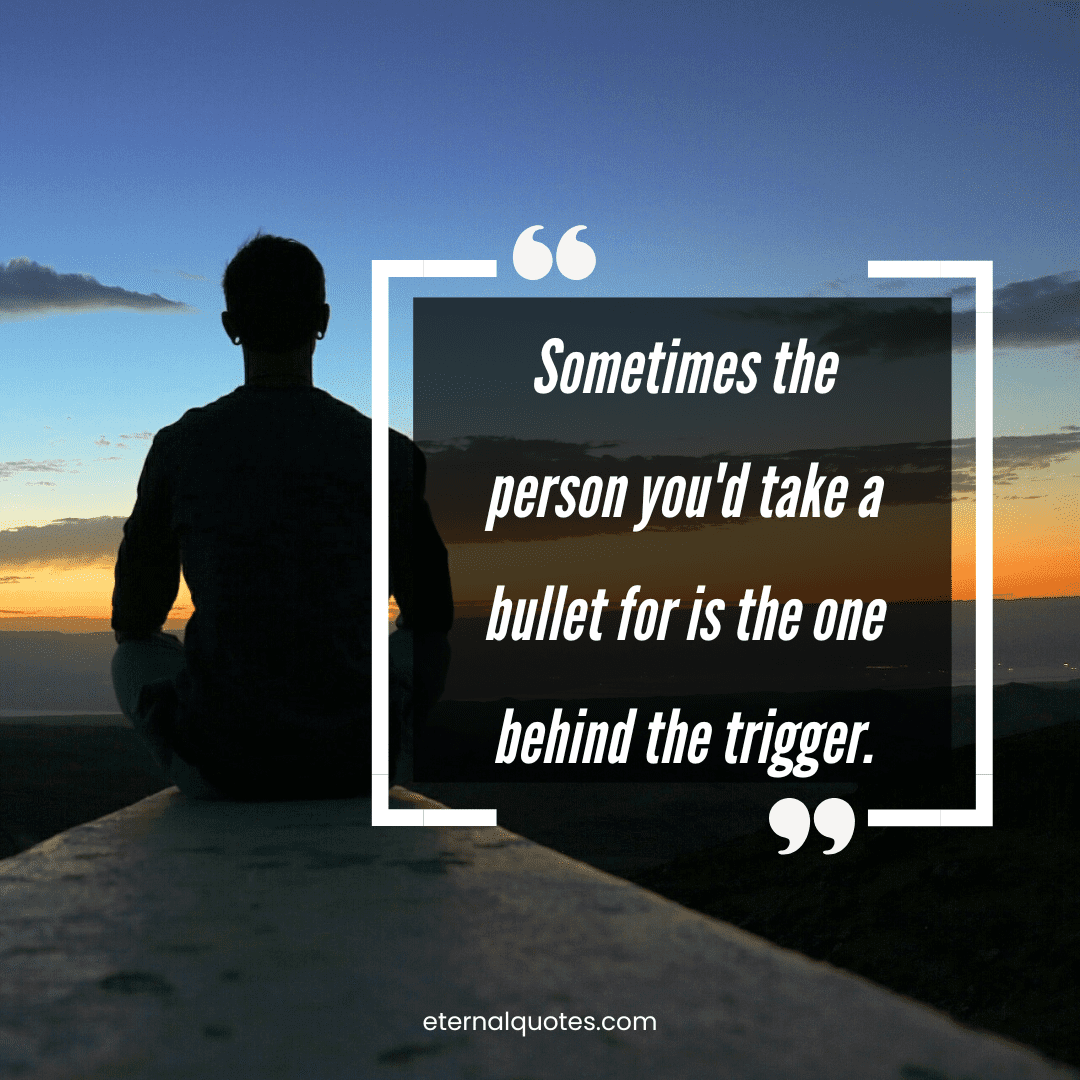
“The whisper of betrayal is often louder than a shout.”
“No pain is more piercing than the realization you’ve been betrayed.”
“The hardest betrayal to overcome is when you’ve been betrayed by your own expectations.”
“Betrayal demands that we expand our capacity for understanding human frailty.”
“Behind every betrayal lies a truth waiting to be discovered.”
After Trust Has Been Tested
Betrayal leaves a person facing truths they may never have wanted to learn. It reveals the limits of another person’s character, but it also reveals the depth of one’s own feeling. That is part of why the pain can be so severe. It is not only about the loss of trust. It is also about the loss of what had once felt safe, mutual, and unquestioned.
In time, the sharpness may soften, but the understanding often remains. A person begins to see more clearly what loyalty should look like, what self-betrayal feels like, and where firmer boundaries are needed. Betrayal can leave a scar, but a scar is not the same as an open wound. It is evidence of pain, and also evidence of survival.
What makes healing difficult is that trust is not rebuilt through thought alone. It takes time for the nervous system, the heart, and the mind to stop expecting the same hurt again. Some people grow quieter after betrayal. Others become more guarded. Neither response is weakness. Both are signs that something important was shaken.
Still, betrayal does not have to define the rest of a person’s life. It can become a turning point rather than a permanent identity. Not because the harm was acceptable, but because pain does not deserve unlimited control over what comes next. A wounded heart can become wiser without becoming closed forever.
Some of the hardest lessons in life arrive without fairness. Betrayal is one of them. It offers no comfort in the moment, and it rarely leaves a person unchanged. Yet it can strip away illusion, expose where trust was misplaced, and make room for a more honest view of people and of oneself. That honesty is painful, but it can also be stabilizing.
What remains after betrayal is not only sorrow. There can also be dignity in refusing to stay attached to what caused the damage. There can be strength in walking forward with clearer eyes. Trust may become more careful after that, but careful trust is not a failure. Sometimes it is simply the shape wisdom takes after the heart has learned how costly carelessness can be.