
Just so you know – some links on this page are affiliate links. If you click and buy something, I may earn a small commission (think coffee money, not a luxury vacation) at no extra cost to you. I only share things I genuinely like and believe are worth it. Thanks for supporting this little corner of the internet – it really helps keep everything running.
Recovery rarely looks the way people expect it to. It is not a straight line or a single decision that changes everything overnight. Instead, it unfolds quietly, often in small moments that don’t seem significant at first. Over time, those moments begin to shape something steady and real.
There are days when progress feels obvious and days when it feels invisible. Both belong to the process. Growth does not always announce itself, and healing does not always feel comfortable. Still, something shifts beneath the surface, even when it is hard to see.
What makes this journey meaningful is not perfection, but persistence. Showing up again after a difficult day carries its own kind of strength. Choosing to keep going, even without certainty, becomes part of what rebuilds a sense of trust in yourself.
Over time, recovery invites a different relationship with your own thoughts and emotions. Things that once felt overwhelming begin to feel more manageable. The intensity may still be there, but it no longer controls every step forward.
There is also a quiet shift in how you see yourself. Old labels start to loosen their hold, making space for something more honest. You begin to recognize that you are more than your hardest moments.
None of this happens all at once. It builds slowly, through repetition, patience, and a willingness to stay present. And somewhere along the way, what once felt impossible starts to feel like something you can carry.
Finding Strength in Vulnerability
Opening up about what you are going through can feel uncomfortable at first. There is often a hesitation that comes from wanting to appear strong or in control. But real strength tends to show up in quieter ways, especially in moments of honesty.
Vulnerability creates space for connection, even when it feels uncertain. It allows experiences to be shared instead of carried alone. Over time, that openness can shift how you relate to both yourself and others.

My scars don’t define me, but they remind me of how far I’ve traveled on this healing journey.
Admitting I needed help wasn’t weakness – it was the bravest thing I’ve ever done.
Recovery taught me that vulnerability is not about being broken; it’s about being real.
I’m learning to see my sensitivity as a superpower, not a character flaw.
The courage to ask for help is the first step toward finding it.
My story includes chapters of pain, but it doesn’t end there.
Strength isn’t about never falling; it’s about getting back up every single time.
I’m not ashamed of my past because it led me to who I am becoming.
Recovery means learning to love myself through all my imperfections.
True power comes from acknowledging my limitations and seeking support anyway.
Looking for Good K-Beauty?
MISSHA has a huge range of Korean skincare and makeup, including some seriously popular bestsellers.
One Day at a Time
Looking too far ahead can sometimes make everything feel overwhelming. The future carries a lot of unknowns, and trying to solve it all at once often creates more pressure than clarity. Focusing on the present brings things back into something more manageable.
There is a quiet steadiness in taking things one step at a time. It allows space for consistency without the weight of perfection. Over time, those small, repeated choices begin to build something lasting.
More Quotes You May Enjoy


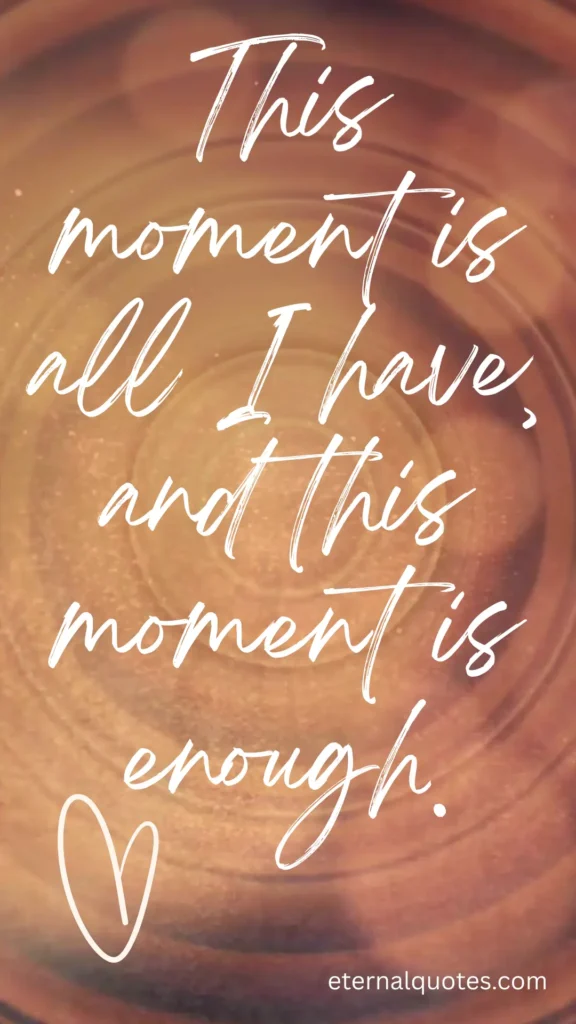
I don’t have to be perfect forever – I just have to be present today.
Recovery isn’t about winning a race; it’s about showing up consistently.
Each sunrise offers me a fresh start and a clean slate.
I’m not recovering from yesterday or tomorrow – I’m recovering right now.
Today’s choices create tomorrow’s possibilities.
Small steps taken daily lead to extraordinary transformations.
I celebrate progress, not perfection, in my recovery journey.
Every 24 hours I stay sober is a victory worth acknowledging.
The path ahead seems overwhelming, but this single day is manageable.
I’m building my recovery one conscious choice at a time.
Embracing Hope and Healing
Hope does not always arrive in a dramatic way. Often, it shows up quietly, almost unnoticed at first. It can be as simple as a moment of clarity or a shift in how you see what lies ahead.
Healing follows its own rhythm, and it rarely moves in a straight line. There are moments of progress and moments of pause, both carrying their own value. Over time, that movement begins to create a deeper sense of trust in the process.
Healing happens in waves, and I’m learning to ride them with grace.
My future is not determined by my past mistakes.
Recovery is proof that second chances are real and worth fighting for.
I’m not the person I was yesterday, and that gives me incredible hope.
Healing isn’t linear, but it’s always moving me toward something better.
Every day I choose recovery, I choose to believe in my own worth.
Hope grows stronger when I share it with others on similar journeys.
I’m learning to trust that my life has purpose beyond my addiction.
Recovery has taught me that broken things can become beautiful again.
The light at the end of the tunnel isn’t an illusion – it’s my destination.
Building Community and Connection
Connection can feel unfamiliar after long periods of isolation. Trust does not rebuild overnight, and it often takes time to feel safe around others again. Still, even small moments of shared understanding can begin to soften that distance.
Being around people who understand similar struggles creates a different kind of support. It is not about having all the answers, but about showing up and being present with each other. Over time, those connections can become something steady and grounding.
The people who understand my struggle become my greatest allies.
I’m grateful for the community that caught me when I was falling.
Sharing my story helps others feel less alone in their own battles.
Recovery connections run deeper than surface-level friendships.
I’ve learned to ask for help before I desperately need it.
The support group became my safe harbor in the storm of recovery.
I’m both student and teacher in this community of healing.
Isolation fed my addiction, but connection feeds my recovery.
I’m learning to receive love and support without feeling guilty.
Together we’re stronger than any addiction could ever be.
Personal Growth and Self-Discovery
Change often begins quietly, without a clear moment where everything shifts. It builds through reflection, through noticing patterns, and through choosing different responses over time. That process can feel slow, but it creates something lasting.
Self-discovery is not about becoming someone entirely new. It is about uncovering parts of yourself that were always there but never had space to grow. As that space expands, a different sense of identity begins to take shape.
I’m learning to love the person I’m becoming, not just the person I wish I was.
Sobriety gave me permission to dream again.
I’m discovering strengths I never knew I had.
Recovery is teaching me the difference between surviving and truly living.
I’m not the same person who entered recovery, and that’s exactly the point.
Every challenge in recovery is an opportunity to grow stronger.
I’m learning to be patient with my own healing process.
Recovery has shown me that I’m capable of more than I ever imagined.
I’m becoming the person I needed when I was struggling.
Growth happens outside my comfort zone, and recovery has expanded my world.
Overcoming Shame and Guilt
Shame and guilt can feel heavy, especially when they have been carried for a long time. They often shape how you see yourself, even when those views are no longer accurate. Letting go of that weight does not happen all at once.
Learning to approach yourself with compassion takes practice. It means noticing those critical thoughts without immediately believing them. Over time, that shift begins to create a different internal voice.

Shame kept me sick, but self-compassion is helping me heal.
I cannot change my past, but I can choose how I respond to it today.
Guilt serves a purpose when it motivates change, but shame only paralyzes.
I’m practicing forgiveness – especially toward myself.
My mistakes don’t define me; my recovery does.
I’m learning that I deserve love and respect, starting with my own.
Recovery is teaching me to be gentle with myself during difficult moments.
I’m replacing self-criticism with self-compassion, one thought at a time.
Shame thrives in silence, but loses its power when I share my story.
I’m worthy of recovery simply because I’m human.
Finding Purpose and Meaning
Purpose often changes over time, especially after periods of struggle. What once felt important may shift, making space for something more grounded. That shift can feel uncertain at first, but it also opens new directions.
Meaning is not always something that appears fully formed. It tends to grow through actions, choices, and small commitments made consistently. Over time, those choices begin to shape a clearer sense of direction.
I’m not just getting sober – I’m reclaiming my life.
My story of struggle can become someone else’s story of hope.
Recovery gave me back my ability to care about something beyond myself.
I’m learning that service to others is medicine for my soul.
Purpose isn’t something I find – it’s something I create through my choices.
Recovery taught me that I have something valuable to offer the world.
I’m turning my mess into my message, one day at a time.
My experience with addiction gives me unique insight into healing.
I’m not just surviving recovery – I’m thriving because of it.
Every day sober is an opportunity to make a positive difference.
Dealing with Difficult Emotions
Emotions can feel more intense when they are no longer being avoided. What once was pushed aside may begin to surface in new ways. That can be uncomfortable, but it is also part of understanding yourself more clearly.
Learning to sit with those feelings takes time and patience. It is not about eliminating them, but about building the ability to experience them without being overwhelmed. Over time, that creates a different kind of stability.

Difficult feelings are temporary visitors, not permanent residents.
Recovery taught me that I can survive any emotion without using.
I’m developing healthy coping skills to replace destructive habits.
Emotions are information, not instructions for how to behave.
I’m learning to sit with discomfort instead of running from it.
Recovery means facing my feelings instead of numbing them.
I’m discovering that I’m stronger than my worst day feels.
Difficult emotions are part of the human experience, not personal failures.
I’m learning to ride the waves of emotion without drowning.
Recovery is teaching me that feelings change, but my commitment to sobriety remains constant.
Celebrating Progress and Milestones
Progress is not always loud or obvious. It often shows up in small changes that are easy to overlook at first. Over time, those changes begin to form something more visible and steady.
Taking time to notice those moments can shift how you see your own effort. It creates space to recognize growth without needing everything to be perfect. That awareness becomes part of staying motivated.
I’m proud of how far I’ve come, even when the journey feels incomplete.
Progress isn’t always visible, but it’s always happening.
I celebrate small victories because they add up to major transformations.
Recovery milestones remind me that consistency creates miracles.
I’m learning to acknowledge my growth without minimizing my efforts.
Each sober anniversary is a testament to my strength and determination.
I’m not where I want to be yet, but I’m not where I used to be.
Recovery taught me to measure success by effort, not just outcomes.
I’m celebrating the person I’m becoming, not just the person I’m leaving behind.
Every milestone in recovery represents countless small choices to keep going.
Living in Gratitude
Gratitude often begins with noticing what is already present. It shifts attention away from what is missing and toward what is steady. That shift can feel small, but it changes how each day is experienced.
Over time, it becomes easier to recognize moments that might have been overlooked before. Simple things begin to carry more meaning. That awareness creates a quieter, more grounded sense of appreciation.

Recovery taught me to appreciate ordinary moments as extraordinary gifts.
I’m grateful for the people who believed in me when I couldn’t believe in myself.
Sobriety has given me the gift of being present for my own life.
I’m learning to find beauty in the simple act of waking up clear-headed.
Gratitude is my antidote to resentment and self-pity.
I’m thankful for the struggles that led me to seek help.
Recovery has taught me that grateful people are happy people.
I’m grateful for second chances and the opportunity to start over.
Every sober day is a gift I give myself and those who love me.
Gratitude reminds me that recovery is not about what I’ve lost, but what I’ve gained.
A Life Rebuilt, One Quiet Step at a Time
Recovery does not erase the past, but it changes how it is carried. What once felt overwhelming can begin to feel like something that shaped growth rather than defined it. That shift does not happen quickly, but it becomes more noticeable over time.
There is a different kind of strength that develops through this process. It is not loud or forceful, but steady and grounded. It shows up in choices that once felt difficult and now feel more natural.
Some days will still feel uncertain. There may be moments where doubt returns or old patterns try to resurface. But even in those moments, there is a deeper awareness that was not there before.
What continues to build is a sense of trust in your own ability to keep going. That trust grows through repetition, through effort, and through staying present even when it is uncomfortable. It becomes something you can rely on.
Life begins to feel more open in ways that are hard to explain at first. There is space to experience things more fully, without the constant need to escape or avoid. That space creates room for something new to take shape.
And in that quiet, steady way, recovery becomes less about what is being left behind and more about what is being built. It is not defined by a single moment, but by the accumulation of many small, meaningful ones.