Just so you know – some links on this page are affiliate links. If you click and buy something, I may earn a small commission (think coffee money, not a luxury vacation) at no extra cost to you. I only share things I genuinely like and believe are worth it. Thanks for supporting this little corner of the internet – it really helps keep everything running.
The end of a relationship is a particular kind of grief. It does not always announce itself cleanly or resolve on any predictable schedule. Some days the loss feels distant and manageable, and other days it catches you completely off guard — in the middle of a grocery store, or right before you fall asleep.
What makes it harder is that there is no universally correct way to get through it. People offer advice freely and often contradict each other. Some will tell you to stay busy. Others will tell you to sit with the pain. Most of the time, you end up doing a messy combination of both, and that is actually fine.
Heartbreak has a way of stirring up questions that go far deeper than the relationship itself. You start wondering who you are outside of that dynamic, what you actually want, and whether you made the right choices along the way. Those are not easy questions, and they deserve more than quick answers.
There is a kind of quiet work that happens during the difficult period after a breakup — work that does not always look like progress from the outside. It happens in the moments you choose honesty over denial, or when you let yourself feel something fully instead of pushing it away. That work matters, even when it is invisible.
Moving forward is not the same as moving on, and the difference is worth holding onto. Moving on implies leaving something behind entirely, as though it never mattered. Moving forward means carrying the experience with you — the lessons, the tenderness, the self-awareness — while still choosing to walk in a new direction.
Whatever stage you are at right now, there is room for it here. Healing is not a performance, and you are not behind. You are simply somewhere in the middle of a process that is entirely your own.
Finding Your Strength
Strength after heartbreak rarely looks the way people expect it to. It is not the absence of tears or the ability to seem unbothered. More often it is something quieter — the decision to get up in the morning anyway, to eat something, to call a friend even when you do not feel like talking.
There is a kind of resilience that only becomes visible once you have been tested. You may not have known it was there before now, but difficulty has a way of surfacing what was always inside you. That does not make the pain worth celebrating, but it does make the discovery of your own durability worth acknowledging.
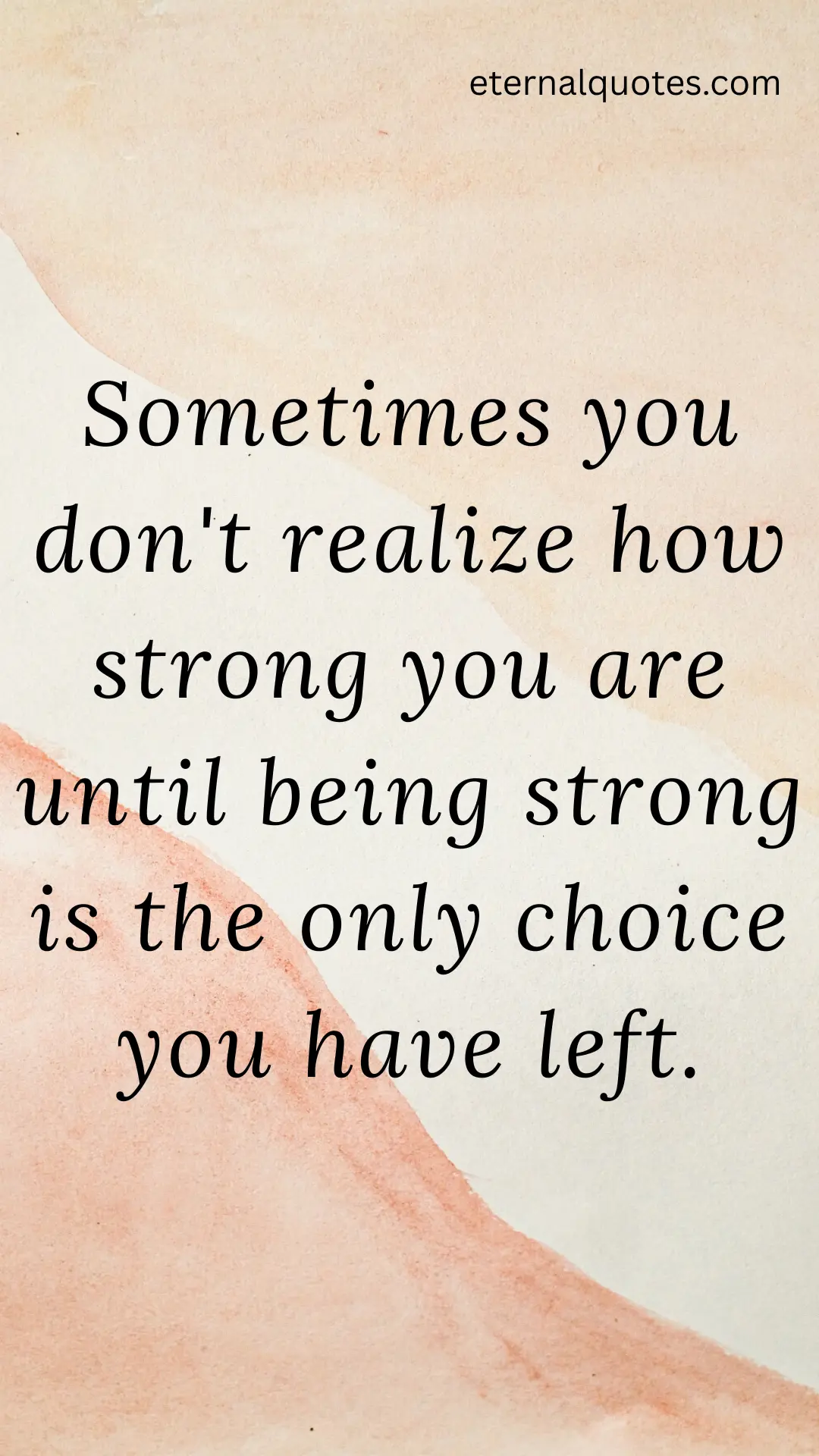
The person who broke your heart can’t be the one to fix it – that power belongs to you alone.
You survived 100% of your worst days so far, and that’s a pretty amazing track record.
Strength isn’t about pretending you’re okay when you’re not – it’s about feeling the pain and choosing to keep going anyway.
Every tear you’ve cried has watered the seeds of the person you’re becoming.
The crack in your heart isn’t a flaw – it’s where the light gets in and where your strength grows from.
You don’t need someone else to complete you because you were never incomplete to begin with.
Rock bottom became the solid foundation on which you rebuilt your entire life.
Your heart may be bruised, but it’s still beating, still hoping, still believing in better days.
The strongest people aren’t those who never fall – they’re the ones who get back up every single time.
You are not a victim of your circumstances; you are the architect of your comeback.
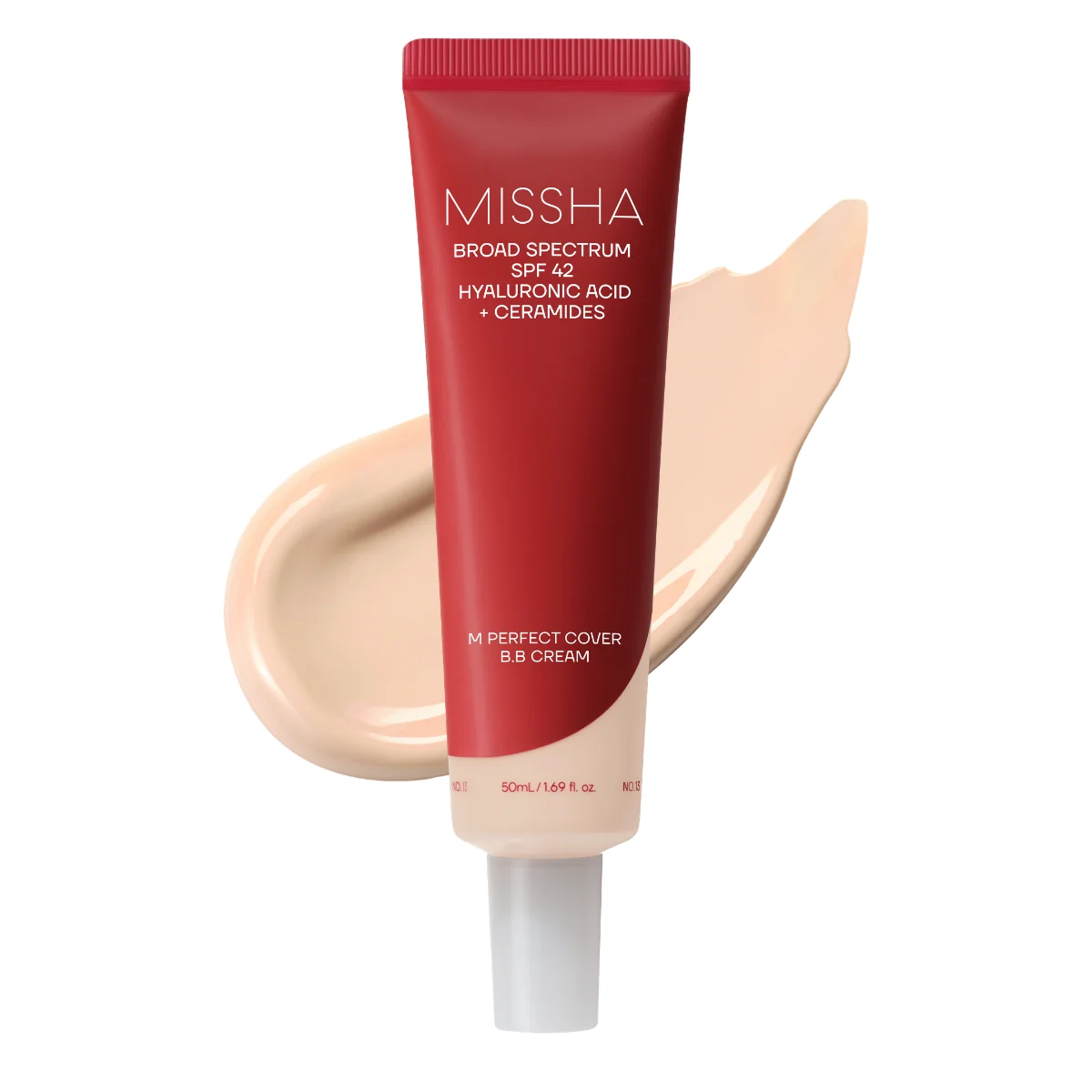
K-Beauty Favorite: MISSHA BB Cream
Lightweight coverage with SPF 42, hyaluronic acid & ceramides — backed by 3,000+ reviews.
View BB CreamLetting Go and Release
Letting go is one of those things that sounds straightforward until you actually try to do it. It is not a single decision made once and then finished. It tends to be a slow, uneven process — something you choose again and again on ordinary days when nothing dramatic is happening.
There is a difference between releasing something and abandoning it. You can let go of a relationship without erasing what it meant to you. Releasing someone from your daily emotional grip does not require pretending the connection was meaningless — it simply means you are no longer anchoring your present to something that has already ended.
More Quotes You May Enjoy


Letting go doesn’t mean giving up – it means accepting that some chapters are meant to end.
You can’t start the next chapter of your life if you keep re-reading the last one.
The art of letting go is learning to love with open hands instead of clenched fists.
Some people come into your life as blessings, others come as lessons – both have value.
Forgiveness isn’t about them deserving it – it’s about you deserving peace.
The hardest part of letting go is realizing that the other person already has.
You don’t have to forget what happened, but you don’t have to carry it with you everywhere either.
Closure is something you give yourself, not something someone else owes you.
Letting go feels like losing at first, but it’s actually making space for something better.
Release what no longer serves you, even if it once meant everything to you.
Self-Discovery and Growth
A breakup has a strange way of returning you to yourself. When a relationship ends, you are suddenly left with time, space, and questions that were quietly waiting under the surface of a shared life. That can feel disorienting at first, but it can also become one of the more honest periods you go through.
Growth after loss is rarely comfortable, and it does not always feel like growth while it is happening. Sometimes it feels more like confusion — not knowing what you want, what you like, or who you are when you are not defined by someone else’s presence. That uncertainty is not a setback. It is the beginning of something more authentic.
The person you become after heartbreak is often the person you were always meant to be.
Breakups don’t break you – they reveal how unbreakable you really are.
You are not half of a whole looking for your other half – you are already complete.
The relationship ending wasn’t your failure – it was your redirection toward something better.
Growing apart sometimes means growing into who you’re supposed to become.
You don’t need someone to love you to prove you’re worthy of love.
The most important relationship you’ll ever have is the one you have with yourself.
Heartbreak taught you that you can survive anything, and that’s a superpower.
Every ending is a new beginning wearing a disguise.
You are not broken goods because one person couldn’t see your worth.
Healing and Recovery
Healing does not move in one direction. Most people expect it to feel like a steady climb — a little better each day, a gradual fading of the ache. In reality, it tends to move in circles, with good days followed by unexpected hard ones that make you feel as though you have lost all your progress.
You have not lost your progress. The hard days that come after good ones are not proof that you are failing — they are simply part of how emotional recovery actually works. The human heart does not heal on a schedule, and the kindest thing you can do is stop measuring your pain against a timeline that was never realistic to begin with.
Your heart knows how to heal itself if you give it time and permission to hurt.
It’s okay to grieve what could have been while still being grateful for what was.
Healing happens in waves, not straight lines, and every wave brings you closer to shore.
You don’t heal from heartbreak by avoiding it – you heal by walking through it.
Some days you’ll feel like you’re back at square one, but you’re not – you’re spiraling upward.
Healing is messy, non-linear, and looks different for everyone – honor your own process.
The pain you feel today is the strength you’ll have tomorrow.
Your scars are proof that you survived something that tried to break you.
Time doesn’t heal all wounds, but it does teach you how to live with them.
Healing begins the moment you decide you deserve better than what broke you.
Hope and New Beginnings
Hope is one of those quiet forces that can completely change how a person carries their life. It does not always show up loudly or dramatically. A lot of the time it looks small, almost fragile — but it keeps you moving in ways that fear and logic alone never could.
After a significant loss, the idea of a new beginning can feel more threatening than comforting. Starting over asks something of you — a willingness to be uncertain again, to be open again, to risk caring about something when caring has recently cost you so much. That takes a particular kind of courage, and it is worth naming as such.
The end of your relationship isn’t the end of your love story – it’s just the end of that love story.
What feels like the end of the world is often just the end of a world that wasn’t meant for you.
Every sunset promises a sunrise, and every ending promises a new beginning.
The best relationships often come after the worst breakups because you know what you won’t settle for.
You’re not starting over – you’re starting fresh with all the wisdom you’ve gained.
Sometimes you have to lose what you thought you wanted to find what you actually need.
The universe removed them from your life to make room for something better.
Your future self is cheering you on from a place where all of this makes perfect sense.
Hope isn’t about forgetting the past – it’s about believing the future can be different.
Every ending is a plot twist, not the final page of your story.
Self-Love and Worth
Your worth is not a variable that changes based on who chooses to stay. It is easy to forget this when someone you loved has left, because the departure can feel like a verdict. It is not. One person’s inability to recognize your value says nothing definitive about what that value actually is.
Self-love is a practice rather than a feeling, and it tends to be built slowly through small, consistent choices. It is how you speak to yourself in the hardest moments. It is the boundary you hold even when it is uncomfortable. It is the patience you extend to your own healing that you would offer freely to someone you care about.
Your worth isn’t determined by whether someone chooses to stay or go.
The person who is meant for you won’t make you question your worth.
You are not too much for the right person – you are exactly enough.
Self-love isn’t selfish – it’s the foundation for every healthy relationship you’ll ever have.
You teach people how to treat you by what you tolerate from yourself first.
The relationship with yourself sets the standard for every other relationship in your life.
You don’t need external validation when you know your own value.
Loving yourself isn’t about thinking you’re perfect – it’s about knowing you’re worthy of love despite your imperfections.
You can’t pour from an empty cup – fill yourself up first.
The most attractive thing you can wear is confidence in your own worth.
Acceptance and Peace
Acceptance is often misunderstood as a kind of resignation — as though agreeing with what happened means you are okay with it. That is not quite right. Acceptance is the recognition that something is real, not the declaration that it was right or fair. It is a practical step, not an emotional endorsement.
Peace after a painful ending does not arrive all at once. It tends to come in increments — a morning where you wake up and do not immediately feel the weight of it, a conversation where you realise you went an hour without thinking about them. Those small moments are not minor. They are evidence that something is quietly shifting.
Peace comes when you stop trying to rewrite your past and start focusing on writing your future.
You can’t control how others treat you, but you can control how long you allow it to affect you.
Some relationships end not because of lack of love, but because of lack of compatibility.
Not every person you lose is a loss – sometimes they’re a release.
The sooner you accept that some people aren’t meant to stay, the sooner you can appreciate those who are.
You find peace when you stop explaining yourself to people who are determined to misunderstand you.
Acceptance is the bridge between what was and what will be.
You can acknowledge the good times without wanting to go back to them.
Peace isn’t about having no problems – it’s about being okay with uncertainty.
Sometimes the most loving thing you can do is accept that love alone isn’t enough.
Learning from the Past
Every relationship teaches you something, even — perhaps especially — the ones that ended badly. The lessons are not always comfortable or clean. Sometimes what you learn is a hard truth about yourself, a pattern you had not noticed, or a boundary you did not know you needed until it was crossed.
Looking back without bitterness is a skill, and it takes time to develop. The goal is not to reframe every painful experience as secretly a gift, but to reach a point where the memory no longer has the same power over you. You can hold the past honestly — what was good, what was hard, what it cost you — without letting it determine how you move forward.

The person who hurt you also taught you what you won’t accept anymore.
Failed relationships aren’t failures if you learn something that helps you love better next time.
Your past relationships were practice for the love you’re meant to find.
Thank your ex for showing you exactly what you don’t want in your next relationship.
Every heartbreak is a masterclass in resilience you didn’t know you needed.
The wrong person can teach you just as much as the right person – sometimes more.
Your relationship history isn’t a series of failures – it’s a series of lessons leading you to the right person.
Don’t regret the relationships that didn’t work out – they were preparing you for the one that will.
Every person you’ve loved has left fingerprints on your heart that make you who you are.
The breakup that hurt the most often leads to the breakthrough that helps the most.
Freedom and Independence
There is an unfamiliar quality to the space that opens up after a relationship ends. The routines that were built around another person suddenly stop, and what is left can feel both quiet and overwhelming. Learning to inhabit that space — rather than immediately filling it — is one of the more valuable things you can do for yourself.
Independence, when it is chosen rather than forced, becomes something different entirely. It is the freedom to make small decisions without negotiation, to pursue things that matter to you without apology, to take up the full space of your own life. That kind of freedom takes some getting used to, but it is worth settling into honestly.

Freedom feels scary at first when you’ve been someone’s other half for so long.
You don’t need someone to complete you because you’re not a puzzle missing pieces.
Independence isn’t about not needing anyone – it’s about being whole on your own.
There’s something beautiful about being alone without being lonely.
Your single season is not your waiting season – it’s your growing season.
Freedom means you get to rediscover yourself without someone else’s opinions clouding your judgment.
Being alone gives you the space to hear your own thoughts and trust your own voice.
You are free to be exactly who you are without compromising or conforming for anyone.
Independence is the greatest gift you can give yourself and your future relationships.
Sometimes you have to stand alone to remember how strong your legs are.
Moving Forward with Wisdom
Moving forward is not the same as pretending the past did not happen. It is something more nuanced — carrying the weight of experience lightly enough that it informs you without burdening you. Wisdom earned through loss tends to be quieter than advice, and more reliable.
The version of you that emerges from a period of genuine healing is different in ways that are hard to fully articulate. There is a steadiness that comes from having survived something that once felt unsurvivable. You know yourself more honestly. You choose more carefully. You hold both hope and reality in a way that feels more grown and more true.
The goal isn’t to forget the past but to not let it define your future.
Wisdom is knowing that not every person who leaves your life is supposed to stay.
You don’t move on from people – you move on from versions of yourself that needed them.
Moving forward means taking the lessons but leaving the baggage behind.
The best revenge is becoming so happy and successful that you forget why you wanted revenge.
Moving on is a choice you make every day until one day you realize you don’t have to choose anymore.
Your future love story will be so beautiful that you’ll understand why nothing else worked out.
The person you’re becoming will thank you for not settling for the person you were with.
Moving forward isn’t about running from your past – it’s about walking confidently toward your future.
Growth means being grateful for what was while being excited for what’s coming next.
What Remains After the Hurt Fades
There comes a point in healing where the sharpness of the pain gives way to something softer and more manageable. It does not announce itself. You simply notice one day that the ache is quieter, that you went longer without thinking about it, that the story you tell yourself about what happened has shifted slightly — less raw, more considered.
What remains after the hurt fades is not emptiness. It is often a clearer sense of who you are, what you need, and what you will no longer accept quietly. Heartbreak has a way of stripping away pretense — you stop tolerating things that do not actually fit, and you become more honest with yourself about what a good relationship actually looks and feels like.
Your worth was never determined by that relationship, even when it felt that way. You were a complete person before it began, and you remain one now that it has ended. That is not something anyone else can give you or take from you, no matter how significant the connection was or how much it hurt to lose it.
Be patient with yourself on the days when it does not feel like progress. The absence of obvious forward movement does not mean you are standing still. A great deal of healing happens underneath the surface — in the way you slowly stop catastrophising, in the way your nervous system begins to settle, in the way you start making small decisions from a place of self-respect rather than fear.
The right kind of love — whenever it comes, in whatever form it takes — will not require you to shrink yourself or silence your instincts. It will not keep you in a constant state of uncertainty about where you stand. Knowing that now, having learned it through difficulty, is one of the more valuable things you can carry forward.
You are not at the end of your story. You are somewhere in the middle of it, in a chapter that is harder than you expected but more formative than you may yet realise. Trust that the person you are becoming through all of this is someone worth becoming — and that the life ahead has room for genuine joy, honest connection, and a love that actually holds.