
Just so you know – some links on this page are affiliate links. If you click and buy something, I may earn a small commission (think coffee money, not a luxury vacation) at no extra cost to you. I only share things I genuinely like and believe are worth it. Thanks for supporting this little corner of the internet – it really helps keep everything running.
Easter carries a kind of stillness that feels different from ordinary celebration. Even when life is busy and distracted, this season tends to slow people down for a moment and draw their attention back to what matters most. It is a time shaped by sorrow, love, waiting, and the kind of hope that does not need to be loud to be real. That is part of why it continues to speak to people so deeply across generations.
At the center of Easter is the idea that loss does not always have the final word. Human life is full of endings, disappointments, and seasons that feel heavier than expected. Easter meets that reality without pretending pain is easy or brief. It offers a way of seeing that makes room for grief while still leaving space for renewal.
There is also something deeply personal about this time of year. It invites reflection in a way that feels less about performance and more about honesty. People often find themselves thinking about forgiveness, about what they carry, and about what they need to lay down. That kind of inward turning can be quiet, but it can also be deeply life-giving.
Spring itself seems to echo some of the emotional tone of Easter. After long stretches of cold and bare ground, signs of life begin to return little by little. Nothing rushes, and yet everything changes. That slow return of warmth and growth mirrors the way faith, healing, and trust often rebuild themselves in a person’s life.
Easter is not only about belief in a historical event. It is also about what that event means in the ordinary texture of human living. It touches questions about mercy, meaning, weakness, endurance, and whether love remains present even in suffering. These are not abstract questions for most people. They sit close to the heart of daily life.
What makes Easter endure is that it speaks both to what is broken and to what is still possible. It does not ask people to ignore darkness, but it does refuse to treat darkness as permanent. That balance gives the season its depth. It holds both the weight of sacrifice and the quiet promise that something living can rise again.
Resurrection Hope
Resurrection hope is not shallow optimism or wishful thinking. It is the kind of hope that has passed through fear, grief, and uncertainty and still remains standing. That gives it a different weight. It feels steadier because it has already looked directly at what seemed impossible.
For many people, this kind of hope becomes most meaningful in hard seasons. It speaks to the part of life that feels sealed off, final, or beyond repair. Easter keeps open the possibility that what appears finished may not be finished after all. That belief changes the way a person carries sorrow, waiting, and even tomorrow itself.
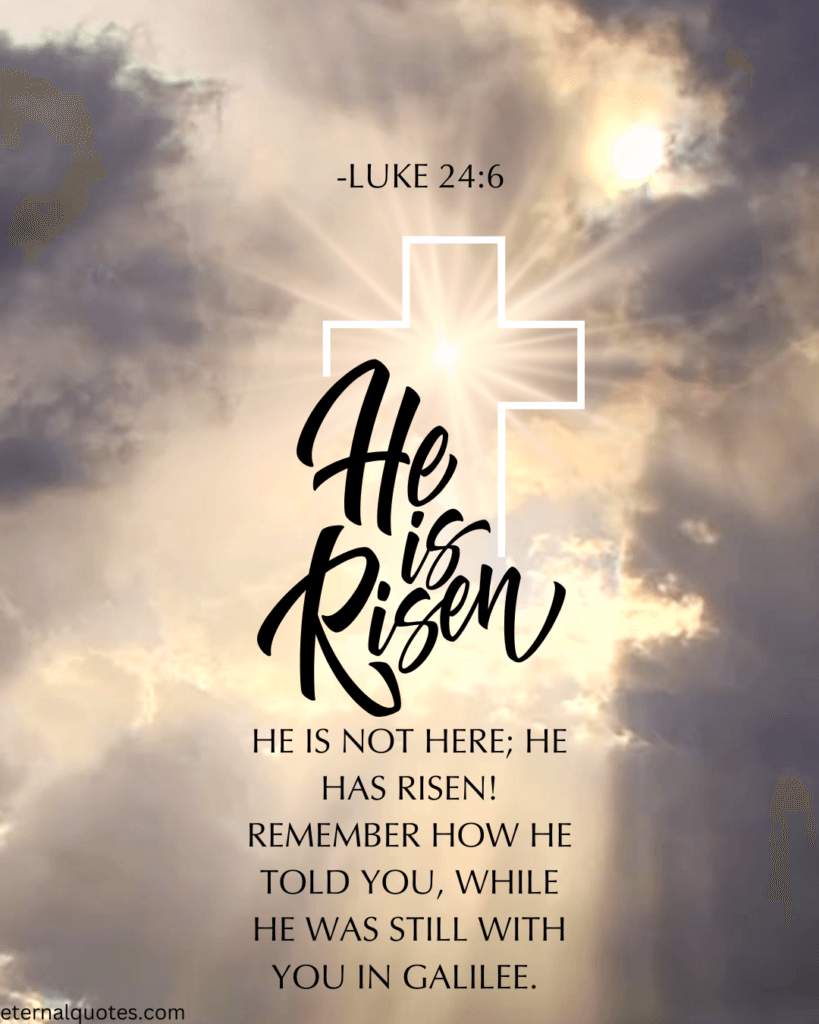
Because He lives, I can face tomorrow. – Bill Gaither
Christ has risen from the dead, and by His death, He has overcome death, and brought life and immortality to light. – 2 Timothy 1:10
The resurrection of Jesus Christ is the most important event in human history. – Pastor Greg Laurie
Easter says you can put truth in a grave, but it won’t stay there. – Clarence W. Hall
Our Lord has written the promise of resurrection, not in books alone, but in every leaf in springtime. – Martin Luther
Jesus Christ did not come into this world to make bad people good, but to make dead people live. – Ravi Zacharias
The resurrection is the cornerstone of Christian faith – without it, our hope crumbles. – Max Lucado
In the resurrection, Christ not only conquered death but gave us hope beyond the grave. – Charles Stanley
Apart from the resurrection, Christianity is nothing more than a pleasant myth. – John R.W. Stott
Through Christ’s resurrection, we are born again to a living hope. – 1 Peter 1:3
Looking for Good K-Beauty?
MISSHA has a huge range of Korean skincare and makeup, including some seriously popular bestsellers.
Redemption and Sacrifice
Redemption is a tender word because it speaks to what has been lost, damaged, or burdened. It suggests that failure and brokenness are not the end of the story. In the Christian imagination, sacrifice is not empty suffering. It is love willing to bear cost for the sake of restoring what would otherwise remain separated.
There is something humbling about the idea that love would move toward human weakness instead of away from it. It challenges the instinct to measure worth by perfection or strength. Sacrifice, in this sense, is not about spectacle but about nearness. It is about a love willing to step into pain rather than leave people alone inside it.
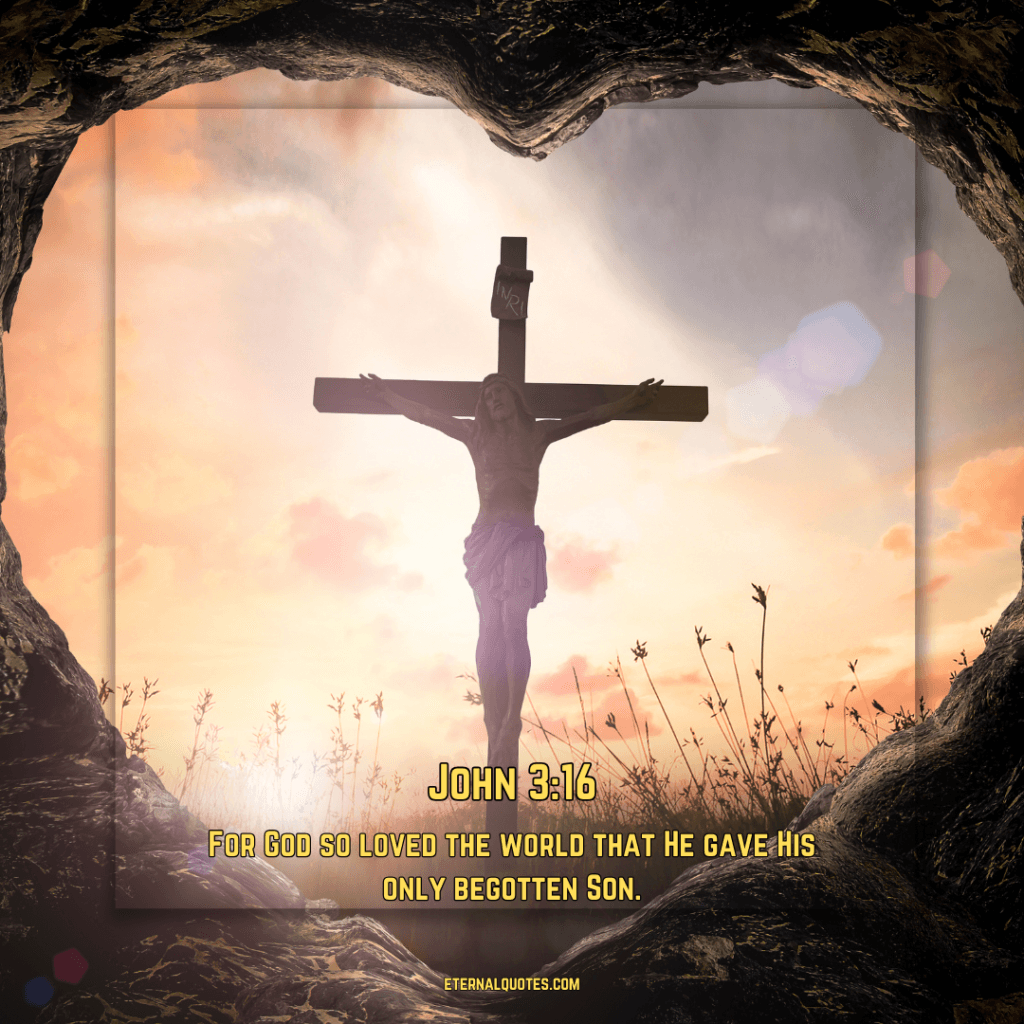
Greater love has no one than this: to lay down one’s life for one’s friends. – John 15:13
Christ died for our sins, once for all, the righteous for the unrighteous. – 1 Peter 3:18
By His wounds, we are healed. – Isaiah 53:5
In Him we have redemption through His blood, the forgiveness of sins. – Ephesians 1:7
God demonstrates His own love for us in this: While we were still sinners, Christ died for us. – Romans 5:8
The cross is the ultimate demonstration of God’s love for humanity. – Billy Graham
Christ’s sacrifice bridges the gap between humanity and divinity. – Rick Warren
Every sin was nailed to the cross with Jesus. – Max Lucado
Redemption is not just forgiveness, but restoration of our relationship with God. – Timothy Keller
Through Christ’s sacrifice, we are reconciled to God. – 2 Corinthians 5:18
Faith and Renewal
Faith and renewal often grow together in quiet ways. Faith steadies the heart when nothing looks settled yet, and renewal begins in that small act of trust. It rarely arrives all at once. More often it unfolds slowly, almost gently, as a person learns to keep going with open hands.
Renewal also asks for honesty. It usually begins when someone stops pretending to be self-sufficient and makes room for grace, change, and dependence. That can feel vulnerable at first, but it also brings relief. There is peace in realizing that starting again does not always require having everything figured out.
Faith is the substance of things hoped for, the evidence of things not seen. – Hebrews 11:1
I can do all things through Christ who strengthens me. – Philippians 4:13
Trust in the Lord with all your heart and lean not on your own understanding. – Proverbs 3:5
Faith overcomes the world and all of its challenges. – D.L. Moody
Every morning is a chance to renew your hope in God’s promises. – Charles Spurgeon
Faith sees the invisible, believes the incredible, and receives the impossible. – Corrie Ten Boom
Renewal begins when we surrender completely to God. – Beth Moore
Our faith is not based on empty hope, but on the risen Christ. – Lee Strobel
God’s mercies are new every morning. – Lamentations 3:22-23
In Christ, we are constantly being transformed from glory to glory. – 2 Corinthians 3:18
Divine Love
Divine love is different from the love people often experience in ordinary life. It is not unstable, withdrawn, or dependent on performance. It remains present even where there is failure, doubt, or fear. That constancy is part of what makes it so comforting and so difficult to fully grasp.
To think of love as something rooted in the nature of God gives it a depth beyond emotion alone. It becomes something steady, patient, and unearned. For many people, that is where healing begins. Being loved in that way softens the places shaped by shame, striving, or the fear of being left behind.
I have loved you with an everlasting love. – Jeremiah 31:3
Perfect love casts out all fear. – 1 John 4:18
Nothing can separate us from the love of God. – Romans 8:38-39
The Lord’s love never ends, His mercies never cease. – Lamentations 3:22
God’s love pursues us with a relentless passion. – Phillip Yancey
Love is not just something God does, it’s who He is. – John Piper
Divine love transforms hearts and redeems souls. – Francis Chan
God’s love is relentless, pursuing us even in our brokenness. – Brennan Manning
We love because He first loved us. – 1 John 4:19
His love is not conditional, but unconditional and eternal. – Tony Evans
Victory Over Darkness
Victory over darkness does not mean darkness was never real. It means fear, evil, despair, and death are not given ultimate authority. That distinction matters. A faith that speaks honestly about darkness without surrendering to it carries a different kind of strength.
Many people know what it feels like to walk through inner or outer shadows that seem to press in on every side. The Easter story meets that experience with the claim that light is more enduring than night. Not always faster, and not always easier, but deeper and more lasting. That kind of victory feels less like triumphalism and more like perseverance with holy substance behind it.
O death, where is your sting? O grave, where is your victory? – 1 Corinthians 15:55
The light shines in the darkness, and the darkness has not overcome it. – John 1:5
If God is for us, who can be against us? – Romans 8:31
You are from God, little children, and have overcome them. – 1 John 4:4
The resurrection is God’s decisive victory over the powers of darkness. – N.T. Wright
Hope rises with the resurrection, conquering all despair. – Max Lucado
In Christ, we are more than conquerors. – Romans 8:37
Darkness cannot comprehend the light of Christ. – Augustine of Hippo
The power that raised Christ from the dead lives in us. – Ephesians 1:19-20
Victory belongs to those who persevere in faith. – Charles Spurgeon
Spiritual Transformation
Spiritual transformation is rarely dramatic in the way people imagine. Much of the time it happens through slow changes in thought, desire, response, and attention. A person begins to notice they are no longer reacting in the same old way. Something inside has started to become softer, clearer, and more rooted.
That kind of change usually requires patience. It involves being shaped over time rather than remade overnight. There are setbacks, repetitions, and moments when progress feels invisible. Even so, a steady inner work can be unfolding beneath the surface in ways that only become clear later.
Be transformed by the renewing of your mind. – Romans 12:2
God can restore what is broken and change it into something amazing. – Joel 2:25
We are being changed into His image with ever-increasing glory. – 2 Corinthians 3:18
The old has gone, the new has come. – 2 Corinthians 5:17
Transformation is the work of the Holy Spirit in our lives. – J.I. Packer
Spiritual growth is a journey of continuous surrender. – Sarah Young
Transformation happens when we allow God to work in us. – Rick Warren
True change comes from within, through Christ’s transformative power. – A.W. Tozer
We are clay in the Potter’s hands, constantly being shaped. – Jeremiah 18:6
Every day is an opportunity for spiritual renewal. – Charles Stanley
Promise of Eternal Life
The promise of eternal life has always touched one of the deepest human questions. People do not only wonder how to live, but what life means in the face of death. Easter speaks into that place with an answer rooted in relationship, not mere continuation. It presents eternity as something richer than duration alone.
There is comfort in the thought that life is not limited to what can be seen, measured, or lost here. That does not remove grief, but it changes its horizon. It allows sorrow to exist beside expectation rather than swallowing it whole. For many believers, this promise gives shape to courage, patience, and peace.
I am the resurrection and the life. – John 11:25
In my Father’s house are many rooms. I go to prepare a place for you. – John 14:2
Whoever believes in me will have eternal life. – John 6:47
The gift of God is eternal life through Jesus Christ. – Romans 6:23
Eternal life is knowing God intimately, not just existing forever. – R.C. Sproul
Heaven is not a reward for good behavior, but a gift of grace. – Max Lucado
Our citizenship is in heaven. – Philippians 3:20
Eye has not seen, nor ear heard, the promises God has prepared. – 1 Corinthians 2:9
Life beyond this world is more real than we can imagine. – C.S. Lewis
The promise of eternal life transcends our current understanding. – Tim Keller
Mercy and Grace
Mercy and grace are often spoken together because they both address the places where human effort runs out. Mercy meets guilt without crushing it. Grace gives what has not been earned. Together they create a vision of God that is both holy and deeply compassionate.
For many people, these ideas are not abstract theology but a source of daily relief. They speak to regret, weakness, and the quiet knowledge that no one holds themselves together perfectly. Grace allows a person to be honest without despair. Mercy allows them to believe they are not abandoned in that honesty.
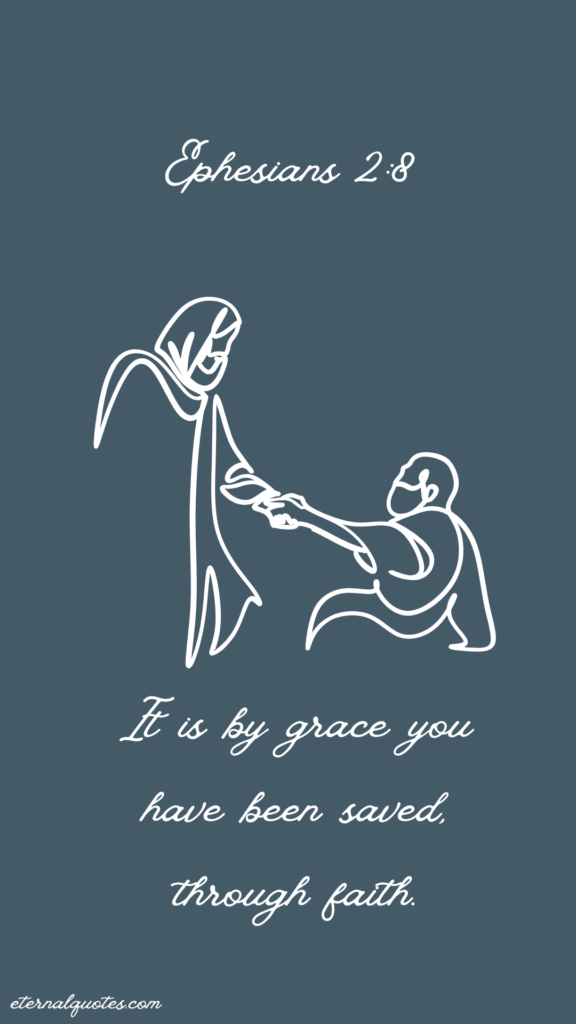
Let us then approach God’s throne of grace with confidence. – Hebrews 4:16
The Lord’s mercy is new every morning. – Lamentations 3:22-23
God’s grace is sufficient for you. – 2 Corinthians 12:9
Mercy triumphs over judgment. – James 2:13
Where sin increased, grace increased all the more. – Romans 5:20
Grace is the free and boundless favor of God. – Jerry Bridges
God’s grace is bigger than our mistakes. – Warren Wiersbe
Every day is a demonstration of God’s unmerited favor. – Tony Evans
Grace meets us exactly where we are, but doesn’t leave us there. – Max Lucado
The cross is the ultimate demonstration of both justice and mercy. – R.C. Sproul
Worship and Praise
Worship and praise are not only public acts or familiar songs. At their heart, they are ways of turning attention toward what is greater than the self. That shift can be powerful. It loosens the grip of anxiety, ego, and the constant pressure to manage everything alone.
Praise also carries a certain freedom. It allows gratitude to rise even when circumstances are imperfect, and that changes the atmosphere inside a person. Worship does not deny struggle. It places struggle in a larger presence, where trust and reverence begin to reshape how it is held.
Shout for joy to the Lord, all the earth. – Psalm 100:1
Let everything that has breath praise the Lord. – Psalm 150:6
Sing to the Lord a new song, for He has done marvelous things. – Psalm 98:1
Worship is our response to God’s revelation of Himself. – A.W. Tozer
Praise is the language of heaven. – Matt Redman
True worship transforms the worshipper. – John Piper
God inhabits the praises of His people. – Psalm 22:3
Worship turns our focus from our problems to God’s power. – David Jeremiah
In His presence is fullness of joy. – Psalm 16:11
Authentic praise is the heartbeat of a transformed life. – Steven Furtick
Hope and Restoration
Hope and restoration belong together because hope is often what keeps a person open to healing before healing is visible. Restoration rarely begins with certainty. It starts with the small refusal to believe that ruin is all that remains. That refusal can be fragile, but it is often enough to carry someone through the next step.
Restoration also has a patient quality to it. What has been damaged does not always return in the same form or on the same timeline a person would choose. Yet there is dignity in slow rebuilding. The Easter story gives that process meaning by showing that loss can be met by a life-giving power stronger than despair.
God can turn your mourning into dancing. – Psalm 30:11
He makes all things new. – Revelation 21:5
Plans to prosper you and not to harm you, plans to give you hope and a future. – Jeremiah 29:11
What the enemy meant for evil, God can turn for good. – Genesis 50:20
God is in the business of restoration and redemption. – Christine Caine
Hope is confident expectation based on God’s promises. – Charles Swindoll
God can rebuild what is broken beyond human repair. – Joni Eareckson Tada
Every setback is an opportunity for God’s supernatural intervention. – Joyce Meyer
The God of all grace will restore you. – 1 Peter 5:10
Where God guides, He provides and restores. – Henry Blackaby
What Easter Leaves in the Heart
Easter stays with people because it speaks to the places in life that feel most fragile. It does not build its meaning on ease, but on love moving faithfully through suffering and out the other side. That is why its message continues to feel so alive. It reaches people not only in celebration, but in exhaustion, grief, and the quiet need to begin again.
There is something deeply steadying about a season that holds both sacrifice and renewal together. It reminds people that pain can be real without being final. That truth does not erase hardship, but it changes its shape. It allows a person to keep some tenderness and trust even when life has given them reasons to close off.
The beauty of Easter is that it speaks to ordinary life as much as sacred memory. It reaches into the hidden places where people wrestle with regret, longing, fear, and hope. It invites a different posture toward all of it – less defended, more open, more willing to believe that grace may still be at work. That invitation feels especially meaningful in a world that so often rewards hardness and speed.
For many, Easter becomes a quiet anchor rather than a passing observance. It offers a way to understand love as something stronger than failure and more enduring than loss. That kind of vision can slowly reshape the way a person sees themselves, others, and the future. Even small shifts in that direction can have lasting depth.
It also leaves behind a certain gentleness. Not weakness, but a softer kind of strength that no longer needs to force everything into certainty. Easter makes room for mystery, for waiting, and for trust that grows without spectacle. In that way, it teaches patience with the unfinished parts of life.
What remains in the end is not only the memory of an event, but the shape of a promise. Love has not withdrawn. Mercy has not run dry. Hope has not become foolish. And somewhere beneath all the noise and strain of life, something living still rises.