Just so you know – some links on this page are affiliate links. If you click and buy something, I may earn a small commission (think coffee money, not a luxury vacation) at no extra cost to you. I only share things I genuinely like and believe are worth it. Thanks for supporting this little corner of the internet – it really helps keep everything running.
Trust is earned, not given. And if you’ve been burned enough times, you learn to protect yourself by keeping your guard up, your circle small, and your expectations even smaller. Trust no one isn’t about being cold or cynical – it’s about being smart, cautious, and protecting your peace at all costs.
The world will teach you harsh lessons about trust. People you thought were loyal will betray you. Friends you trusted will disappoint you. Promises made will be broken without explanation. And after enough betrayals, you stop being surprised and start being selective about who gets access to your truth.
Trusting no one doesn’t make you bitter – it makes you wise. It means you’ve learned that people change, words are cheap, and actions are the only real currency of trust. It means you’ve been hurt enough to know that self-protection isn’t paranoia, it’s survival.
Some call it trust issues. Others call it pattern recognition. When people repeatedly show you who they are through their actions, believing them isn’t pessimism – it’s intelligence.
These words aren’t about closing your heart forever – they’re about opening your eyes completely. They’re about understanding that the safest person to trust is yourself, and everyone else needs to earn that privilege through consistent action, not empty promises.
The Reality of Trust
Trust sounds simple until life starts testing it. In the beginning, it often feels natural to believe what people say and assume their intentions are good. Over time, experience adds weight to that belief, and you begin to see the difference between what people promise and what they actually do.
Reality doesn’t always make you cynical, but it does make you more aware. You stop trusting blindly and start paying attention. Not because you expect the worst, but because you’ve learned that trust without awareness comes at a cost.
Trust no one, tell your secrets to nobody, and no one will ever betray you.
The less you trust, the less you’ll be disappointed – harsh truth, necessary protection.
Everyone is loyal until they have a reason not to be – trust actions, not words.
Trust is like paper – once it’s crumpled, it can never be perfect again.
Never trust anyone too much – even your shadow leaves you in darkness.
People change, priorities shift, loyalty fades – trust no one blindly.
Trust is expensive, loyalty is priceless, and betrayal is cheap – choose wisely.
The saddest thing about betrayal is that it never comes from enemies – it comes from those you trusted.
Trust yourself first – everyone else is optional and should prove themselves worthy.
Never make someone a priority when they only make you an option – trust that reality.
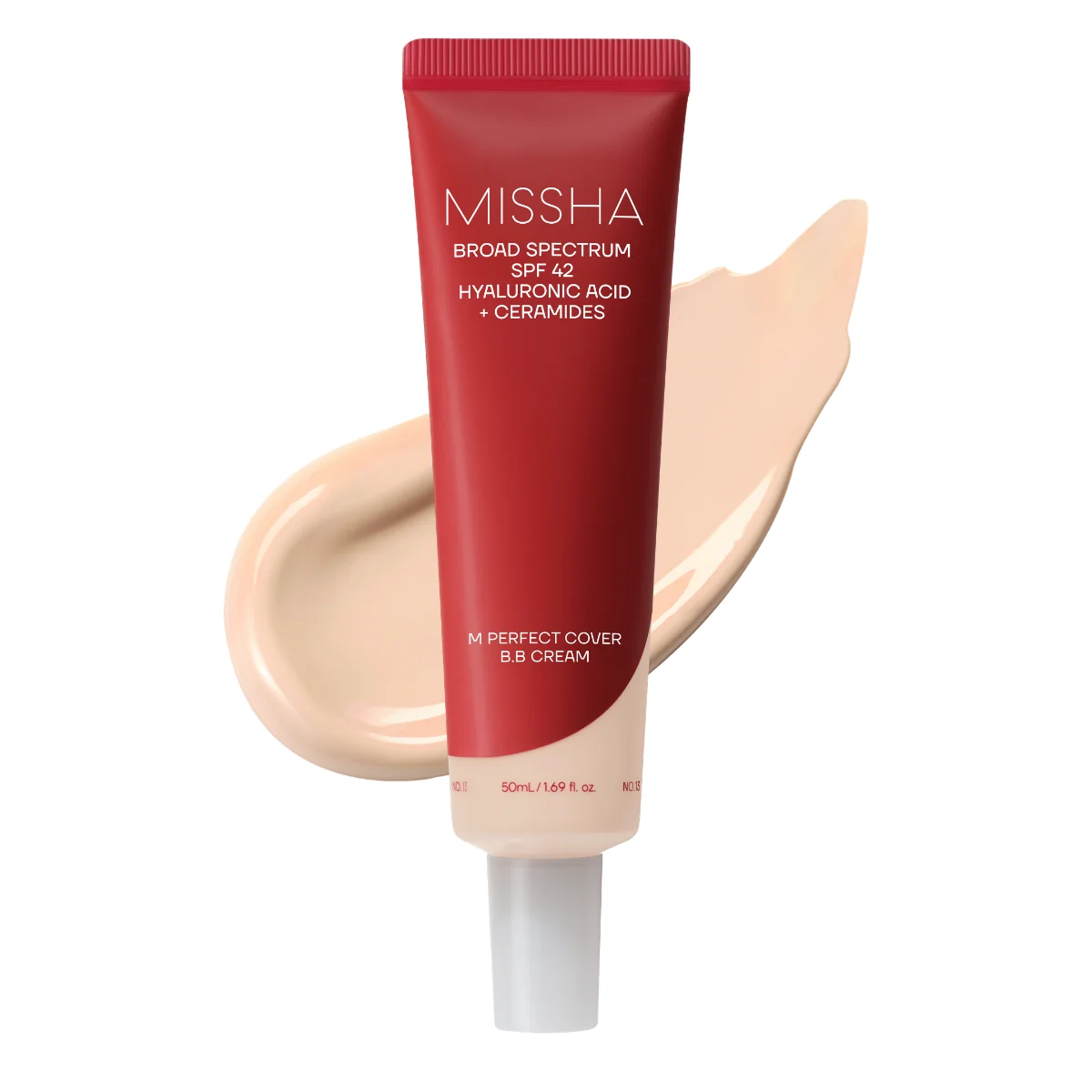
K-Beauty Favorite: MISSHA BB Cream
Lightweight coverage with SPF 42, hyaluronic acid & ceramides — backed by 3,000+ reviews.
View BB CreamBetrayal and Disappointment
Betrayal doesn’t always come loudly. Sometimes it shows up quietly, in small broken promises or subtle shifts in behavior that you try to ignore at first. Disappointment builds slowly, until one moment makes everything clear.
After enough of those moments, you begin to understand that trust should never be based on hope alone. It needs proof, consistency, and time. Without that, it’s just risk disguised as faith.
Betrayal never comes from enemies – it comes from people you never expected.
Trust no one until they’ve proven they deserve it – words mean nothing without action.
People will stab you in the back and then ask why you’re bleeding – trust their character, not their words.
Everyone has an agenda – protect yourself by trusting no one’s motives completely.
The person who broke you can’t be the one to fix you – trust yourself to heal.
Fake friends are like shadows – they follow you in the sun but leave you in the dark.
Trust no one who says they’ll never hurt you – everyone has the capacity to disappoint.
Disappointment is what happens when you trust the wrong people with real expectations.
Some people aren’t loyal to you, they’re loyal to their need of you – once their need changes, so does their loyalty.
Never trust someone who doesn’t trust you – reciprocity matters in everything, especially trust.
Self-Reliance
When trust in others becomes uncertain, you naturally begin to turn inward. Self-reliance isn’t about pushing people away, it’s about knowing you can stand on your own when things fall apart.
There is a quiet strength in realizing that even if everything around you shifts, you remain steady. Trusting yourself becomes less of a choice and more of a necessity, and over time, it becomes your foundation.
Trust yourself – you’ve survived every bad day so far, and you’ll survive the next ones too.
Be your own hero – nobody’s coming to save you, and that’s actually empowering.
Self-reliance isn’t loneliness – it’s freedom from depending on unreliable people.
Trust yourself enough to walk alone rather than with people who will eventually leave you stranded.
The moment you learn to be happy alone is the moment you stop needing people who keep disappointing you.
You are your own longest commitment – trust yourself before anyone else.
Independence is earned by trusting yourself more than you trust anyone else’s promises.
The strongest people are those who’ve learned to rely on themselves after others let them down.
Trust your own judgment – it’s been right about people far more often than you gave it credit for.
When you trust yourself, you don’t need validation from people who barely know their own truth.
Protecting Your Peace
Peace becomes more valuable once you’ve experienced chaos caused by the wrong people. You begin to realize that not everyone deserves access to your thoughts, your energy, or your life.
Protecting your peace isn’t about isolation. It’s about boundaries. It’s about understanding that your mental and emotional space is something you are responsible for, not something others can be trusted to handle carefully.
Keep your circle small and your peace protected – not everyone deserves access to your energy.
Protect your mental health like your life depends on it – trust no one to prioritize it but you.
The less people know about you, the less they can use against you – privacy is power.
Trust no one enough to let them have power over your emotional wellbeing.
Boundaries exist because not everyone deserves unlimited access – trust this truth.
Your peace is priceless – don’t trust it to people who’ve proven they can’t handle it carefully.
Silence is golden when you can’t trust who’s listening – protect your peace by sharing less.
Trust yourself to know when someone is draining your energy and walk away without explanation.
Not everyone needs to know your business – privacy is protection when you trust no one fully.
The safest place for your peace is within yourself – trust no one else to guard it.
Reading People
Over time, you start noticing patterns. Not the things people say when everything is easy, but the things they do when it isn’t. That is where truth tends to reveal itself.
Reading people becomes less about guessing and more about observing. You watch consistency, behavior, and small details. And the more you pay attention, the clearer everything becomes.
Watch their actions when they think no one is watching – that’s who they really are, trust it.
People tell you who they are through their actions – believe them the first time.
Trust your gut – it’s never wrong about people, even when your heart wants to be blind.
The eyes never lie – watch how people treat others when they think you’re not paying attention.
Trust what people do, not what they promise – intentions fade but patterns persist.
If someone shows you their true colors, don’t try to repaint them – trust what you’ve seen.
Pay attention to how people act when they need something versus when they don’t – trust the difference.
Actions always reveal truth – trust what people do over what they say every single time.
Your intuition knows things your mind hasn’t figured out yet – trust it when it warns you.
People reveal themselves in time – trust the process of watching and learning before committing.
Loyalty is Rare
Loyalty is one of the most talked about qualities, but one of the least consistently shown. It’s easy to claim it when nothing is being tested. It’s much harder to prove it when situations become uncomfortable or inconvenient.
That’s why loyalty reveals itself over time. Not in words, but in presence, in consistency, and in the way someone chooses to stay when leaving would be easier.
Real loyalty doesn’t need to be announced – trust people who show up consistently, not those who just talk about it.
Everyone claims loyalty until it’s tested – trust only those who’ve proven it under pressure.
Loyalty is earned through consistent action, not declared through empty words.
True loyalty is tested when you have nothing to offer – trust those who stay when you’re down.
Don’t confuse loyalty with dependency – people stay for different reasons, trust the motive.
Loyalty should be reciprocal – if you’re the only one showing it, trust that you’re being used.
The problem with loyalty is people confuse it with stupidity – trust wisely, not blindly.
Test loyalty through action, not words – anyone can claim it, few can prove it.
Loyalty is a two-way street – if you’re walking alone, trust that you’re on the wrong road.
Never mistake presence for loyalty – some people are just around until something better comes along.
Keep Your Guard Up
Keeping your guard up isn’t about shutting people out completely. It’s about understanding that access to you should be earned, not assumed. It creates a space where trust can develop naturally instead of being given too quickly.
Experience builds those walls for a reason. Not to isolate you, but to protect what matters. And trusting that instinct is part of learning from everything you’ve already been through.
Stay alert, stay protected, trust cautiously – the world is full of wolves in sheep’s clothing.
Your vulnerability is not for everyone – trust no one with your softest parts until they’ve earned it.
Keep your circle tight and your guard up – trust is expensive and most people can’t afford the price.
Don’t be so open that people can walk in and out of your life freely – trust earns access.
Protection isn’t paranoia when you’ve been burned before – trust your experience over hope.
Stay guarded until actions prove consistency – trust slowly, protect yourself always.
Not everyone who smiles at you is your friend – trust behavior over friendly faces.
Keep your private life private – not everyone needs details, and fewer people deserve them.
Your guard exists for a reason – trust the walls you’ve built, they’re protecting something valuable.
Being cautiously selective isn’t being cold – it’s being smart after learning hard lessons.
Trusting Actions Only
Words can be convincing, but they don’t hold weight without action behind them. Over time, you learn that consistency matters more than promises, and patterns matter more than intentions.
Trust built on action doesn’t need constant reassurance. It proves itself quietly, through repetition and reliability. And once you see that difference, it’s hard to ignore it again.
Words are wind, actions are proof – trust only what you can see consistently.
Talk is cheap, action is expensive – trust those willing to pay the price.
Don’t trust potential, trust proven track records – actions over time reveal truth.
Anyone can say anything – trust only those whose actions back up their words repeatedly.
Actions speak louder than words – and if someone’s actions are silent, trust that message too.
Trust people whose actions match their words – the gap between the two is where deception lives.
What people do when they think you’re not looking is who they really are – trust that version.
Consistent action builds trust, inconsistent words destroy it – pay attention to the pattern.
If their actions don’t match their words, trust the actions and ignore the noise.
Show me through action, not words – trust is built by doing, not by saying.
Learning the Hard Way
Some lessons only stick when they hurt. Trust is often one of them. You don’t fully understand its value or its risks until you’ve seen what happens when it’s misplaced.
Those experiences don’t make you weak. They make you aware. And that awareness becomes something you carry forward, shaping how you move, who you trust, and how quickly you let people in.
I learned to trust no one the hard way – through betrayals I never saw coming.
Life’s hardest lessons come from trusting the wrong people – now I trust cautiously or not at all.
Every betrayal was a lesson in trust – I’m a slow learner but I eventually got the message.
The more I trusted, the more I got hurt – now I trust myself and verify everyone else.
Hard lessons taught me that trust is earned through time and action, not given freely.
I used to trust too easily – life corrected that naivety through painful but necessary lessons.
Every person who betrayed me taught me something valuable – to trust no one without proof.
Trust issues aren’t created from nothing – they’re earned through consistent disappointment from others.
The hard way is often the only way some of us learn – trust slowly, protect yourself always.
I don’t have trust issues, I have trust experience – and experience taught me caution.
Trusting Yourself Most
At the end of everything, the one constant is you. When people come and go, when promises change, and when expectations fall apart, your relationship with yourself is what remains steady.
Trusting yourself doesn’t mean you stop connecting with others. It means you stop depending on them to define your stability. You become your own foundation, and everything else becomes a choice, not a necessity.
Trust yourself to handle whatever comes – you’ve survived 100% of your worst days so far.
When everyone else fails you, you still have you – trust yourself above all others.
Self-trust is the foundation – everything else is just optional additions to your life.
Trust your own judgment over anyone’s opinion – you know your truth better than they ever will.
The relationship with yourself is the only one guaranteed to last – trust yourself first, always.
You are the only constant in your own life – trust yourself to show up when others won’t.
Trusting yourself means knowing you’ll be okay regardless of who stays or leaves.
Self-trust is recognizing your own strength, resilience, and ability to survive anything.
The moment you fully trust yourself, you stop needing to fully trust anyone else.
You’ve got you, and that’s more reliable than any promise someone else could make.
Trust Smart, Not Blind
Being careful with trust doesn’t mean shutting yourself off from the world. It means moving with awareness instead of assumption. It means giving people the opportunity to prove themselves, but not giving them blind access before they’ve earned it.
There is a balance between openness and protection. And finding that balance is what turns experience into wisdom. You don’t stop trusting completely, you just stop giving it away without reason.
Protecting yourself isn’t pessimism – it’s clarity. Setting boundaries isn’t cold – it’s necessary. And choosing who deserves your trust is one of the most important decisions you make for your peace.
Trust yourself first. Protect yourself always. And let everyone else show you, through time and action, whether they deserve a place in your life.
Because trust isn’t something you owe to anyone. It’s something they earn.