Just so you know – some links on this page are affiliate links. If you click and buy something, I may earn a small commission (think coffee money, not a luxury vacation) at no extra cost to you. I only share things I genuinely like and believe are worth it. Thanks for supporting this little corner of the internet – it really helps keep everything running.
Latina identity is often spoken about in broad, simplified terms, but real life never moves that neatly. It is shaped by memory, migration, language, class, family history, and the quiet negotiations that happen every day. For many women, it means learning how to carry more than one world at once without letting either one disappear. That balance can feel heavy, but it can also become a source of deep inner steadiness.
There is pride in knowing where you come from, even when that knowledge is layered with contradiction. Heritage can hold beauty and pain side by side, and both remain part of the truth. A person may inherit stories of tenderness, sacrifice, struggle, and endurance all in the same breath. Over time, those stories settle into the body and shape how someone stands, loves, works, and protects what matters.
To be Latina can also mean living with expectation from many directions at once. There may be pressure to stay close to tradition while also moving forward, to remain soft while becoming strong, to succeed without seeming too proud, and to adapt without losing yourself. That tension is familiar to many women who have learned to read a room quickly and carry themselves carefully. It asks for strength, but also for clarity about what is worth keeping and what no longer needs to be carried.
Family often sits near the center of that experience, not only as comfort but as responsibility. Love can be generous and grounding, yet it can also come with roles that feel fixed long before a woman has had the chance to define herself. Even so, there is something deeply human in belonging to people who know your history before you speak it out loud. That kind of closeness can leave a lasting mark on the way identity is formed.
Culture also lives in ordinary details that do not always look dramatic from the outside. It lives in how names are pronounced, in the foods that mark time, in the habits passed down without explanation, and in the instinct to make room for others even when space is limited. These small things are not minor at all. They become part of how dignity is preserved across generations.
For many Latinas, self-definition is not a single decision but an ongoing act. It happens in public and in private, in moments of confidence and in moments of doubt, in the language used at work and the one that returns at home. Identity keeps deepening as life moves forward. What remains constant is the sense that being fully yourself is not something to apologize for.
Heritage and Roots
Roots are rarely simple. They stretch through places, losses, names, and memories that do not always line up neatly, yet they still form a living foundation. A woman may know herself through stories told at the kitchen table, through what was preserved, and through what had to be left behind. Even when the details are incomplete, the feeling of belonging to something older remains.
Heritage often shows up less as a fixed definition and more as a way of carrying life. It can live in gesture, prayer, discipline, humor, and the instinct to keep going through uncertainty. Many people come to understand their roots more deeply as they grow older and begin to see how much of the past still moves quietly through the present. What was handed down does not disappear just because the world changes around it.
I am the granddaughter of women who crossed borders with dreams bigger than their suitcases and hearts stronger than fear.
I carry the blood of Aztec princesses and Spanish conquistadors, and I honor both sides of my story.
From Borinquen to Aztlán, from the Amazon to the Andes, my roots spread across continents of power.
My surname carries the weight of generations who picked cotton, cleaned houses, and built dreams with calloused hands.
I am the descendant of guerreras who fought with machetes and prayer beads, never surrendering their dignity.
The corridos my abuelo sang weren’t just songs – they were history lessons wrapped in melody and memory.
My DNA holds the secrets of curanderas who healed with herbs and the wisdom of indigenous medicine.
I am proof that la Raza doesn’t just survive – we thrive, multiply, and change the world.
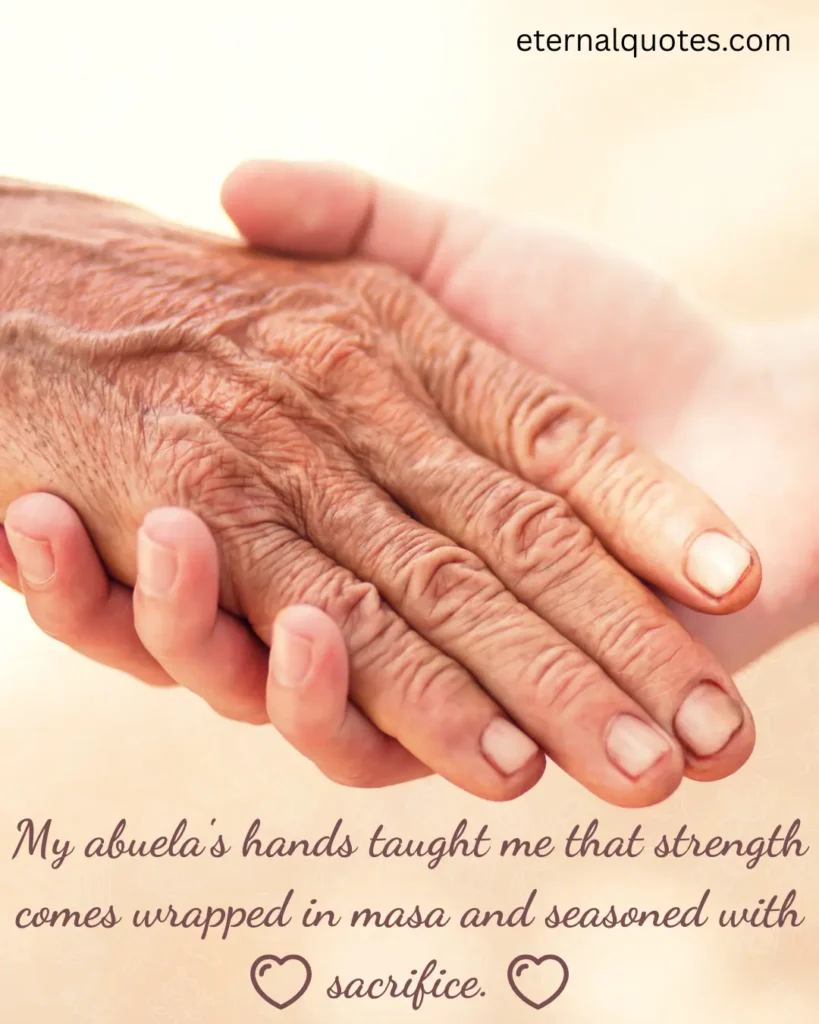
Every scar on my abuela’s hands tells a story of survival that lives in my determination today.
My heritage flows through my veins like café con leche – rich, warm, and impossible to separate.

K-Beauty Favorite: MISSHA BB Cream
Lightweight coverage with SPF 42, hyaluronic acid & ceramides — backed by 3,000+ reviews.
View BB CreamResilience and Strength
Strength is often talked about as if it were loud, visible, and easy to recognize. In reality, much of it is built in quieter ways through repetition, sacrifice, restraint, and the decision to continue after disappointment. A strong life is not always one that looks polished from the outside. Sometimes it is simply a life that refused to collapse under pressure.
Resilience also has a cost, and it deserves to be understood honestly. Many women become strong because they had to learn quickly, adapt often, and carry more than they should have been asked to carry. Still, there is dignity in what survives that process without becoming numb or hard beyond repair. Real strength leaves room for tenderness as well as endurance.
I survived like the nopal cactus – thriving in the desert while others wither, beautiful and dangerous with my thorns intact.
They called me illegal, but I made myself indispensable, proving that borders can’t contain determination.
My mami cleaned toilets so I could sit at boardroom tables, and I never forget the price of this privilege.
I carry mace in one hand and milagros in the other, trusting in both protection and prayer.
From the barrio to the boardroom, I code-switch like a warrior changing armor for different battles.
I learned to be my own chingona when the world tried to convince me I needed saving.
My strength was forged in swap meets and second jobs, in ESL classes and night school dreams.
I don’t just break cycles – I obliterate them with the fury of a woman who refuses to pass trauma to her daughters.
They underestimated la mujer who speaks with an accent but thinks in three languages and calculates in dollars and pesos.
I am not just resilient – I am anti-fragile, getting stronger every time they try to break me.
Family and Community
Family can be a place of closeness so deep it shapes the rhythm of a person’s whole life. It teaches responsibility, memory, loyalty, and the unspoken rules that govern how love is given and received. In many homes, care is not treated as an abstract value but as something practical and constant. It is expressed through food, advice, worry, prayer, and presence.
Community grows from that same instinct to remain connected. It is built through neighbors, relatives, family friends, and the people who step in without needing to be asked twice. That kind of shared life can feel intense, but it also creates a powerful sense of belonging. A person learns early that she is part of something larger than herself.
Sunday dinners at abuela’s house are mandatory, sacred, and where all family business gets settled over frijoles.
I learned to love fiercely from tías who fought your battles and then fed you afterwards.
Our chancla-wielding madres raised warriors disguised as daughters, and we carry that power forward.
In our culture, your success belongs to the whole family, and your failures are shared burdens we carry together.
La familia que reza unida, permanece unida – and we pray in Spanish because God understands our corazón better that way.
I was raised by a village of comadres who taught me that loyalty is both a gift and a responsibility.
Our children don’t just belong to their parents – they belong to every tía, primo, and neighbor on the block.
Family reunions aren’t just parties – they’re strategic planning sessions for the next generation’s success.
The love of a Latina mother is bulletproof, bilingual, and backed by the prayers of every saint in heaven.
Mi gente taught me that home isn’t a place – it’s anywhere your family gathers to laugh, cry, and eat too much.
Dreams and Ambitions
Ambition is often misunderstood when it comes from women who have been taught to make themselves useful before visible. It can look like discipline, patience, and years of quiet effort before anyone recognizes what is being built. The desire to do well is not always about status. Sometimes it is about relief, freedom, and the chance to live without the same limits that shaped earlier generations.
Dreams also carry the weight of context. They are influenced by what was possible for the women who came before, what was denied to them, and what still feels fragile even after progress has been made. For many people, success is never entirely individual. It remains tied to family, memory, and the hope that one life can widen the path for others.
I chase success in stilettos and speak power in both Spanish and English, code-switching between worlds like a boss.
My diploma hangs next to my abuela’s green card because both represent generational victories.
I don’t just want to be successful – I want to be the Latina CEO that little girls see and think, “She looks like me.”
My business plan includes giving back to la comunidad because success without service is just selfishness.
I hustle like my ancestors who sold tacos from food trucks to buy houses and build legacies.
My goals aren’t just personal – they’re reparations for every woman who cleaned other people’s houses so I could own my own.
I network in Spanish and negotiate in English, proving that bilingual minds think in multiple dimensions of possibility.
My ambition is fueled by the memory of my mami’s hands bleeding from factory work and her prayers for my future.
I don’t just want a seat at the table – I want to build my own mesa where other mujeres can feast.
Every milestone I reach is dedicated to the women who died with dreams still locked in their hearts.
Cultural Pride
Cultural pride is not always loud or performative. Often it lives in the ordinary refusal to treat your background as something that needs to be softened, translated, or made more comfortable for other people. It shows up in how a person speaks, cooks, dresses, remembers, and protects the meaning of what she inherited. That kind of pride does not depend on approval.
To feel rooted in culture is to understand that identity is carried through practice as much as through labels. It survives because people keep returning to it in daily life, even while moving through spaces that were not built with them in mind. There is steadiness in that return. It becomes a way of saying that what shaped you still has value, even in a world that often rewards forgetting.
I salsa dance in boardrooms and speak business in the language of passion and precision.
My accent isn’t a flaw – it’s proof that I’m brave enough to speak my truth in a foreign tongue.
Cinco de Mayo isn’t my high holy day – it’s just Tuesday in a life lived authentically Mexican every single day.
I don’t eat “ethnic” food – I eat the food of my ancestors, seasoned with love and blessed by tradition.
My quinceañera wasn’t just a party – it was a coronation ceremony for a future queen of her own destiny.
I wear red lipstick like war paint and gold jewelry like armor, honoring the indigenous queens in my bloodline.
My culture isn’t a costume I put on for Dia de los Muertos – it’s the daily practice of honoring those who came before.
I speak Spanglish fluently because some thoughts can only be expressed in the language of the bilingual soul.
My indigenous features aren’t “exotic” – they’re the face of this continent long before Columbus got lost.
I don’t need Hispanic Heritage Month to celebrate my culture – I live it, breathe it, and serve it every single day.
Beauty and Self-Love
Beauty becomes complicated when a person grows up surrounded by standards that were never made with her in mind. Over time, many women learn how deeply those standards can shape self-perception, even when they know better on an intellectual level. Unlearning that pressure takes time. It asks for a slower, more honest kind of self-regard.
Self-love is rarely a perfect or permanent state. More often, it is a practice of returning to the body with less judgment and more respect, especially after years of comparison or criticism. A woman may come to see that features once treated as flaws are tied to history, family, and belonging. What once felt like something to correct can begin to feel like something worth honoring.
I love my morena skin because it holds the memory of tropical suns and the strength of earth that endures everything.
My nalgas aren’t just curves – they’re geography lessons in the landscape of indigenous beauty standards.
I contour with the shadows of my ancestors and highlight with the light of my own self-worth.
My pelo malo is actually pelo magical, defying gravity and European beauty standards with equal rebellion.
I don’t need to be güerita to be beautiful – I am hermosa in the original language of my DNA.
My thick thighs and soft stomach tell the story of mujeres who survived famines and still found reasons to dance.
I wear bright colors because my ancestors painted their faces for war and celebration with equal pride.
My unibrow connects me to Frida Kahlo and every indigenous woman who refused to pluck her power away.
I smell like cocoa butter and determination, like gardenia perfume and the sweat of honest work.
My beauty isn’t Instagram-ready – it’s ancestrally approved and divinely designed for survival and triumph.
Leadership and Empowerment
Leadership does not begin when someone is finally given a title. It often starts much earlier, in the habits of responsibility, decision-making, care, and persistence that develop long before formal recognition arrives. Many women learn how to guide others in families, workplaces, and communities without anyone naming it as leadership. The work is real whether or not it is publicly rewarded.
Empowerment can sound abstract until it becomes practical. Then it looks like setting boundaries, making choices with more confidence, and understanding that authority does not have to be borrowed from someone else. A woman grows into power when she stops waiting for permission to trust her own judgment. From there, leadership becomes less about image and more about presence, accountability, and direction.
My leadership style was shaped by jefas who ran households on food stamps and faith, making miracles from nothing.
I don’t just lean in – I kick down doors and hold them open for the mujeres coming behind me.
My boardroom presence carries the authority of women who organized strikes in the fields and revolutions in the barrios.
I speak truth to power in the language of la lucha, seasoned with the salt of my ancestors’ tears and sweat.
My voice carries the echo of every woman who was silenced, and I will not waste this microphone.
I lead with consejos from my madrina and strategies learned in the school of hard knocks and harder work.
I don’t need a title to be a leader – I’ve been organizing my familia and mi comunidad since I could talk.
My power comes from being connected to something bigger than myself – la causa that drives our people forward.
I mentor young Latinas not just in professional skills, but in the art of staying true to yourself while climbing ladders.
I use my platform to amplify voices that sound like mine, because representation without multiplication is just tokenism.
Traditions and Celebration
Tradition gives shape to time. It turns ordinary dates into something felt and remembered, and it reminds people that celebration is not separate from survival. In many families, rituals are not preserved because they are quaint or nostalgic. They are kept alive because they continue to hold meaning.
Celebration also carries memory in a way few things can. Music, food, prayer, clothing, and shared customs create a sense of continuity that reaches beyond any single moment. Even when details shift from one generation to the next, the deeper impulse remains the same. People gather, remember who they are, and make that belonging visible again.
I make tamales at Christmas not just for tradition, but to keep my abuela’s hands alive in my kitchen.
Our quinceañeras aren’t just sweet fifteen parties – they’re indigenous coming-of-age ceremonies wrapped in Catholic tradition.
I dance to mariachi music like it’s my church, because some prayers can only be offered with movement and melody.
Our posadas aren’t just holiday celebrations – they’re community building exercises that strengthen our bonds.
I celebrate Las Mañanitas not just on birthdays, but any time someone needs to feel loved and honored.
Our dichos aren’t just sayings – they’re compressed wisdom passed down through generations of survival.
I honor La Virgen de Guadalupe not just as a religious figure, but as the indigenous mother who chose us.
Our quinceañera waltz isn’t just a dance – it’s a daughter stepping into her power while honoring her roots.
I cook mole from scratch because some traditions require time, patience, and the prayers of patient hands.
Our Grito isn’t just a shout – it’s the battle cry of a people who refuse to be conquered or forgotten.
Overcoming Challenges
Challenge shapes identity in ways that are not always visible from the outside. Some obstacles are public and obvious, while others are repetitive, private, and exhausting in a quieter way. A person may spend years learning how to navigate systems that were never designed to welcome her. Even so, adaptation can become a form of intelligence rather than defeat.
Overcoming hardship does not always mean leaving everything behind. Sometimes it means moving forward without severing yourself from your own history, even when others expect that kind of distance. There is strength in refusing shame, especially when shame has been used as a tool of control. The challenge is not only to survive difficulty, but to remain whole while doing it.

They tried to build walls to keep me out, but forgot that I come from people who built pyramids and civilizations.
I’ve been called wetback, spic, and illegal, but I answer to CEO, Doctor, and Señora – whatever title I’ve earned.
My ESL classes weren’t remedial education – they were advanced training in code-switching between worlds.
I learned to navigate welfare offices and immigration lawyers before I was old enough to drive, so I can handle anything.
They said my neighborhood was the wrong side of the tracks, but I used those same tracks to find my way out.
I survived quinceañera planning with my tías, so corporate project management is child’s play.
My credit score started from zero because I had no credit history, not because I was irresponsible with money.
I’ve been the only Latina in every room since high school, so isolation doesn’t break me – it motivates me.
They wanted me to feel ashamed of where I came from, but I turned my barrio background into my biggest advantage.
I overcame poverty not by forgetting where I came from, but by never letting anyone else forget who I am.
Fierce Identity
Identity becomes stronger when a person stops trying to flatten herself into something easier for others to understand. Most lives are made of contradiction, overlap, and change, and that complexity does not need to be explained away. A woman can be shaped by many influences without becoming fragmented. The tension between different parts of the self can become its own kind of coherence.
To live with a fierce sense of self is not the same as being unyielding all the time. It often means refusing erasure while still remaining open, thoughtful, and fully human. There is power in knowing that your identity is not up for casual revision by other people. Once that certainty settles in, presence begins to speak for itself.
My identity isn’t a multiple choice question – I am indigenous and Spanish, traditional and modern, fierce and loving all at once.
I don’t code-switch to hide who I am – I adapt my presentation to maximize my impact in every space.
I am the granddaughter of revolutionaries and the mother of future presidents, carrying both legacies with equal pride.
My fiereza isn’t anger – it’s the concentrated power of women who refused to be victims of their circumstances.
I don’t fit in their boxes because I was designed to break them and show other mujeres what’s possible outside.
I am both the question and the answer, the problem and the solution, the dreamer and the dream made manifest.
My authenticity is bulletproof, my standards are non-negotiable, and my presence is a political statement.
I speak my truth in Spanglish because some concepts only exist in the borderlands between languages.
I am not trying to be anyone’s version of the perfect Latina – I am creating my own definition of perfection.
I am exactly who my ancestors prayed for when they crossed deserts and oceans with nothing but faith and determination.
What Endures
Identity is not something a person arrives at once and keeps unchanged forever. It keeps forming through memory, conflict, tenderness, responsibility, and the choices made when no one is watching. For many women, that process includes learning how to stay connected to where they come from without becoming trapped by other people’s expectations. It is a lifelong act of remembering and defining at the same time.
There is also a quiet kind of dignity in carrying a life that contains contradiction without trying to make it look simpler than it is. A woman can belong to family and still carve out independence. She can love tradition and still question parts of it. She can move between worlds without becoming less whole in either one.
Much of what endures is not dramatic enough to draw attention from the outside. It lives in habits of care, in the refusal to forget, in the instinct to protect what was hard won, and in the willingness to keep showing up even after disappointment. Strength often becomes visible only in hindsight. By then, it has already shaped the person carrying it.
Family history leaves its mark in ways that are both heavy and sustaining. It can hand down burdens, but it can also pass on language, humor, faith, caution, discipline, and a way of standing firm in unstable times. None of that disappears simply because the setting changes. The past remains present in the body, in memory, and in the choices people make about what to continue.
To live with cultural pride is not always to feel certain or perfectly resolved. Sometimes it means returning again and again to what feels true, even after distance, doubt, or misunderstanding. That return can be quiet. It can happen in speech, in ritual, in work, in appearance, and in the private knowledge that some parts of the self do not need outside validation.
What lasts, in the end, is not a slogan or a simplified image of womanhood. It is something more human and more durable than that. It is the steady knowledge that a person can hold history, tenderness, ambition, beauty, and defiance all at once. From that place, identity stops feeling fragile and begins to feel lived in.