Just so you know – some links on this page are affiliate links. If you click and buy something, I may earn a small commission (think coffee money, not a luxury vacation) at no extra cost to you. I only share things I genuinely like and believe are worth it. Thanks for supporting this little corner of the internet – it really helps keep everything running.
Arabic has a way of holding feeling and meaning together in the same breath. Even when a phrase is simple, it often carries a sense of rhythm, memory, and weight that lingers a little longer than expected. That depth did not appear overnight. It was shaped across centuries of storytelling, prayer, conversation, poetry, and reflection.
Part of what makes Arabic writing so enduring is the way it moves between the intimate and the universal. It can speak about the home, the heart, the road, the soul, and the passing of time without forcing any of it. There is tenderness in it, but also clarity. It does not rush to explain life away, and that restraint is part of its beauty.
The language itself carries a strong sense of texture. Certain words feel rooted in the earth, while others seem to open into something larger and more spiritual. That range allows Arabic thought to speak comfortably about daily life and deep inner life at once. Wisdom, in this tradition, is not separated from ordinary experience.
Across different regions and generations, Arabic expression has remained closely tied to memory and inheritance. Ideas are passed from one person to another not only through books, but through speech, family, and repetition. A line heard in childhood may return years later with a different meaning. That living continuity gives the language a rare kind of warmth.
There is also a certain honesty in Arabic literature that feels grounded rather than ornamental. It can be lyrical without becoming distant. It can be moral without sounding cold. Again and again, it returns to what people actually wrestle with – dignity, longing, hardship, devotion, patience, love, and the question of how to live well.
To spend time with Arabic words is to step into a tradition that values both eloquence and substance. The sound matters, but so does the truth carried inside it. That balance is part of why so many lines continue to travel across borders and generations. They remain alive because they speak to something people still recognize in themselves.
Wisdom and Knowledge
Knowledge has long held a place of honor in Arabic thought, not only as information but as a way of refining the self. It is often treated as something that asks for patience, discipline, humility, and attention. Learning is not reduced to achievement alone. It is connected to character, judgment, and the steady shaping of a person’s inner life.
Wisdom, in this sense, is quieter than cleverness. It grows through listening, through mistakes, through watching how life unfolds in others as much as in oneself. The most respected understanding is rarely loud or showy. It tends to reveal itself in restraint, balance, and the ability to see beyond the moment.
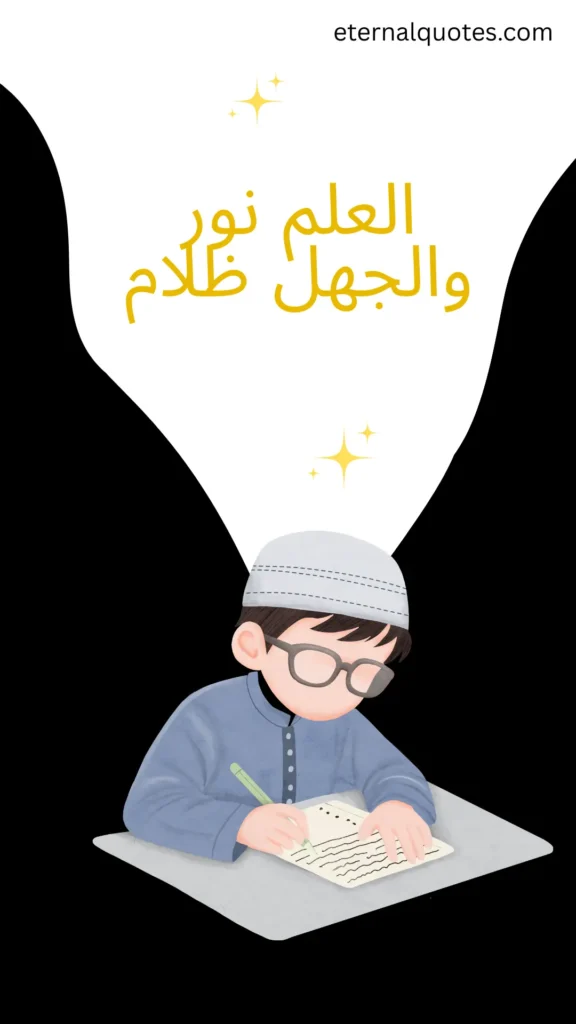
من طلب العلا سهر الليالي – He who seeks excellence stays awake at night
الحكمة ضالة المؤمن – Wisdom is the lost property of the believer
العاقل من اتعظ بغيره – The wise person learns from others
من استشار الرجال شاركها في عقولها – He who consults with people shares in their wisdom
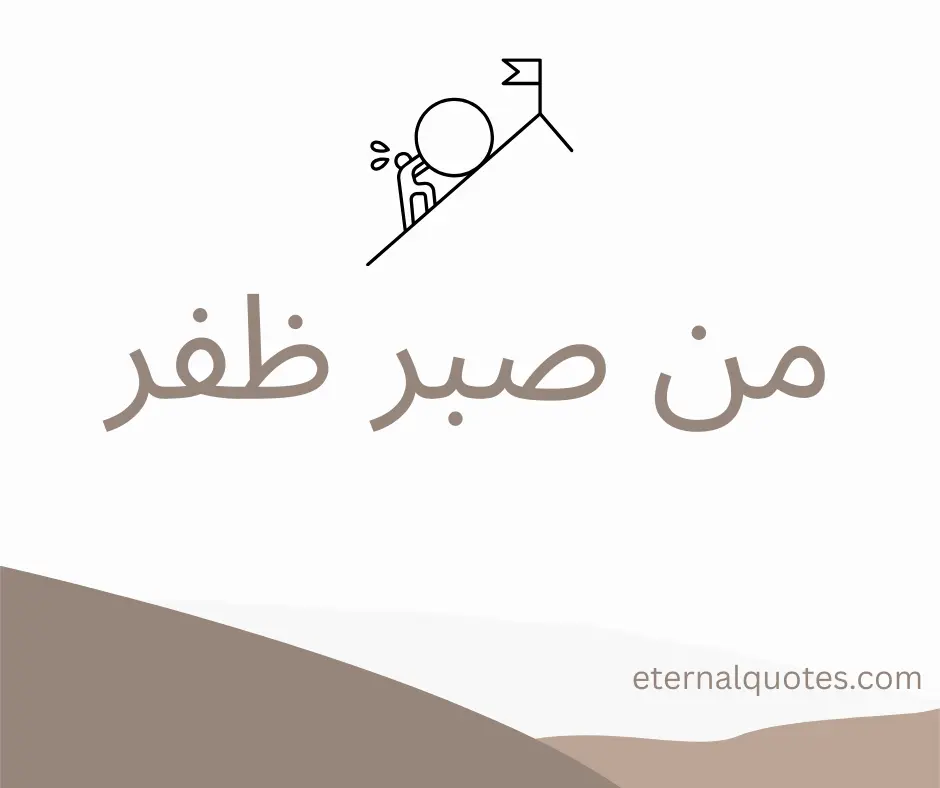
الصبر مفتاح الفرج – Patience is the key to relief
خير الكلام ما قل ودل – The best speech is what is brief and meaningful
من جد وجد ومن زرع حصد – He who strives finds, and he who sows reaps
العلم في الصغر كالنقش على الحجر – Learning in youth is like engraving on stone
لا تؤجل عمل اليوم إلى الغد – Do not postpone today’s work until tomorrow
الحكيم من وعظ الناس بفعله قبل قوله – The wise person teaches people through actions before words
K-Beauty Favorite: MISSHA BB Cream
Lightweight coverage with SPF 42, hyaluronic acid & ceramides — backed by 3,000+ reviews.
View BB CreamLove and Relationships
Love in Arabic tradition is rarely limited to romance alone. It stretches toward friendship, loyalty, kinship, longing, mercy, and the bonds that make life feel less fragile. Relationships are seen not just as emotional experiences, but as places where people are tested, softened, and known. Affection carries responsibility as much as feeling.
There is a strong awareness that closeness is built through presence, memory, and mutual care. Real connection is not always grand or dramatic. Often it is found in constancy, forgiveness, and the quiet ways people remain with one another through difficulty. That kind of love leaves a deeper mark than words alone ever could.
قلبي معك حيث كنت – My heart is with you wherever you are
الحب لا يعرف المستحيل – Love knows no impossibility
من أحب شيئاً أكثر من ذكره – He who loves something mentions it often
الصديق وقت الضيق – A friend in need is a friend indeed
المحبة لا تطلب شيئاً في المقابل – Love asks for nothing in return
القلوب تتآلف والأرواح تتشابه – Hearts harmonize and souls resemble each other
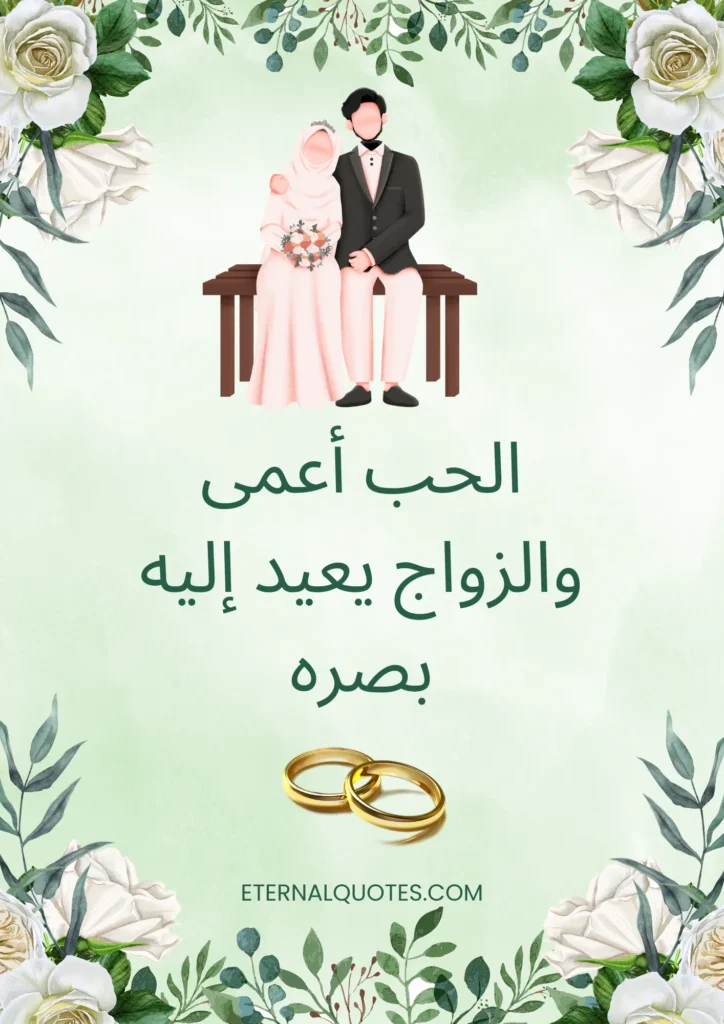
الحب الحقيقي لا يخاف من البعد – True love does not fear distance
من أحبك أعذرك ومن أبغضك اتهمك – He who loves you excuses you, and he who hates you accuses you
الحب يجعل الصعب سهلاً – Love makes the difficult easy
صديق واحد خير من ألف معارف – One friend is better than a thousand acquaintances
Perseverance and Strength
Strength is often misunderstood as hardness, but many older traditions speak of it in a more human way. It is not only the ability to endure pressure. It is also the ability to keep one’s balance, remain faithful to what matters, and continue without losing dignity. Perseverance is less about force than about staying rooted.
In Arabic thought, patience and will are closely linked. A person proves depth not by never struggling, but by not collapsing into every struggle. Hardship can narrow someone or deepen them, and that difference often comes from what they choose to carry inwardly. Endurance becomes meaningful when it is guided by purpose rather than pride.
النجاح يحتاج إلى صبر وعمل – Success requires patience and work
الريح لا تحرك الجبال – Wind does not move mountains
من لم يصبر على كلمة سمع كلمات – He who cannot bear one word will hear many words
الصبر صبران: صبر على ما تكره وصبر عما تحب – Patience is of two kinds: patience with what you dislike and patience without what you love
القوة الحقيقية هي قوة الإرادة – True strength is the strength of will
الشجاع من يواجه الحقيقة – The brave person is one who faces the truth
الجبال من الحصى والبحار من القطر – Mountains are made of pebbles and seas from drops
من يزرع الخير لا يحصد إلا الخير – He who plants good reaps only good
الصعاب تصنع الرجال – Difficulties make men
العزيمة تصنع المعجزات – Determination creates miracles
Life and Experience
Life is rarely approached in Arabic writing as something neat or fully manageable. It is understood as movement, loss, return, surprise, weariness, tenderness, and change. People grow not only through what they choose, but through what time places in their path. Experience becomes a teacher whether one invites it or not.
That is why so much reflection in this tradition feels seasoned rather than abstract. It speaks with the awareness that joy and sorrow often sit close together. Memory matters, but so does the present moment and the way a person inhabits it. To live well is not to control everything, but to carry what comes with some measure of understanding.
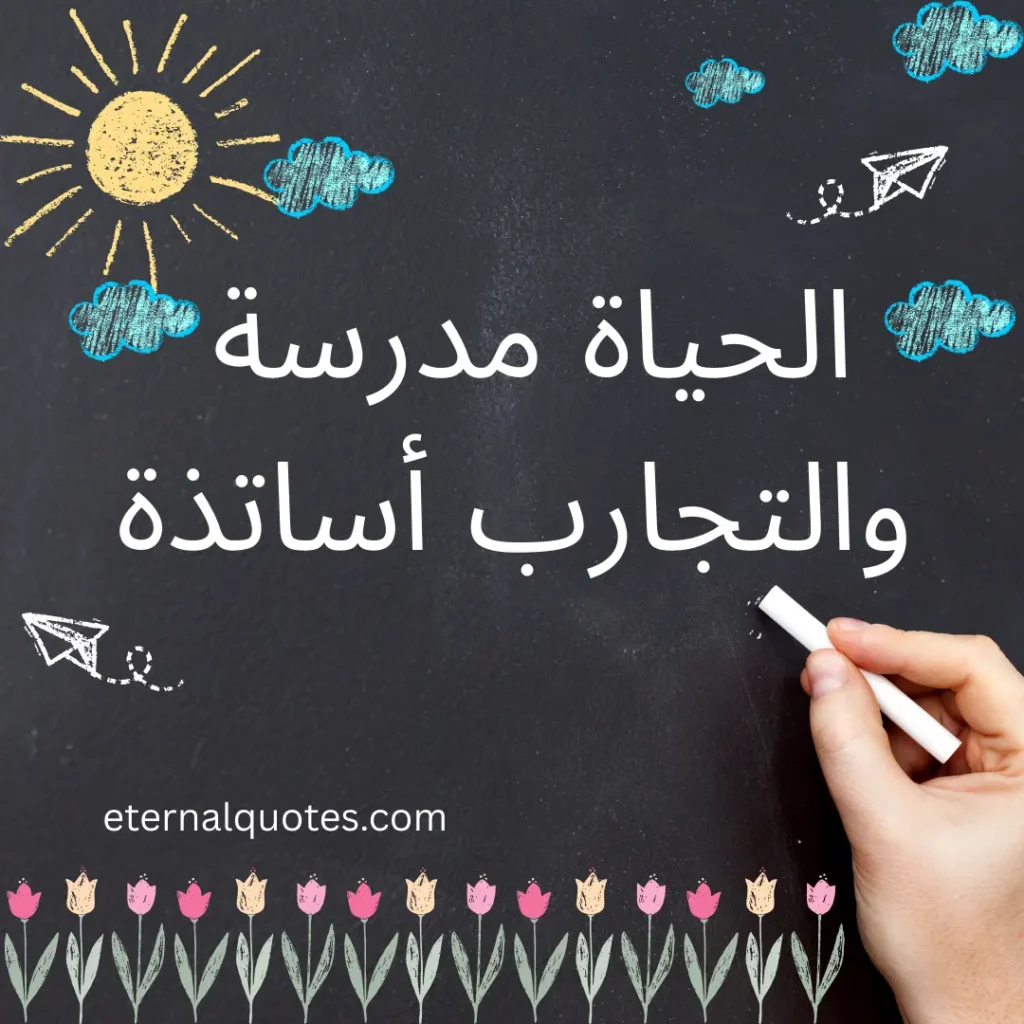
كل يوم نتعلم شيئاً جديداً – Every day we learn something new
الحياة قصيرة فلا تقصرها بالهموم – Life is short, so do not shorten it with worries
من عاش بالأمل مات بالخيبة – He who lived by hope died by disappointment
الدنيا دار ممر وليست دار مقر – This world is a place of passage, not a place of settlement
اليوم ملكك والأمس بعيد عنك – Today belongs to you and yesterday is distant from you
الحياة أمل فمن فقد الأمل فقد الحياة – Life is hope, so whoever loses hope loses life
العمر يمضي والذكريات تبقى – Age passes and memories remain
كل إنسان يحمل في داخله قصة – Every person carries a story within
الماضي عبرة والحاضر خبرة والمستقبل أمل – The past is a lesson, the present is experience, and the future is hope
الحياة فرصة واحدة فلا تضيعها – Life is one opportunity, so do not waste it
Success and Achievement
Success is often spoken about as though it were a finish line, but most lived experience says otherwise. It is usually a long conversation between effort, delay, discipline, and inner steadiness. In many Arabic sayings, achievement is not admired simply because it is visible. It is respected because of what it demanded behind the scenes.
Ambition, when held well, is less about vanity than direction. It gives shape to effort and keeps a person from drifting too easily into passivity. At the same time, achievement without substance can feel hollow. What matters is not only reaching something, but becoming someone capable of carrying it with honesty and balance.
من طمح وصل ومن قنع نزل – He who aspires reaches, and he who is content descends
العمل الجاد يفتح كل الأبواب – Hard work opens all doors
الفشل بداية النجاح – Failure is the beginning of success
كل عظيم كان يوماً مبتدئ – Every great person was once a beginner
النجاح لا يحتاج إلى أعذار – Success needs no excuses
الطموح سلم النجاح – Ambition is the ladder of success
من سار على الدرب وصل – He who walks the path arrives
الثقة بالنفس نصف النجاح – Self-confidence is half of success
المثابرة أم النجاح – Perseverance is the mother of success
النجاح قرار وليس حظ – Success is a decision, not luck
Character and Morality
Character sits at the center of how a person is remembered. Skill may impress people for a while, and status may draw attention, but moral weight shows itself over time. In Arabic ethical thought, conduct is not an accessory to life. It is one of the main measures of a person’s worth.
Virtue is often described in practical rather than abstract terms – truthfulness, humility, justice, patience, trust, and honorable work. These are not lofty ideas meant only for admiration. They are habits that shape how someone speaks, decides, gives, and restrains themselves. A good life is not built only on what a person gains, but on what kind of person they become while gaining it.
الأخلاق أولاً والعلم ثانياً – Character first, knowledge second
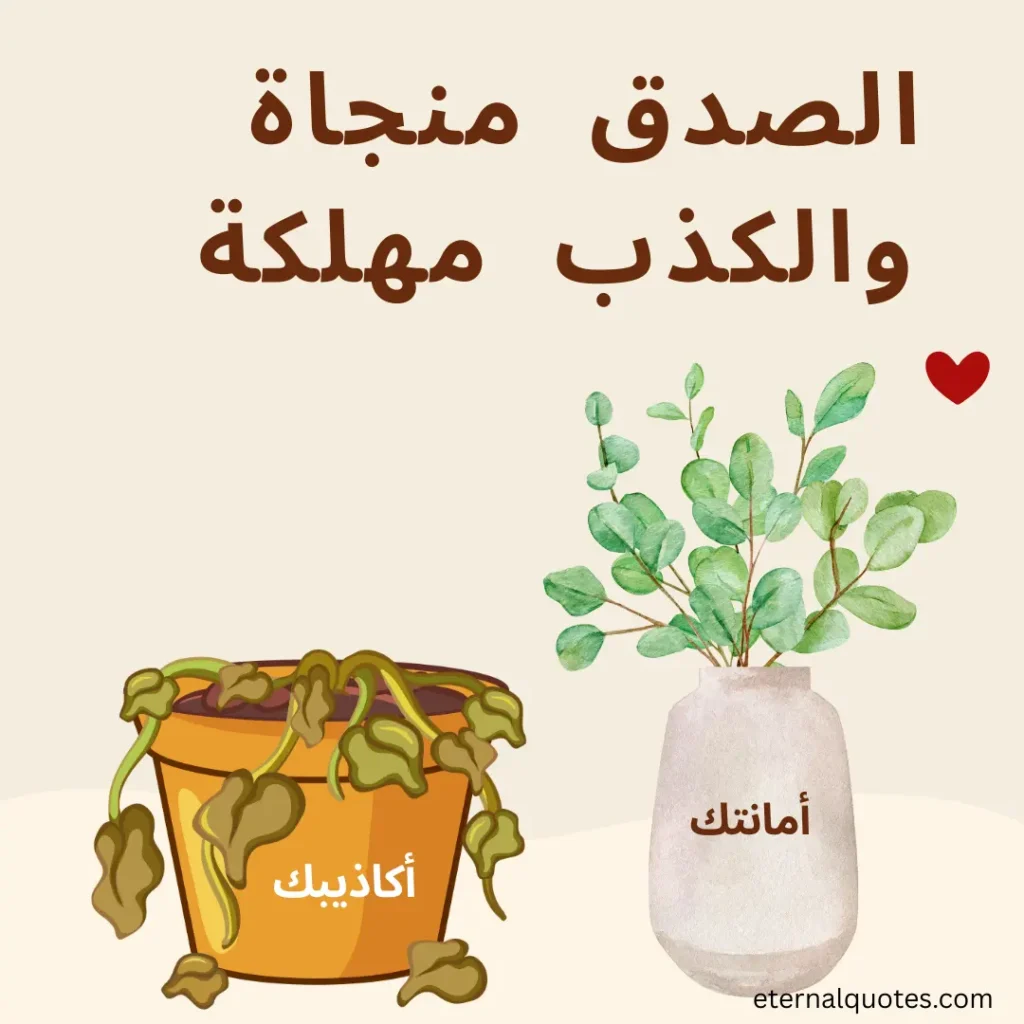
من صدق نجا ومن كذب هلك – He who is truthful is saved, and he who lies perishes
الكرم من الطبع والبخل من الطمع – Generosity comes from nature and miserliness from greed
العدل أساس الملك – Justice is the foundation of rulership
الصبر من الإيمان بمنزلة الرأس من الجسد – Patience is to faith as the head is to the body
من تواضع لله رفعه – He who humbles himself before God is elevated by Him
الأمانة تاج على رؤوس الأحرار – Honesty is a crown on the heads of the free
الشرف في العمل وليس في المال – Honor is in work, not in money
من كان صادقاً نجا – He who was truthful was saved
الخلق الحسن يذيب الخطايا – Good character melts away sins
Happiness and Peace
Peace is often imagined as the absence of disturbance, but in many traditions it is something steadier and deeper than that. It has more to do with the state of the heart than with perfect conditions. A person may still face loss, pressure, or uncertainty and yet carry a kind of inward quiet. That quiet changes how life is received.
Happiness, too, is often treated with a certain modesty. It is not always found in excess or excitement, but in contentment, ease of spirit, and the ability to be present without constant hunger for more. Simplicity has a dignity of its own. Sometimes the calmest life contains the richest form of joy.
الراحة في القناعة – Comfort lies in contentment
السعادة تأتي من الداخل – Happiness comes from within
من قنع بالقليل عاش بسلام – He who is content with little lives in peace
الفرح يضاعف السعادة – Joy multiplies happiness
البسمة مفتاح القلوب – A smile is the key to hearts
السلام النفسي أغلى من كل شيء – Inner peace is more precious than everything
الهدوء قوة والغضب ضعف – Calmness is strength and anger is weakness
من وجد السلام في قلبه وجده في كل مكان – He who finds peace in his heart finds it everywhere
الضحك دواء الروح – Laughter is medicine for the soul
البساطة سر السعادة – Simplicity is the secret of happiness
Time and Opportunity
Time is one of the few things every person receives and loses at once. Because of that, it often appears in Arabic reflection with a tone of seriousness and tenderness together. It is not only a measure of passing hours. It is the field in which regret, effort, healing, memory, and change all take shape.
Opportunity belongs to time because so much depends on when a person acts, delays, notices, or turns away. Some moments return in altered form, while others close quietly and do not come back. That awareness creates a strong respect for the present. To value time is, in many ways, to value life before it slips into abstraction.
الوقت أثمن من الذهب – Time is more precious than gold
الفرصة تأتي مرة واحدة – Opportunity comes only once
من ضيع الوقت ضاع منه – He who wastes time is lost by it
اليوم خير من غد – Today is better than tomorrow
الماضي مات والمستقبل لم يولد بعد – The past is dead and the future is not yet born
العمر لحظات فلا تضيعها – Life is moments, so do not waste them
كل دقيقة تمر لا تعود – Every minute that passes does not return
الوقت يداوي الجراح – Time heals wounds
من اغتنم الفرصة فاز – He who seizes the opportunity wins
الزمن يكشف الحقائق – Time reveals truths
Hope and Faith
Hope and faith often travel together because both ask a person to trust beyond what can be immediately seen. One leans toward tomorrow, and the other steadies the heart in the present. Neither removes hardship. What they offer is a way of carrying hardship without surrendering completely to fear, bitterness, or despair.
In Arabic spiritual language, this trust is rarely shallow optimism. It is often shaped by endurance, prayer, waiting, and the repeated experience that darkness does not remain forever. Relief may not arrive in the form expected, but the soul is taught to keep space open for mercy. That openness can become its own kind of strength.
بعد الليل يأتي النهار – After night comes day
الإيمان يحرك الجبال – Faith moves mountains
لا تيأس فالفرج قريب – Do not despair, for relief is near
الأمل يصنع المعجزات – Hope creates miracles
من آمن بالله اطمأن قلبه – He who believes in God finds peace in his heart
الدعاء مفتاح السماء – Prayer is the key to heaven
مع العسر يسر – With hardship comes ease
الله مع الصابرين – God is with the patient
التفاؤل طريق النجاح – Optimism is the path to success
الأمل نور في ظلمة اليأس – Hope is light in the darkness of despair
Family and Heritage
Family carries more than affection. It carries language, habit, memory, obligation, protection, and the first sense many people have of belonging in the world. In Arabic culture, the home is often understood as a moral space as much as an emotional one. It is where values are lived before they are ever fully explained.
Heritage gives people a place to stand, even when life moves them far from where they began. It is present in names, gestures, stories, food, prayers, and the ways older generations remain alive through what they passed down. Remembering where one comes from is not only an act of nostalgia. It is often a way of holding onto continuity in a world that changes quickly.
البيت بلا أم كالجسد بلا روح – A home without a mother is like a body without a soul
الأب مدرسة والأم جامعة – The father is a school and the mother is a university
الأسرة هي الوطن الصغير – The family is the small homeland
من بر والديه بره أولاده – He who honors his parents will be honored by his children
الأخوة كنز لا يفنى – Brotherhood is a treasure that never perishes
البيت السعيد جنة الدنيا – A happy home is the paradise of this world
الحب يبدأ من البيت – Love begins at home
العائلة شجرة والأفراد أوراقها – The family is a tree and individuals are its leaves
الذكريات الجميلة كنوز العائلة – Beautiful memories are the family’s treasures
من نسي أصله ضاع مستقبله – He who forgets his origins loses his future
What Endures in the Language
What lasts in a language is rarely only its vocabulary. What endures is the way it teaches people to notice, to remember, and to speak about life with some measure of care. Arabic has remained powerful not simply because it is old, but because it still carries emotional and moral precision. It continues to offer words for things people have not stopped feeling.
Part of that endurance comes from its closeness to lived experience. It does not stay locked inside formal writing or distant scholarship. It moves through homes, prayers, conversations, songs, stories, and inherited phrases that surface at exactly the right moment. That movement keeps the language human and rooted.
There is also something deeply reassuring about a tradition that has spoken for so long about love, loss, duty, longing, hope, and time. It reminds people that their private struggles are not as isolated as they sometimes seem. Others have stood in similar places and searched for language that could hold what they felt. The continuity itself offers comfort.
Arabic expression often leaves room for complexity without becoming confused. It knows that life can be beautiful and painful at once, and that wisdom often grows out of that tension rather than in spite of it. This honesty gives the language a kind of steadiness. It does not need to exaggerate in order to be moving.
To return to such language is to return to a way of seeing. It invites patience with meaning and respect for words that have been tested over time. Some lines feel immediate, while others seem to unfold slowly over the years. Both kinds have value because both reflect how people actually come to understand their lives.
In the end, what remains most striking is the balance Arabic so often holds between beauty and truth. The phrases may be graceful, but they do not drift away from reality. They stay close to the heart of what people endure, seek, regret, and love. That closeness is what gives them their lasting life.